

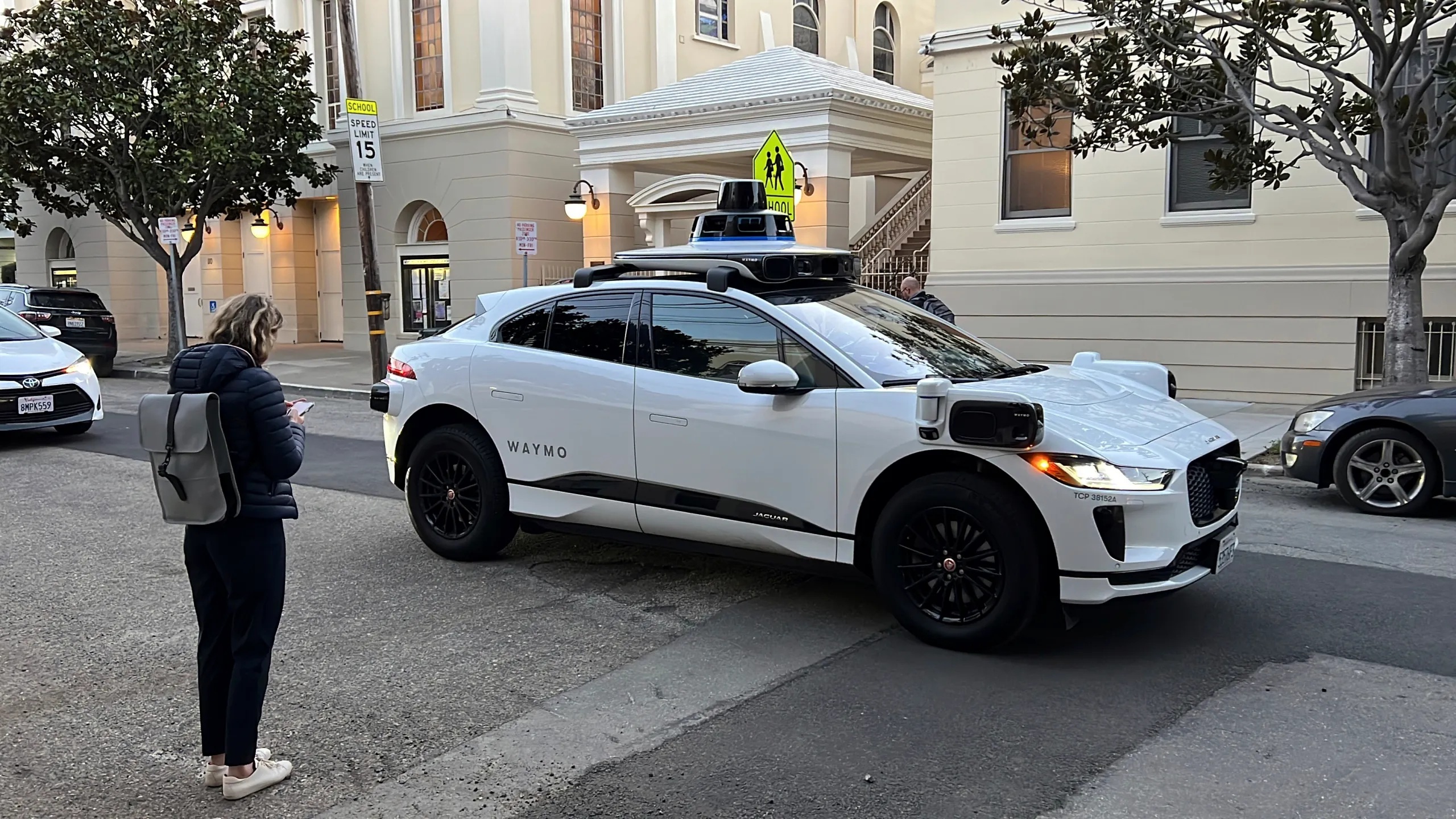
Alphabet’s Waymo has suspended its robotaxi operations on freeways across the United States after California regulators barred its driverless vehicles from using highways in the state, creating a fresh obstacle for the company’s expansion plans.
The decision follows a series of incidents in which Waymo robotaxis entered active construction zones, prompting the California Department of Motor Vehicles to conclude that the vehicles posed an immediate safety risk. The restriction took effect last week, but the regulator publicly detailed its decision on Tuesday.
“The Department determined that Waymo’s driverless freeway operations pose an imminent hazard to public safety,” the California DMV said.
Register for the next Tekedia Mini-MBA.
Register for Tekedia AI in Business Masterclass.
Join Tekedia Capital Syndicate and co-invest in great global startups.
Waymo said it had temporarily halted freeway operations in its other markets while reviewing vehicle performance. Its robotaxis will continue serving passengers on ordinary streets, the company said, as it works with regulators to restore highway access.
The suspension extends the consequences of California’s decision beyond the state, signalling that Waymo is treating the construction-zone incidents as a broader operational issue rather than a regulatory dispute confined to one market.
The California restriction will remain in place until the company demonstrates that it has taken “effective corrective actions to address the deficiencies,” the DMV said.

Waymo said it was “working with the California DMV and other state officials diligently and responsibly to resume freeway operations.”
The incidents place renewed attention on one of the more difficult operating conditions for autonomous vehicles: navigating temporary changes to roads and traffic patterns.
Construction zones can require vehicles to interpret temporary signs, altered lane markings, barriers, and instructions from road workers. These conditions differ from the more predictable layouts that autonomous driving systems encounter during routine journeys. A vehicle that performs reliably on familiar streets must also respond correctly when road layouts change unexpectedly.

The DMV’s decision indicates that California regulators consider Waymo’s handling of these situations serious enough to warrant a suspension of freeway operations. The company must now prove that its corrective measures address the identified safety deficiencies before it can resume those services in the state.
This creates a regulatory hurdle for Waymo at a time when autonomous vehicle operators are trying to establish that driverless systems can operate safely across a wider range of road conditions.
Waymo has previously suspended freeway rides to assess and improve performance around certain construction zones. The latest action suggests that the challenge has not been fully resolved to the satisfaction of regulators.
The company operates in 15 US cities, although freeway rides were available in only a few markets, including San Francisco and Los Angeles. The nationwide suspension therefore does not mean Waymo has shut down its robotaxi service. Its street-level operations remain active.
However, freeway access is important to the commercial appeal of autonomous ride-hailing. Highways can shorten journeys between distant neighborhoods and make longer trips more practical. Restrictions on those routes could limit the range and convenience of services in markets where passengers have come to expect driverless transportation beyond city streets.
Waymo has spent years building its robotaxi business through a gradual expansion across US cities. It is now seeking to accelerate that growth domestically and internationally as competitors attempt to establish their own positions in the market.
Tesla and Amazon-owned Zoox are among the companies making inroads into autonomous ride-hailing. The competitive pressure is pushing operators to expand their services, improve vehicle performance and demonstrate that their technology can support commercially viable transportation networks.
For Waymo, the California restriction introduces a complication at a sensitive stage of that expansion. A prolonged suspension could constrain the routes available to passengers and require additional engineering work, testing and regulatory engagement before freeway services return.
However, the immediate commercial impact is expected to be determined by how long the restrictions remain in place and how much freeway travel contributes to demand in affected cities. The company has not said how long its broader review will take.
The regulatory process also comes with implications for the wider robotaxi industry. Autonomous vehicle companies need more than permission to deploy vehicles on public roads. They must show that their systems can respond safely to unpredictable conditions, including roadworks and temporary traffic changes.
California’s decision raises the bar for Waymo’s freeway operations. The company must now demonstrate that its vehicles can handle those conditions to the regulator’s satisfaction before restoring access to one of the most important parts of its service network.