

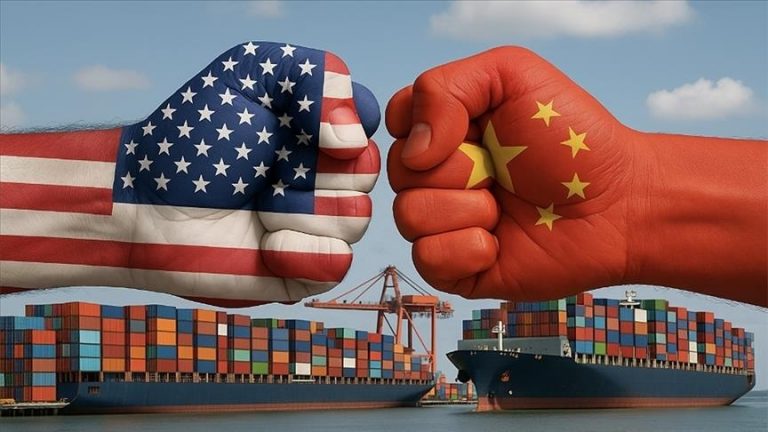
The White House has alleged that China was responsible for what it describes as the largest election-related data compromise in modern history.
A cyber campaign that reportedly spanned several years and targeted information linked to U.S. elections since the 2020 election cycle. The claims have reignited concerns about foreign interference, cybersecurity vulnerabilities, and the growing role of digital espionage in geopolitical competition.
According to U.S. officials, the alleged operation involved the unauthorized access and collection of sensitive election-related data, potentially affecting political organizations, government entities, and infrastructure connected to election administration.
While authorities have emphasized that there is currently no evidence that voting systems themselves were altered or that election outcomes were directly manipulated, the scale of the reported data compromise has raised serious questions about national security and democratic resilience.
Register for the next Tekedia Mini-MBA.
Register for Tekedia AI in Business Masterclass.
Join Tekedia Capital Syndicate and co-invest in great global startups.
Cybersecurity has become one of the defining challenges of modern governance. Elections, once primarily safeguarded through physical means, are now deeply intertwined with digital infrastructure.
Voter databases, campaign communications, polling information, and election logistics all rely heavily on interconnected networks that can become targets for sophisticated cyber actors.
The White House’s allegations come amid increasingly tense relations between Washington and Beijing. Over the past several years, the United States has repeatedly accused China of conducting cyber espionage campaigns aimed at government institutions, corporations, research organizations, and critical infrastructure.

China, however, has consistently denied such accusations, often asserting that it too has been a victim of cyberattacks and opposing what it describes as the politicization of cybersecurity issues.
If the allegations are substantiated, the implications could be significant. Beyond immediate concerns about data security, the incident highlights how foreign powers may seek to gain strategic advantages through information gathering.
Access to election-related data can provide valuable intelligence regarding political dynamics, voter behavior, campaign strategies, and potential vulnerabilities within democratic systems.
The incident also underscores the broader evolution of geopolitical competition.

Cyber operations have increasingly become a preferred tool of statecraft because they can deliver strategic benefits while avoiding the direct military confrontation associated with conventional warfare. Espionage, disinformation campaigns, and infrastructure infiltration now represent major components of international competition among major powers.
The reported compromise may further intensify calls for stronger cybersecurity measures and greater protection of election infrastructure. Policymakers have already invested billions of dollars into securing critical systems since concerns about foreign election interference emerged prominently during the 2016 election cycle.
The latest allegations suggest that significant vulnerabilities may still exist. Experts argue that defending democratic institutions in the digital age requires a multi-layered approach.
This includes strengthening cyber defenses, improving information sharing between federal and state authorities, enhancing public-private partnerships, and increasing international cooperation on cyber norms and accountability.
Election security is no longer solely a domestic issue but has become an integral component of national security strategy. The allegations may also contribute to further diplomatic tensions between the United States and China.
Relations between the two countries are already strained over issues including trade, technology restrictions, Taiwan, and military competition in the Indo-Pacific region. Accusations of extensive cyber intrusions could add another contentious dimension to an already complex bilateral relationship.
The reported data compromise serves as a reminder that modern democracies face evolving threats that extend far beyond traditional forms of interference. Whether through cyber espionage, data theft, or information operations, the digital battlefield has become a critical arena in global power competition.
Ensuring the integrity and security of electoral systems will likely remain a central priority for governments as they seek to protect democratic institutions in an increasingly interconnected world.