

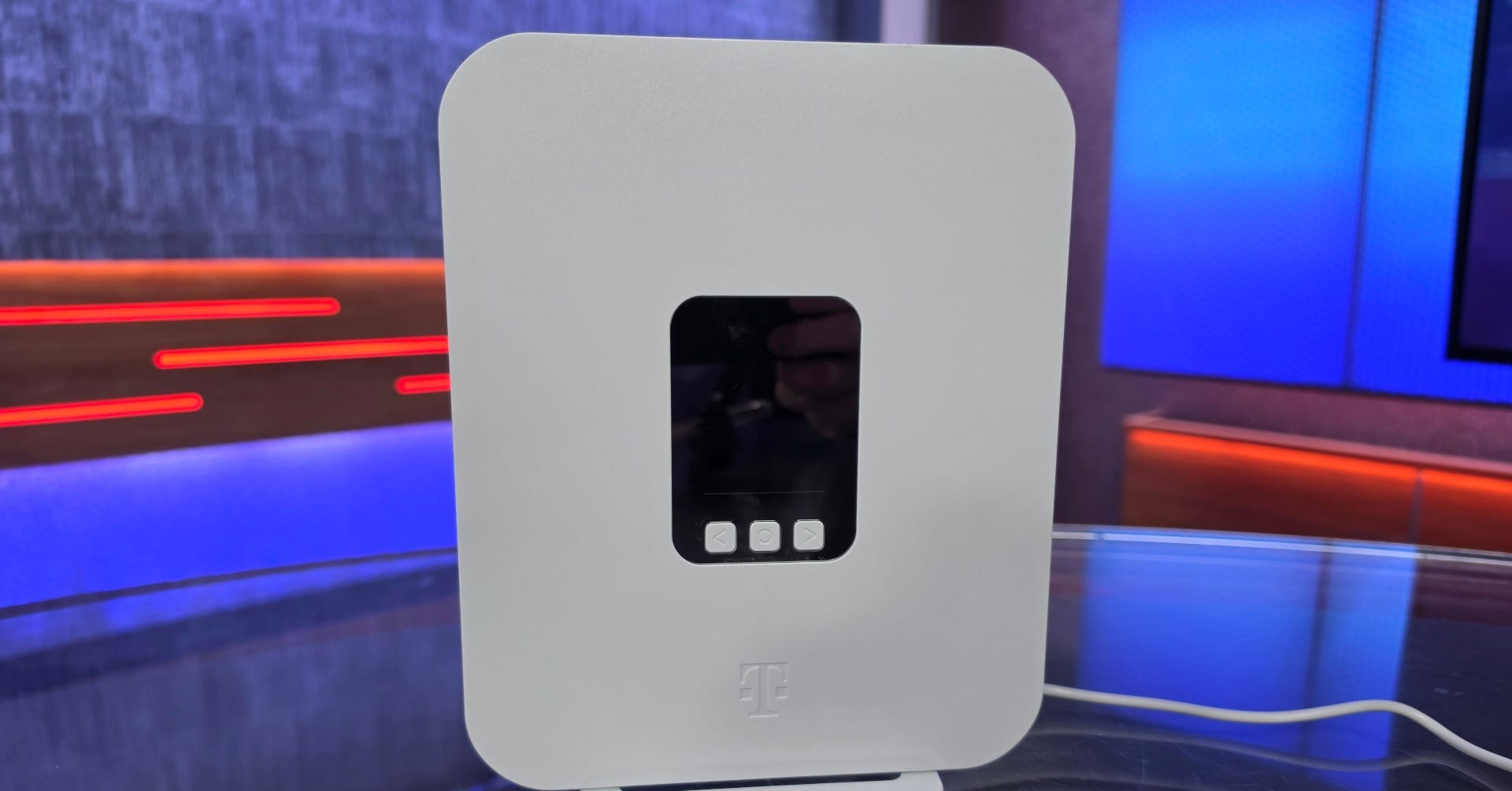
Bandwidth is the amount of data a connection is able to move at one time and it is shared among every device that is active in a household. Speed ratings are a common way for people to judge a plan but those numbers rarely explain why performance declines during busy evening hours. Management of available capacity is often the difference between a network that is dependable and one that is a source of daily frustration.
How Bandwidth Is Shared In A Household
A single connection is divided among all of the devices that request data at the same time. Phones, laptops, televisions and security cameras are all drawing from the same supply, so the experience of one user is affected by the behavior of others. Congestion is the result when total demand is greater than what the connection is able to deliver. Buffering, delayed page loads plus poor call quality are common symptoms of this condition. Peak periods in the early evening are when this competition is most apparent, because household members are frequently home and online at the same time. Understanding that capacity is a shared resource is the first step toward managing it, because the solution is often a matter of distribution rather than a matter of more speed.
Identification of High Demand Activities
Not every online task places the same load on a network. Video streaming, large file transfers, cloud backups and online gaming are activities that consume significant capacity, while messaging and email require very little. High-resolution video is one of the largest single demands on a home internet connection and a household with several screens in use is able to reach its limit quickly. Reviewing which activities happen most often is a useful way to see where capacity is actually going. Households are better able to make adjustments when the heaviest users of the network are known rather than assumed.
Prioritization of Essential Tasks
Some tasks are more important than others at any given moment. A video meeting for work or a virtual class is a higher priority than an update that is downloading in another room. Many modern routers include quality of service settings that allow certain devices or applications to receive capacity first. Configuring these settings is a practical way to protect the activities that matter most. Prioritization does not create additional bandwidth but it does ensure that limited capacity is directed toward the tasks that are least tolerant of interruption.
Scheduling of Updates & Large Downloads
Software updates, game installations and cloud backups are often large enough to affect an entire network while they run. These processes are rarely urgent, which makes them good candidates for scheduling. Most devices and platforms allow updates to be set for overnight hours or other periods of low activity. Moving heavy transfers to quiet times is a simple adjustment that removes a common source of daytime slowdowns. Households that plan around these tasks are less likely to experience unexplained drops in performance during working hours.
Reduction of Background Activity
A great deal of network traffic occurs without any direct action from a user. Applications that sync automatically, browser tabs left open on video pages and devices that check for updates constantly are all consuming capacity in the background. Closing unused applications and disabling automatic sync on nonessential accounts are ways to recover bandwidth that is otherwise spent on nothing of value. Reviewing background settings occasionally is a low effort habit with a noticeable effect, particularly on connections that are already close to their limit.
Control of Connected Devices
The number of devices in a typical household has increased steadily and each addition places further demand on the network. Older phones, tablets and smart accessories are often still connected even when nobody is using them. Removing inactive devices from the network is a straightforward way to reduce unnecessary traffic. Guest access is also worth a review from time to time so that old credentials are not left available. Wired connections are worth consideration for stationary equipment such as desktop computers, televisions or game consoles, because a cable removes that device from competition for wireless capacity and improves stability for everything else.
Matching Capacity to Household Needs
Adjustments are effective only to the point where a plan is capable of supporting the household that relies on it. A large family with several remote workers has requirements that are very different from those of a single occupant. Plans available through internet providers are built around different levels of capacity, so an accurate picture of household usage is valuable before any decision is made. Counting active devices and noting peak usage periods are steps that make a comparison meaningful. Capacity that matches actual demand is the foundation that all other management efforts are built upon.
Conclusion
Bandwidth is a shared and finite resource in every connected home. Prioritization, scheduling and control of unnecessary traffic are methods that improve performance without additional cost. Households are better served when capacity is managed deliberately and matched to the demands that are placed on it each day.