

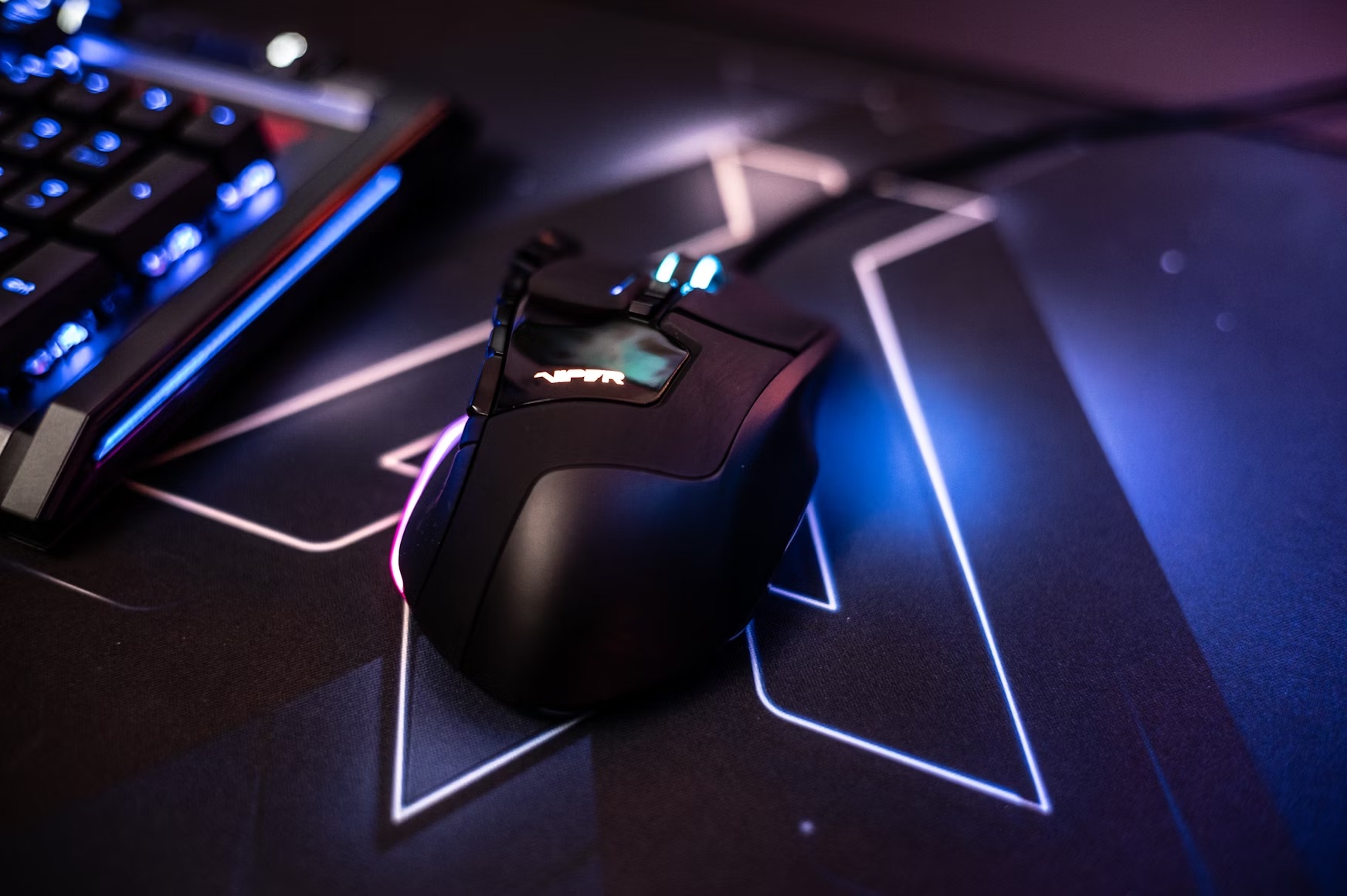
When esports were first emerging into the gaming industry, it was demonstrated with large desktop computers, intricate gaming chairs, and a colorful array of gaming equipment. It was all about purchasing expensive hardware and obtaining the fastest internet connection.
However, in the past five years, that storyline has begun to change dramatically. The new face of esports is no longer behind a desktop: it fits in your pocket.
Accessibility is an engine of change here, as the increasing affordability of smartphones, along with internet coverage available in developing countries, provides a more inclusive and democratic nature of mobile esports. And additional markets mean additional sources of revenue for the industry, which allows these new developments to get more financial backing as well.
In places where gaming PCs remain a luxury item, smartphones even the playing field when it comes to competition. Even the traditional gaming companies have taken notice. Riot Games recently launched League of Legends: Wild Rift as a mobile version of its successful PC game, acknowledging that the next billion players will most likely be mobile first.
Fascinatingly, this transition is similar to what we are seeing in other digital industries. For example, the casino industry. When gaming shifted from physical casino floors to real money casinos in mobile apps, it changed the accessibility in the same way. A property that was once location-dependent could suddenly be accessed by anyone who had a phone, ultimately creating additional audiences and revenue streams. Similar logic applies to mobile esports. The less dependent an activity is on hardware, the more quickly it can grow on a global scale.
Business Models and the Sponsorship Gold Rush
The explosion of mobile esports isn’t just technological as it is economic. Brands and investors are realizing the engagement potential of mobile tournaments is considerable, especially with the younger demographic. Telecom operators, mobile device makers, and energy drink companies are now some of the biggest sponsors in mobile gaming events. Traditional esports have sponsors primarily from PC and hardware companies, while mobile esports have attracted sponsors from lifestyle brands, fintech products, and even local government agencies that want to promote digital inclusion.
The business models supporting these games are equally complex. Developers utilize entry points that are free-to-play and primarily generate revenue through in-game purchases, cosmetic items, and battle passes. The concept isn’t new, but mobile esports scale the same approach through the sheer number of players involved. The more players offer themselves as a competitor, the more chances players offer to spend money toward a better experience, whether through skins, upgrades, or passes for events.
A perfect example is the Tencent game PUBG Mobile. It generated upwards of $2 billion in revenue through microtransactions in 2023 alone. Tournaments are financed through corporate sponsorships and through in-game promotional events that relate back to gameplay. The community, entertainment, competition, and monetization loops into one scheme that serves as a self-sustaining cycle that continues to feed itself.
The other appealing aspect of mobile tournaments for organizers is scalability. Most tournaments can take place online with very little logistics, in contrast to traditional esports ‘in-person’ tournaments, which often have large costs related to having to pay for transportation (players and staff), expensive equipment, and hospitality and venue logistics. Therefore, there is a growing number of tournaments that can occur more frequently and in certain regions.
A Global and Scalable Future
One aspect that makes mobile esports scalable is the flexibility of its ecosystem. It can function in low bandwidth, with dated hardware, and be relevant in numerous economic climates and still maintain a level of quality. The games themselves have been designed specifically for lower-end devices which helps to make them more accessible and interesting. As companies begin to roll out 5G networks and cloud gaming, the accessibility will only improve further, with reduced latency and a better competitive experience.
At the same time, mobile gaming fits perfectly the modern phenomenon of being instantly connected. Any tournament moment can not only be shared rapidly, but actually forms individual brands and audiences. The influencer phenomenon that has naturally grown from esports has possibly raised and solidified a marketing ecosystem that has blurred the line between professional players and content creators.
This symbiosis pulls viewership and engagement, something which is important to get advertisers and investors. Mobile esports is in many respects not the future, but the present: accessible, scalable, and culturally-transferable mobile platforms are the most powerful engine of global gaming growth.