

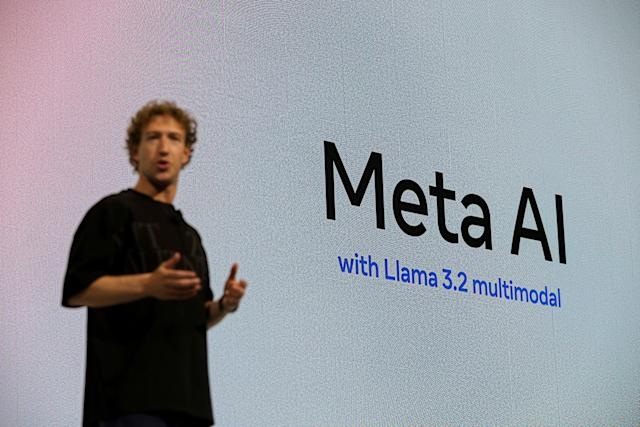
Meta Chief Executive Officer Mark Zuckerberg has acknowledged that the social media giant has made mistakes in its sweeping artificial intelligence-driven restructuring, offering a rare admission of the challenges facing one of the world’s biggest technology companies as it attempts to remake itself around AI.
In an internal memo seen by Reuters, Zuckerberg told employees that Meta’s aggressive push into AI has not been without setbacks, even as the company pours hundreds of billions of dollars into the technology and reorganizes large sections of its workforce to support the effort.
“Given the complexity of these changes, we’ve made mistakes and will almost certainly make more,” Zuckerberg said.
Register for the next Tekedia Mini-MBA.
Register for Tekedia AI in Business Masterclass.
Join Tekedia Capital Syndicate and co-invest in great global startups.
The comments provide a glimpse into the growing turbulence inside major technology firms as executives race to integrate AI into virtually every aspect of their businesses. While companies have promoted AI as a driver of productivity and future growth, the transition has also triggered significant organizational disruption, workforce reshuffling, and mounting questions about how employees fit into automated workplaces.
Meta has emerged as one of the most aggressive spenders in the AI arms race. The company raised its 2026 capital expenditure forecast earlier this year to between $125 billion and $145 billion, placing it among the largest corporate investors in AI infrastructure globally. The spending is directed toward massive data center projects, advanced chips, AI research, and the development of sophisticated models designed to compete with rivals such as OpenAI, Anthropic, and Google.
The investment surge underpins Zuckerberg’s conviction that AI will fundamentally reshape Meta’s future businesses, from content recommendations and advertising to virtual assistants and workplace productivity tools.

However, the transition has come with significant internal upheaval. In May, Meta laid off roughly 10% of its global workforce while simultaneously transferring about 7,000 employees into AI-related functions. The restructuring was one of the largest workforce reorganizations in the company’s history and signaled a shift away from traditional business units toward AI-focused operations.
Zuckerberg’s memo suggests the company is still working through the consequences of those changes.
While defending the company’s AI strategy, Zuckerberg struck a notably cautious tone regarding the pace of technological change.

“I am also focused on providing as much stability as possible,” he told employees.
At the same time, he warned that the broader environment remains unpredictable.
“I don’t want to overpromise because the world is changing in ways that are out of our control,” Zuckerberg said.
No More Layoffs Planned — For Now
One of the most significant messages in the memo was Zuckerberg’s effort to reassure employees about job security. He reiterated that Meta does not anticipate additional company-wide layoffs this year, a statement likely intended to calm nerves after months of restructuring across the technology sector.
Instead, the company plans to redeploy workers where possible.
“By creating important new roles for people, this also allowed us to shrink the size of teams knowing that if we make mistakes in some places, then we could transfer some people back,” Zuckerberg said.
Meta isn’t the only Silicon Valley company wielding this approach. Companies are increasingly seeking to retrain and reassign employees into AI-related roles rather than relying exclusively on external hiring.
However, Meta’s experience mirrors challenges facing much of the technology sector. Major companies, including Microsoft, Amazon, and Google, have undertaken extensive restructuring efforts to align their organizations with AI priorities.
The changes have fueled widespread debate about whether AI will ultimately eliminate jobs or create new categories of work. Recent comments from economists and AI executives suggest there is still little evidence of a broad white-collar employment collapse. Yet many companies are redesigning workflows around AI tools, reducing hiring in some areas while increasing investment in machine learning, automation, and data infrastructure.
Meta’s restructuring illustrates how that transformation is unfolding in practice. Rather than eliminating entire functions, the company is now attempting to shift talent toward emerging AI opportunities while reducing duplication elsewhere.
Concerns Over Management Structure
The AI push has also altered how Meta organizes teams. Reports indicated that some units, particularly the company’s Applied AI Engineering group, adopted unusually flat organizational structures with manager-to-employee ratios reaching as high as 1-to-50.
While proponents argue flatter structures can accelerate innovation and decision-making, critics have warned that excessive spans of control can overwhelm managers and reduce employee support.
Zuckerberg acknowledged those concerns in the memo, saying Meta intends to scale back some of the expanded management responsibilities that emerged during the restructuring. The move is seen as an indication that the company is attempting to strike a balance between efficiency and operational effectiveness as it expands its AI operations.
Recognizing the strain that rapid organizational changes can place on employees, Meta is also increasing spending on team-building initiatives. According to the memo, the company plans to allocate larger budgets for off-site meetings, corporate events, and collaborative activities. Meta is also preparing a large-scale hackathon in July focused on developing applications for its latest AI models.
Technology executives have a growing belief that maintaining corporate culture and cross-functional collaboration will become increasingly important as AI transforms how employees work.
Zuckerberg’s admission of mistakes comes at a time when investors have largely rewarded the company’s AI strategy, viewing it as a key driver of future growth. However, the scale of spending is unprecedented, and the pressure to demonstrate tangible returns continues to grow.
The company is effectively making one of the largest corporate wagers in modern technology history: that AI will generate enough new products, efficiencies, and revenue streams to justify hundreds of billions of dollars in investment.