

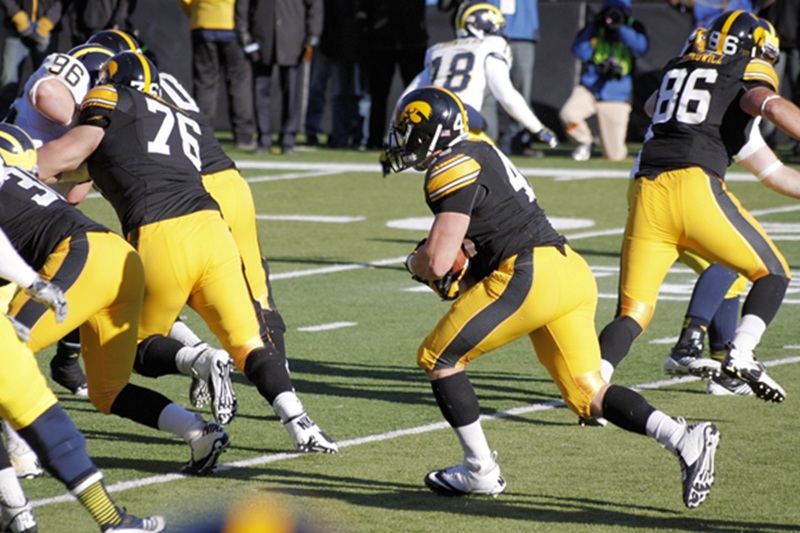
Kalshi, the CFTC-regulated prediction market platform, reported a staggering $441 million in trading volume on its NFL-related event contracts during the first four days of the 2025 NFL season from kickoff on September 4 through September 7.
This figure, shared directly by Kalshi CEO Tarek Mansour, marks the platform’s busiest period since the 2024 U.S. presidential election, which drove peaks of over $1 billion in daily volume on Election Day (November 5, 2024) and a total of around $500 million across election-related contracts in the final weeks.
However, the NFL Week 1 surge—equivalent to the intensity of a full U.S. election week in terms of user engagement and trade activity—highlights sports as a rapidly growing category for Kalshi, outpacing even the election’s non-peak days.
Register for Tekedia Mini-MBA edition 20 (June 8 – Sept 5, 2026).
Register for Tekedia AI in Business Masterclass.
Join Tekedia Capital Syndicate and co-invest in great global startups.
Register for Tekedia AI Lab.
$441 million since NFL kickoff, with nearly $200 million on Sunday alone (September 7), making it Kalshi’s second-busiest single day ever, just behind 2024 Election Day. By Thursday morning (September 4), volume had already hit $21 million across all 16 Week 1 matchups, led by the Eagles-Cowboys opener with $4 million.
$84.9 million in sports trades, the highest non-election day on record, with $59.8 million specifically on college games—setting the stage for NFL’s even larger draw. While Kalshi’s volume is impressive, it’s distinct from traditional betting “handle” (wager amounts).
Trading volume counts every buy/sell transaction, often multiplying the effective handle by 3-4x. For context, NFL Week 1 handle at major sportsbooks like DraftKings and FanDuel exceeded $2 billion collectively, but Kalshi’s model emphasizes prediction contracts (e.g., moneylines, spreads, totals, and props) available nationwide, even in non-betting states.
Why This Matches Election Levels

The 2024 election was a volume bonanza for Kalshi due to high-stakes political outcomes, with over $500 million traded in the campaign’s final stretch and apps like Kalshi topping download charts. NFL Week 1 replicated that frenzy because:
Kalshi self-certified new contracts for NFL spreads, over/unders, and touchdown props via the CFTC, broadening appeal beyond basic yes/no outcomes. Sports now rival politics as a top category, with NFL drawing institutional interest and retail traders. Partnerships like Robinhood’s integration boosted accessibility.
As a federally approved exchange, Kalshi operates in all 50 states, unlike state-licensed sportsbooks, fueling broader participation. This milestone underscores prediction markets’ shift toward sports, potentially challenging traditional betting giants.
Kalshi’s fees (around 3.5% per trade) and slightly less competitive pricing (10-25% higher effective costs vs. DraftKings/FanDuel) haven’t deterred the hype, but analysts note room for refinement. If trends hold, the full NFL season could push Kalshi’s annual volume into billions.

The NFL’s ability to drive election-level engagement shows prediction markets are expanding beyond niche political or economic events. Sports, with its recurring, high-frequency events, could become Kalshi’s primary growth driver, broadening its user base.
The surge reflects growing interest from both retail traders (drawn by NFL fandom) and institutional players (hedging or speculating on outcomes). This dual appeal strengthens Kalshi’s position as a hybrid financial-entertainment platform.
Kalshi’s federal regulation lets it operate in all 50 states, bypassing the state-by-state legal patchwork that limits sportsbooks like DraftKings or FanDuel. This could erode their market share, especially in non-betting states.
Kalshi’s event contracts (e.g., spreads, props, over/unders) offer flexibility akin to betting but framed as financial instruments, appealing to users who avoid traditional gambling due to stigma or legal concerns.
Kalshi’s ability to self-certify new NFL contracts (spreads, props) via the CFTC showcases a regulatory framework that enables rapid innovation. This could pressure regulators to further liberalize prediction markets, potentially allowing contracts on more esoteric events.
The NFL volume spike blurs lines between gambling and financial speculation, raising questions about oversight. Regulators may scrutinize whether prediction markets need stricter consumer protections or gambling-style regulations.
High trading volumes indicate fans are treating NFL outcomes like investable assets, potentially reshaping how sports are consumed. This could lead to new fan engagement models, like trading “futures” on team performance.
Prediction markets hitting election-level volumes for sports suggests betting-like behavior is becoming mainstream, potentially reducing gambling stigma but raising concerns about addiction or financial risk for retail traders.
With partnerships like Robinhood and app store dominance during the election, Kalshi is poised to scale further. NFL-driven engagement could push annual volumes into the billions, especially with playoff and Super Bowl markets.
The NFL Week 1 volume matching 2024 election levels positions Kalshi as a disruptive force in both financial and betting markets. It signals a cultural shift toward treating sports as tradable assets, challenges traditional sportsbooks, and underscores the scalability of federally regulated prediction markets.
However, Kalshi must navigate pricing, regulatory, and user experience hurdles to capitalize on this momentum. If sustained, this trend could redefine how Americans engage with sports and prediction markets, with ripple effects across finance, regulation, and technology.