The global economy is facing two strikingly different signals: growing concern over food security and extraordinary investor enthusiasm for advanced robotics.
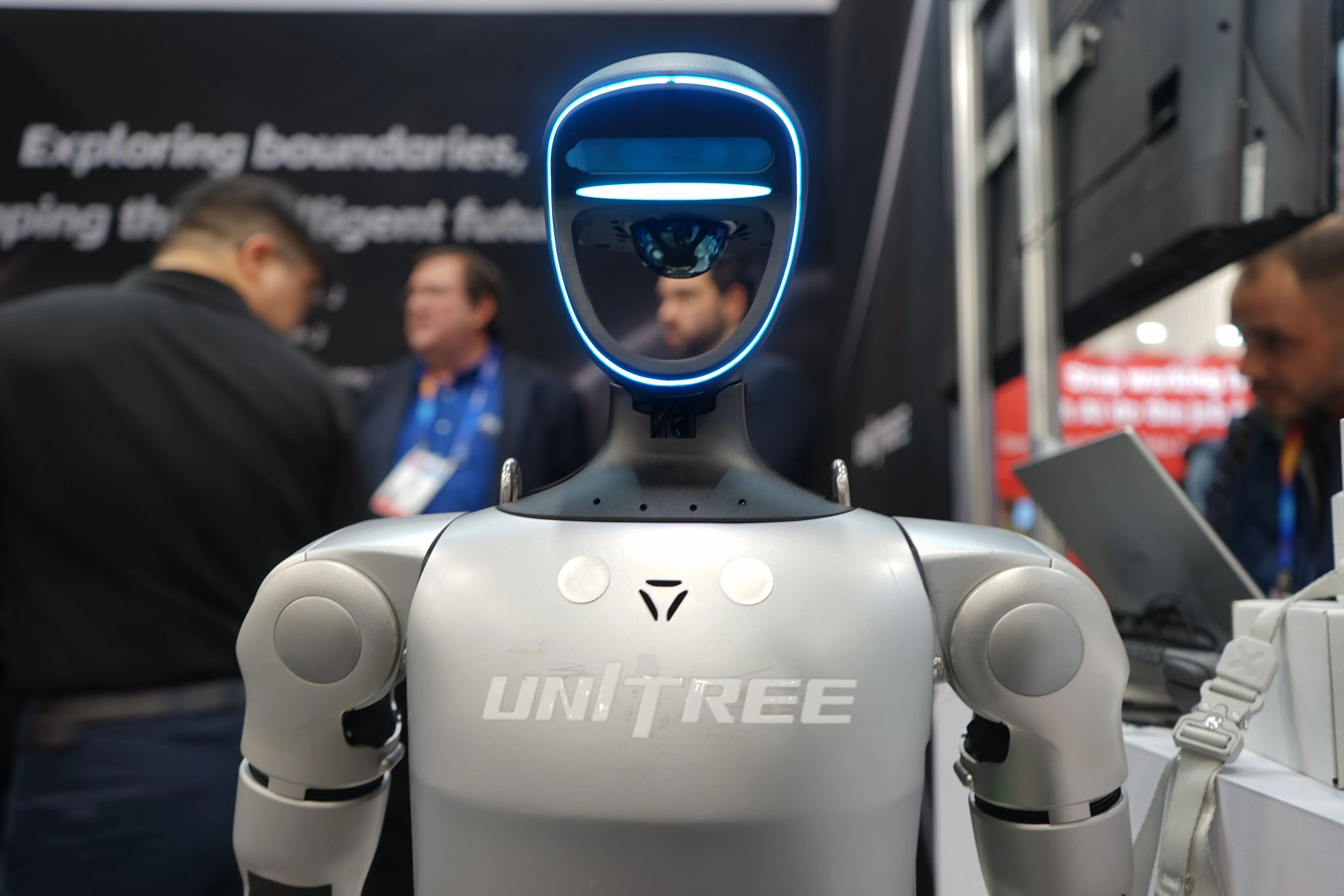
Warnings that food shortages could become a major global problem as early as next year are emerging alongside one of the most spectacular technology stock-market debuts of 2026, as Chinese humanoid robot maker Unitree Robotics surged more than 600% during its Shanghai listing.
The developments highlight the increasingly uneven character of the global economy, where essential resources face mounting pressures while capital races toward emerging technologies.
Food security remains one of the world’s most vulnerable economic issues. Rising energy costs, geopolitical conflicts, disrupted trade routes, extreme weather and expensive agricultural inputs can all affect the ability of farmers and food distributors to maintain reliable supplies.
Previous global food crises have demonstrated how quickly disruptions in fertilizer, fuel and transportation can translate into higher prices for consumers. The World Food Programme has previously warned that temporary food-access problems can evolve into broader shortages if underlying supply disruptions persist.
A potential shortage would not necessarily mean that the world suddenly runs out of food. More often, food insecurity develops through a combination of inadequate production, disrupted distribution and unaffordable prices.
Poorer countries and households are particularly exposed because they have less capacity to absorb increases in the cost of staples. For developing economies that rely heavily on imports, a global supply shock could put additional pressure on currencies, government budgets and household incomes.
Against this uncertain backdrop, the financial markets are displaying extraordinary confidence in another part of the economy: robotics. Unitree Robotics‘ debut in Shanghai demonstrated just how powerful investor demand for artificial intelligence and embodied technology has become.
The company’s shares opened at 1,100 yuan, roughly 629% above its IPO price of 150.8 yuan, before ending the first session at 845 yuan, still 460% above the offer price.
The scale of the demand was remarkable. Unitree’s IPO reportedly attracted subscriptions thousands of times greater than the shares available to retail investors, while the company raised more than $900 million.
Much of the capital is intended to support research, manufacturing expansion and artificial-intelligence development. The enthusiasm reflects expectations that humanoid robots could become a major technology market over the next decade.
Unitree has gained global attention through demonstrations of robots running, dancing and performing martial arts. Analysts cited by The Guardian estimate that the humanoid-robot market could expand dramatically from roughly $2 billion in 2025 toward $300 billion by 2035.
Yet Unitree’s explosive debut illustrates the risks of technological exuberance. A 600%-plus move in a single trading session means expectations have been priced aggressively into the company. Its valuation can rise much faster than its underlying revenues, production capacity and commercial applications.
Even Unitree’s chief executive has cautioned that major breakthroughs in robot software could still be years away. The contrast between food-security anxiety and robotics euphoria is therefore significant.
One represents the pressure facing humanity’s most basic needs; the other represents expectations surrounding a potentially transformative technology. Both stories ultimately depend on investment, infrastructure and long-term planning.
For policymakers, the food-shortage warning reinforces the importance of resilient agricultural supply chains, strategic reserves and affordable fertilizer and energy. For investors, Unitree’s debut demonstrates both the enormous appetite for AI-related opportunities and the danger of chasing spectacular price movements.
The global economy is increasingly defined by this tension: scarcity in essential goods can coexist with abundance of capital flowing into future technologies. How governments and markets manage that imbalance may shape the economic landscape of the years ahead.