

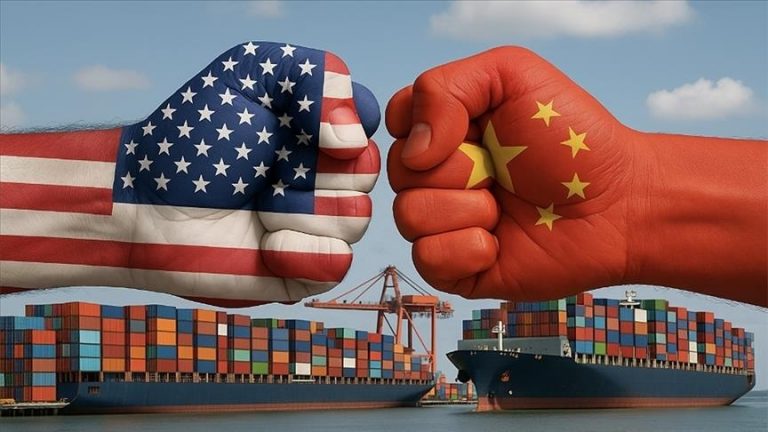
The United States and China have reached a preliminary framework agreement on trade issues, with finalization occurring today during a bilateral meeting between President Donald Trump and President Xi Jinping on the sidelines of the Asia-Pacific Economic Cooperation (APEC) summit in Busan, South Korea.
This deal averts an escalation in tariffs that could have severely disrupted global supply chains and markets. Tensions reignited in mid-October 2025 when Trump threatened 100% tariffs on Chinese imports starting November 1, in response to China’s expanded export controls on rare earth minerals and magnets—critical for US tech and defense industries.
This built on unresolved issues from the 2020 Phase One deal, including China’s alleged non-compliance on agricultural purchases and intellectual property protections. Talks accelerated over the weekend in Kuala Lumpur, Malaysia, during the ASEAN summit.
US Treasury Secretary Scott Bessent and Trade Representative Jamieson Greer met with Chinese Vice Premier He Lifeng and negotiator Li Chenggang, achieving a “preliminary consensus” on key points.
Register for Tekedia Mini-MBA edition 20 (June 8 – Sept 5, 2026).
Register for Tekedia AI in Business Masterclass.
Join Tekedia Capital Syndicate and co-invest in great global startups.
Register for Tekedia AI Lab.
Trump and Xi met today October 30, where Trump announced the deal’s core terms. Markets reacted positively, with global indices like the S&P 500 and Shanghai Composite rising 1-2% in early trading.
The deal focuses on de-escalation and targeted concessions rather than a comprehensive overhaul. US suspends planned 100% tariffs on Chinese goods potentially rising to 157% in some sectors; pauses punitive port charges on China-built ships.
Existing tariffs (e.g., on steel, pharma, electronics) remain but with possible future exemptions. China agrees to trim retaliatory tariffs on US exports; resumes full soybean purchases China buys ~50% of US $24B annual exports.

Rare Earth Minerals; Gains “path forward” for increased access to Chinese rare earth exports, easing supply chain risks for US EVs, semiconductors, and defense. China lifts or relaxes recent export restrictions on rare earths in exchange for tariff relief.
Fentanyl and Drugs; Enhanced cooperation on combating illicit fentanyl precursors from China. China commits to stricter enforcement against fentanyl exports and related chemical shipments.
TikTok Sale; Finalizes US approval for TikTok’s US operations to be sold to American buyers (e.g., Oracle/Walmart-led consortium), resolving national security concerns under US law. China allows the divestiture without interference, marking a win for US tech oversight.

Agriculture and Trade Balance; Boosts US farm exports (soybeans, etc.) to address trade deficit; extends “trade truce” for 2-3 years. Increases purchases to meet Phase One targets, with monitoring via new Section 301 review.
This truce could stabilize global trade, benefiting US farmers, manufacturers, and consumers by avoiding higher prices on electronics and autos. Analysts estimate it prevents a 0.5-1% drag on global GDP. Experts note it’s more of a “fragile truce” than a lasting pact, as root issues like subsidies, IP theft, and tech rivalry persist.
The US launched a Section 301 probe into China’s Phase One compliance on October 25, with comments due December 1—signaling potential future friction. Trump signed parallel deals with Malaysia, Vietnam, Thailand, and Cambodia this week, focusing on critical minerals and reciprocal trade, as part of his “America First” Asia pivot.
This agreement marks a pragmatic reset amid Trump’s second term, but its longevity depends on implementation.