

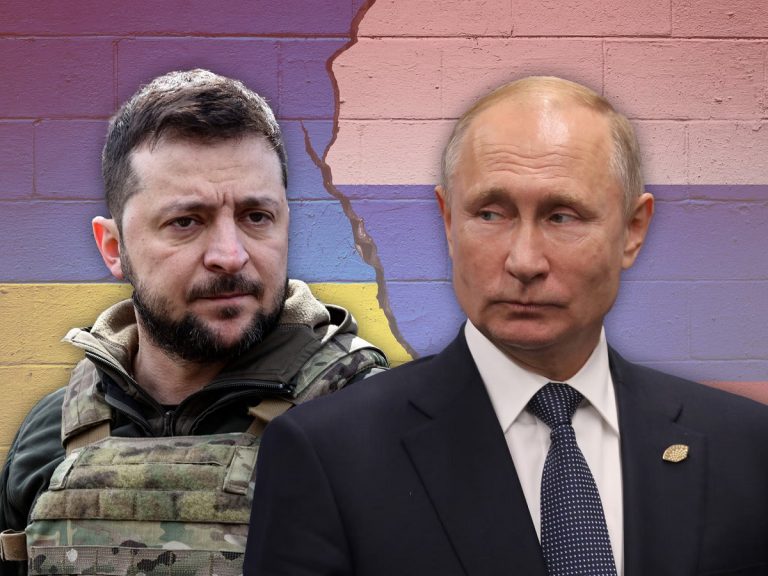
Russian Foreign Minister Sergei Lavrov accused Ukraine of launching a large-scale drone attack involving 91 long-range drones targeting President Vladimir Putin’s state residence in the Novgorod region known as Valdai or Dolgiye Borody.
Russian officials stated that air defenses intercepted and destroyed all drones, with no damage or injuries reported. Lavrov described the alleged incident as “state terrorism” and warned that “such reckless actions will not go unanswered”, indicating Russia would review its position in ongoing peace negotiations and prepare retaliatory strikes.
Kremlin aide Yuri Ushakov reported that Putin personally informed U.S. President Donald Trump of the alleged attack during a phone call, prompting Trump to express anger, calling it “not good” and distinguishing it from general offensives as an attack on Putin’s “house.”
Register for Tekedia Mini-MBA edition 20 (June 8 – Sept 5, 2026).
Register for Tekedia AI in Business Masterclass.
Join Tekedia Capital Syndicate and co-invest in great global startups.
Register for Tekedia AI Lab.
Trump noted he was “very angry” about it but has not independently verified the claim. Ukrainian President Volodymyr Zelenskyy swiftly rejected the accusation as a “complete fabrication” and “typical Russian lies,” aimed at justifying further Russian attacks on Ukrainian cities including potential strikes on Kyiv government buildings and derailing U.S.-brokered peace talks.
Ukraine’s foreign ministry emphasized that no evidence has been provided by Russia, and independent verification is lacking. The claim emerged shortly after Zelenskyy’s meeting with Trump in Florida, where progress toward a peace deal was discussed, though key issues like territory remain unresolved.
Russia has used the allegation to signal a tougher stance in negotiations, while Ukraine and some Western observers view it as a pretext to escalate or stall diplomacy. No photos, videos, or third-party confirmation of the attack have surfaced, and Russia has declined to provide evidence, attributing details to military sources.

This echoes a similar unverified Russian claim of a Ukrainian drone strike on the Kremlin in May 2023, also denied by Kyiv. Tensions remain high amid ongoing peace efforts.
Diplomatic Implications
The unverified Russian claim of a Ukrainian drone attack on Putin’s Valdai residence in Novgorod Oblast has significantly strained ongoing U.S.-brokered peace negotiations.
Just one day after optimistic talks between U.S. President Donald Trump and Ukrainian President Volodymyr Zelenskyy in Florida—where both sides described a draft peace deal as 90-95% complete—Russia announced it would revise and toughen its negotiating position.

Russian Foreign Minister Sergei Lavrov explicitly linked the alleged attack to this shift, stating that “such reckless actions will not go unanswered” and that retaliatory targets had already been selected. This timing suggests the claim serves as a pretext for Russia to: Stall or derail diplomacy, especially on contentious issues like territorial control and security guarantees.
Demand further concessions from Ukraine, reinforcing Russia’s battlefield initiative. Zelenskyy countered by calling it a “complete fabrication” designed to justify escalated strikes on Ukrainian cities and government buildings, potentially including Kyiv.
Independent analyses, from ISW and opposition Russian media note the lack of evidence undermines Russia’s credibility, echoing the disputed 2023 Kremlin drone incident.
Trump, who spoke with Putin twice in two days before and after meeting Zelenskyy, expressed anger, saying the alleged attack was “not good” and distinguishing it from general warfare: “It’s one thing to be offensive… It’s another thing to attack his house.”
He noted it occurred during a “delicate period” but deferred on evidence, saying “we’ll find out” while accepting Putin’s account. This response risks tilting U.S. mediation toward Russia, potentially pressuring Ukraine to make unilateral concessions.
However, Trump maintained optimism about peace, describing talks as productive and aiming for resolution on “thorny issues.” Russia has vowed retaliation, raising fears of intensified strikes on Ukrainian infrastructure or leadership targets.
Lavrov labeled it “state terrorism,” a rhetoric often preceding major operations. Ukraine denies involvement, and no third-party verification exists—local accounts in Valdai report no signs of air defense activity despite claims of 91 drones intercepted.
If fabricated, this could embolden Russian advances while portraying Ukraine as obstructing peace. Conversely, if real unlikely per experts due to heavy defenses around Valdai, it would mark a bold Ukrainian escalation targeting Putin personally.
Dents momentum from Trump-Zelenskyy meeting; Russia rejects proposed ceasefires as prolonging the war. Its omplicates Western support for Ukraine, as Trump emphasizes quick deals potentially at Kyiv’s expense. It highlights Russia’s pattern of using unproven claims to justify aggression, eroding trust in negotiations.
As of now, no retaliation reported, but tensions are elevated amid winter energy attacks on Ukraine. The incident—real or invented—benefits Russia by shifting blame for stalled talks onto Ukraine, while highlighting the fragility of Trump-era diplomacy. Progress remains possible but now faces greater hurdles.