

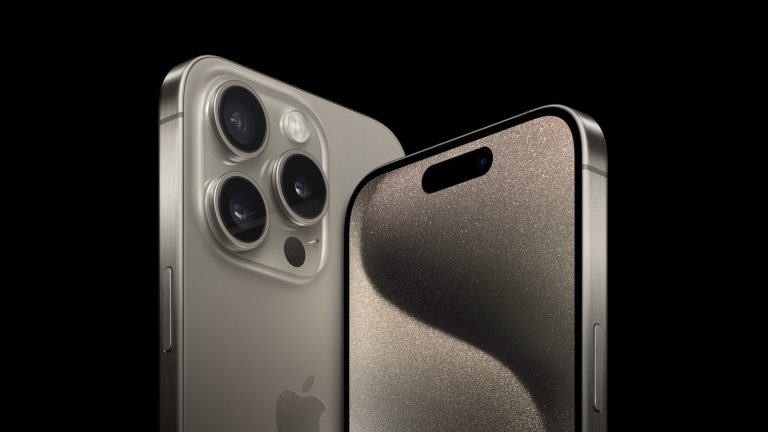
Apple kicked off fiscal 2026 with a resounding performance forecast of higher-than-expected revenue growth of up to 16%, buoyed by holiday sales and “staggering” demand for its iPhone 17 lineup.
The company reported revenue of $143.8 billion, a 16% increase year-over-year, and diluted earnings per share (EPS) of $2.84, up 19%, both propelled by record-breaking iPhone sales and robust growth in Services. The results, announced Thursday, highlight Apple’s resilience in a maturing smartphone market, with strong rebounds in key regions like Greater China and accelerating momentum in emerging markets such as India.
CEO Tim Cook described the quarter as “remarkable” and “record-breaking,” emphasizing in an earnings call that iPhone demand was “simply staggering,” with revenue soaring 23% to $85.27 billion—exceeding estimates of $78.65 billion and marking the product’s biggest quarter ever.
Register for Tekedia Mini-MBA edition 20 (June 8 – Sept 5, 2026).
Register for Tekedia AI in Business Masterclass.
Join Tekedia Capital Syndicate and co-invest in great global startups.
Register for Tekedia AI Lab.
iPhone sales achieved all-time records across every geographic segment, with the company gaining market share in December and noting double-digit growth in Android switchers. This strength lifted overall Products revenue to $113.74 billion, up 16%.
Services, encompassing App Store, Apple Music, iCloud, and more, set another all-time revenue record at $30.01 billion, rising 14% year-over-year and underscoring the segment’s role as a high-margin growth engine.
The installed base of active devices now exceeds 2.5 billion, a new milestone that bolsters recurring Services revenue and customer loyalty.

Geographically, the Americas led with $58.53 billion in revenue (up 11%), followed by Europe at $38.15 billion (up 13%). Greater China staged a dramatic recovery, with sales jumping 38% to $25.53 billion—far surpassing estimates of $21.32 billion—despite ongoing competition from local rivals and regulatory pressures.
Cook attributed this to record iPhone sales and a surge in upgraders, signaling Apple’s enduring premium appeal in the region.
Japan contributed $9.41 billion (up 5%), while the Rest of Asia Pacific—including India—grew 18% to $12.14 billion, with Cook highlighting India’s accelerating demand as a key growth driver.

Other categories showed mixed results. Mac revenue declined 7% to $8.39 billion, missing estimates of $9.13 billion, amid a broader PC market recovery estimated at 9.3% shipment growth by Gartner.
iPad sales rose 6% to $8.60 billion, beating expectations of $8.18 billion. Wearables, Home, and Accessories dipped 2% to $11.49 billion, below forecasts of $12.04 billion, though Cook noted strong demand for AirPods Pro 3—featuring live translation—caught the company off guard due to supply constraints. Gross margin expanded to 48.2%, above guidance and analyst expectations of 47.45%, reflecting efficient cost management despite rising commodity prices like gold.
Operating income rose 19% to $50.85 billion, while net income reached $42.10 billion. Operating cash flow hit a record $53.93 billion, enabling Apple to return nearly $32 billion to shareholders through dividends and repurchases. The Board declared a cash dividend of $0.26 per share, payable February 12, 2026, to shareholders of record as of February 9.
For the fiscal second quarter (ending March 2026), Apple guided revenue growth of 13% to 16% year-over-year—above consensus estimates of 10%—with gross margins forecast at 48% to 49%. Operating expenses are projected at $18.4 billion to $18.7 billion, slightly above Q1’s $18.38 billion.
Cook flagged headwinds from processor supply constraints at TSMC and a global memory chip shortage, noting: “We’re currently constrained… it’s difficult to predict when supply and demand will balance.”
He indicated the crunch would have a “bit more of an impact” on Q2 margins, with memory pricing “increasing significantly” beyond Q2, prompting exploration of mitigation options. Suppliers Samsung and SK Hynix have warned of worsening DRAM shortages, exacerbated by AI data center priorities.
Strategically, Apple bolstered its AI capabilities with a partnership to integrate Google’s Gemini into an enhanced Siri, slated for 2026 rollout, and a $1.6 billion acquisition of Israeli AI startup Q.ai—specializing in audio AI for interpreting speech, moods, or heart rates from facial cues—marking one of its largest deals.
Cook declined to address potential price hikes due to supply pressures. Shares initially jumped 3.5% in extended trading but pared to a 0.8% gain, as investors weighed supply risks against the beat. eMarketer analyst Jacob Bourne noted: “The backdrop of inflation-fatigued consumers and an ongoing memory chip shortage will pressure hardware margins in coming quarters, making that high-margin services momentum even more vital.”
The quarter’s success alleviates concerns over hardware plateaus, with Apple’s ecosystem strength and AI integrations positioning it for continued growth.