

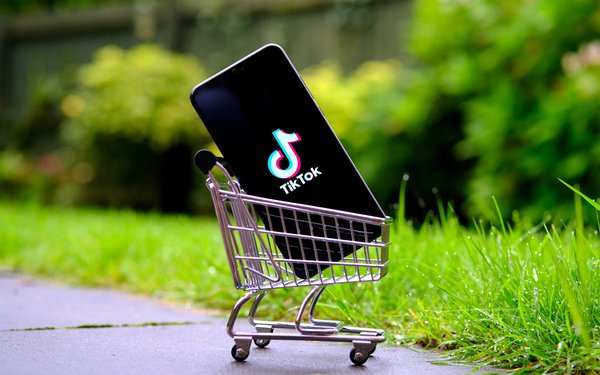
The ongoing debate surrounding the potential ban of TikTok in the United States extends far beyond concerns about national security or youth engagement. It represents a political strategic choice game, economic competition, and cultural discourse nexus. To fully understand this issue, our analyst delves into the layers of power dynamics and economic interests underpinning TikTok’s rhetoric using Facebook’s expressions of Americans and other global citizens.
Political Undertones of the TikTok Debate
The proposed ban of TikTok is framed by U.S. policymakers as a matter of national security. Critics argue that TikTok’s parent company, ByteDance, based in China, could potentially share user data with the Chinese government. While these concerns are legitimate, skeptics view them as part of a broader geopolitical chessboard where the U.S. seeks to curtail China’s influence in global technology.
Register for Tekedia Mini-MBA edition 20 (June 8 – Sept 5, 2026).
Register for Tekedia AI in Business Masterclass.
Join Tekedia Capital Syndicate and co-invest in great global startups.
Register for Tekedia AI Lab.
This political narrative takes a distinctly partisan tone. The views of commenters on Facebook analysed highlight the bipartisan agreement to curb TikTok, juxtaposing it with Congress’s inability to unite on critical domestic issues such as healthcare and education. The underlying implication is that TikTok has become a convenient scapegoat for deeper issues of mistrust between the U.S. and China.
Notably, TikTok has also emerged as a powerful platform for disseminating uncensored news and grassroots movements. It amplifies voices that challenge mainstream media narratives, making it a potential threat to traditional media conglomerates and their political allies. As one observer noted, the ban reveals a growing anxiety among political elites about the democratization of information, an arena where control over narratives is increasingly decentralized.
Economic Incentives Behind the Ban

Beyond politics, the economic dimension of TikTok’s ban is undeniable. TikTok has rapidly become a dominant player in the social media space, drawing advertising dollars away from U.S.-based platforms like Facebook, Instagram, and X (formerly Twitter). As one Facebook user aptly commented, “Follow the money. Our elected officials own stock in these other platforms.” This assertion reflects the perception that the ban is not just about security but also about protecting American tech giants from foreign competition.
The suggestion that TikTok’s forced sale to a U.S. company could resolve these concerns adds another layer of complexity. This would ostensibly address national security issues while simultaneously handing a profitable entity to American stakeholders. Critics argue that this is less about safety and more about controlling media narratives and monopolizing the tech market.
Another user’s comment about monetization and taxes highlights a critical economic argument: “No free rides. Wanna earn on TikTok… need to pay taxes.” This points to the U.S. government’s interest in ensuring that platforms generating revenue from American users contribute to the economy. However, the optics of such measures, forcing a foreign company to play by American rules or face extinction, raise ethical and legal questions about fair competition and global trade.

Cultural Implications and Societal Reflections
The TikTok debate also touches on broader cultural anxieties about the role of social media in modern society. While some commentators decry TikTok as a “dumphole” filled with frivolous content, others defend it as a space for creativity, connection, and free expression. For many, TikTok represents a digital common where marginalized voices can rise, and communities can form around shared interests.
Yet, the platform’s algorithm, often criticized for its opaque and highly personalized nature, has drawn scrutiny. Observers note that users largely control their experiences on TikTok, as the algorithm feeds content based on individual preferences and engagement patterns. This challenges the narrative that TikTok is inherently harmful, redirecting the conversation to issues of personal responsibility and digital literacy.
The cultural loss of TikTok, if banned, cannot be understated. As one user poignantly noted, “When TikTok goes dark, it’s more than an app disappearing. It’s losing a space where people felt free to be themselves.” This sentiment underscores the platform’s role in fostering a sense of belonging and identity for millions of users, particularly younger generations who have grown up in the digital age.
The Broader Implications for Democracy and Freedom
The potential ban of TikTok raises critical questions about democracy, freedom, and the role of government in regulating technology. As one user remarked, “America, where you’re free to have an opinion but not free to have a choice.” This highlights the tension between protecting citizens and curbing freedoms in the name of security.
Moreover, the debate reveals the fragility of digital freedoms. Today, it is TikTok; tomorrow, it could be another platform. The idea that a government can unilaterally shut down a digital space where millions interact sets a concerning precedent. It suggests that economic and political interests can override individual freedoms, raising alarms about the erosion of democratic principles.