

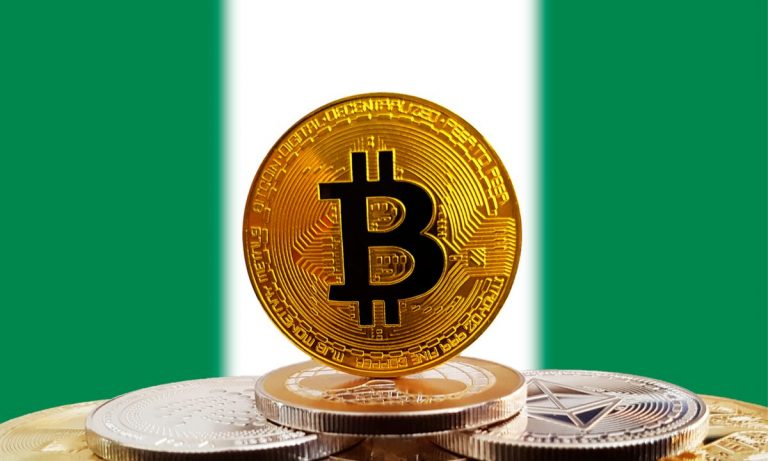
Nigeria’s cryptocurrency landscape is undergoing a quiet but profound shift. While Bitcoin still commands attention and remains the most recognized digital asset, it is no longer the primary driver of Nigeria’s everyday crypto activity.
Within the country’s $57 billion retail market, stablecoins led by Tether (USDT), alongside utility-focused networks like Ethereum, are increasingly taking center stage.
A new report from Quidax highlights that stablecoins have become the backbone of Nigeria’s digital finance ecosystem. In an economy grappling with severe naira devaluation, individuals and businesses have turned to digital dollar equivalents as a means to preserve value, conduct commerce, and manage cross-border transactions.
Register for Tekedia Mini-MBA edition 20 (June 8 – Sept 5, 2026).
Register for Tekedia AI in Business Masterclass.
Join Tekedia Capital Syndicate and co-invest in great global startups.
Register for Tekedia AI Lab.
Recent market data shows that Nigerians transacted nearly $22 billion in stablecoins between July 2023 and June 2024, positioning the country as the leading stablecoin market in Africa. In fact, stablecoins now account for about 40% of Nigeria’s crypto transaction volume, signaling a shift in how individuals and businesses manage value, liquidity, and international trade
This shift represents a form of grassroots dollarization, where Nigerians bypass physical USD shortages and rely on stablecoins to save, pay suppliers abroad, and stabilize purchasing power.
The data backs up this behavioral change. Liquidity, speed, and stability are the top priorities for Nigerian crypto users. Twenty-five percent of users emphasize the importance of being able to move large sums easily, while nearly 18 percent value the ability to enter and exit trades quickly. Another 15 percent focus on minimizing exposure to volatility.

The naira’s persistent depreciation has encouraged many Nigerians to look for ways to preserve their purchasing power. With the difficulty of accessing foreign currency through traditional banking channels, stablecoins like USDT (Tether) and USDC offer a practical alternative. They are easily bought through peer-to-peer networks and digital wallets, allowing users to move seamlessly between naira and dollar-denominated value.
Stablecoins are also being adopted for cross-border payments. Freelancers, e-commerce merchants, importers, and remote workers increasingly prefer receiving income in stablecoins because they provide faster settlement and avoid heavy banking fees. For many Nigerian businesses that trade across Africa and Asia, stablecoins reduce the friction associated with global remittances and settlement.
This counters the common narrative that crypto adoption in Nigeria is driven mostly by high-risk speculation. Instead, users seek efficient, predictable financial tools.

Alongside stablecoins, Ethereum has emerged as the practical workhorse for daily transactions. Fifty-seven percent of users prefer Ethereum-based transactions, with 34 percent citing lower fees and 22 percent pointing to faster confirmation times. Additionally, nearly 15 percent are drawn to Ethereum’s broader ecosystem and innovation potential, signaling a maturing understanding of blockchain technology beyond trading.
Importantly, crypto usage in Nigeria is not occasional. A striking 88 percent of users conduct at least one crypto-related transaction per month, underscoring the role of digital assets as an integrated part of everyday financial life. For many, cryptocurrency is not just an investment vehicle but a reliable medium of exchange, a savings tool, and a gateway for global commerce.
The takeaway is clear, Bitcoin may dominate the headlines, but stablecoins and Ethereum are quietly powering Nigeria’s real digital economy. They are facilitating trade, enabling financial resilience, and serving as practical solutions where traditional systems have fallen short.