

Central bankers have spent the week confronting a familiar problem in an unfamiliar form: inflation is being pushed higher by an energy shock that monetary policy cannot directly produce or remove. The response has been increasingly similar.
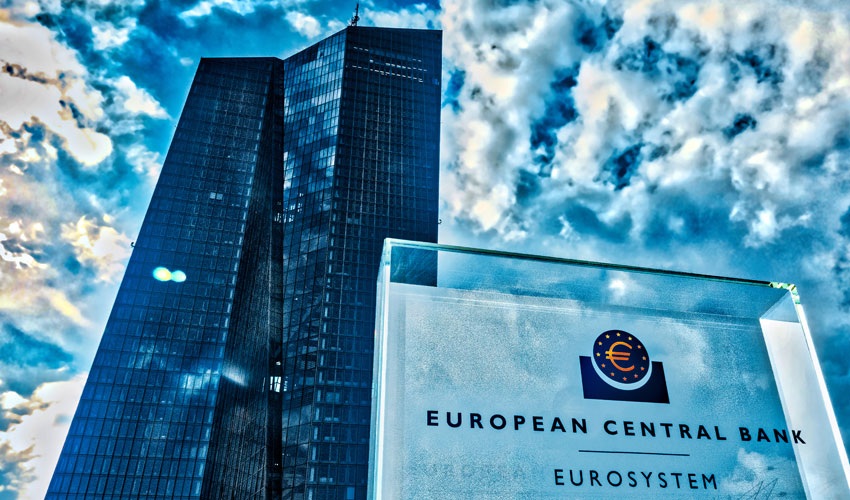
The Federal Reserve raised its benchmark rate to 3.75%-4%, the European Central Bank has also tightened policy, and on Friday the Bank of Japan lifted its policy rate to 1.25%, its highest level since 1995.
Japan’s decision is particularly significant. For years, the Bank of Japan operated with exceptionally low interest rates as it attempted to escape deflation and generate a more durable inflation cycle.
Register for the next Tekedia Mini-MBA.
Register for Tekedia AI in Business Masterclass.
Join Tekedia Capital Syndicate and co-invest in great global startups.
The latest increase represents another step in monetary normalization, but it arrives as the Japanese economy faces an external inflation shock. Energy costs have become an increasingly important consideration as geopolitical conflict disrupts global oil markets.
The Strait of Hormuz sits at the centre of that concern. Japan is heavily dependent on imported energy, meaning disruptions to crude shipments can quickly raise costs for businesses and households. When oil becomes more expensive, the effects do not stop at the petrol station.
Transportation, manufacturing, electricity, food distribution and other supply chains can all face higher expenses. Central banks then confront the difficult possibility that an initially external price shock could eventually become embedded in broader inflation expectations.

That is why the policy decisions in Washington, Frankfurt and Tokyo matter beyond their individual economies. Higher interest rates are intended to restrain demand and prevent temporary price pressures from becoming persistent inflation.
Yet they also make borrowing more expensive, potentially slowing investment, housing activity and consumer spending. Policymakers therefore face a narrow path between controlling inflation and weakening economic growth. The United Kingdom is currently taking a different position.
The Bank of England held Bank Rate at 3.75% for a sixth consecutive meeting on September 17, although three policymakers voted for an increase to 4%. The central bank acknowledged that Middle East tensions have pushed energy prices higher and warned that UK inflation could rise further.

Governor Andrew Bailey has emphasized an important distinction. Higher energy prices have already affected the near-term inflation outlook, but there has so far been limited evidence that those costs are generating significant second-round effects through wages and broader price-setting.
Bailey said the transmission into general inflation remains subdued, although the longer energy prices remain elevated, the greater the risk becomes.
This distinction could determine the next phase of monetary policy. If businesses absorb higher energy costs through narrower margins and households reduce consumption, inflation may eventually moderate without aggressive additional tightening.
If companies pass costs to consumers and workers demand compensation through higher wages, central banks may face a more persistent inflation cycle. The global economy is therefore entering a complicated monetary-policy environment.
Central banks are responding to similar energy pressures, but their economies differ in exposure, domestic demand, labor-market conditions and inflation dynamics. The result is unlikely to be a perfectly synchronized tightening cycle.
For investors, the central question is no longer simply where interest rates are headed. It is how long the energy shock lasts and how deeply it travels through the global economy. If elevated oil prices remain temporary, policymakers may eventually regain room to pause.
If the shock becomes entrenched, the world could face the more difficult combination of slower growth, tighter financial conditions and persistent inflation. This week’s decisions demonstrate that energy has once again become a monetary-policy variable.
Central bankers may control interest rates, but they cannot control the flow of crude through a geopolitical chokepoint. Their challenge is managing what happens after that energy shock reaches consumers, businesses, wages and expectations.