

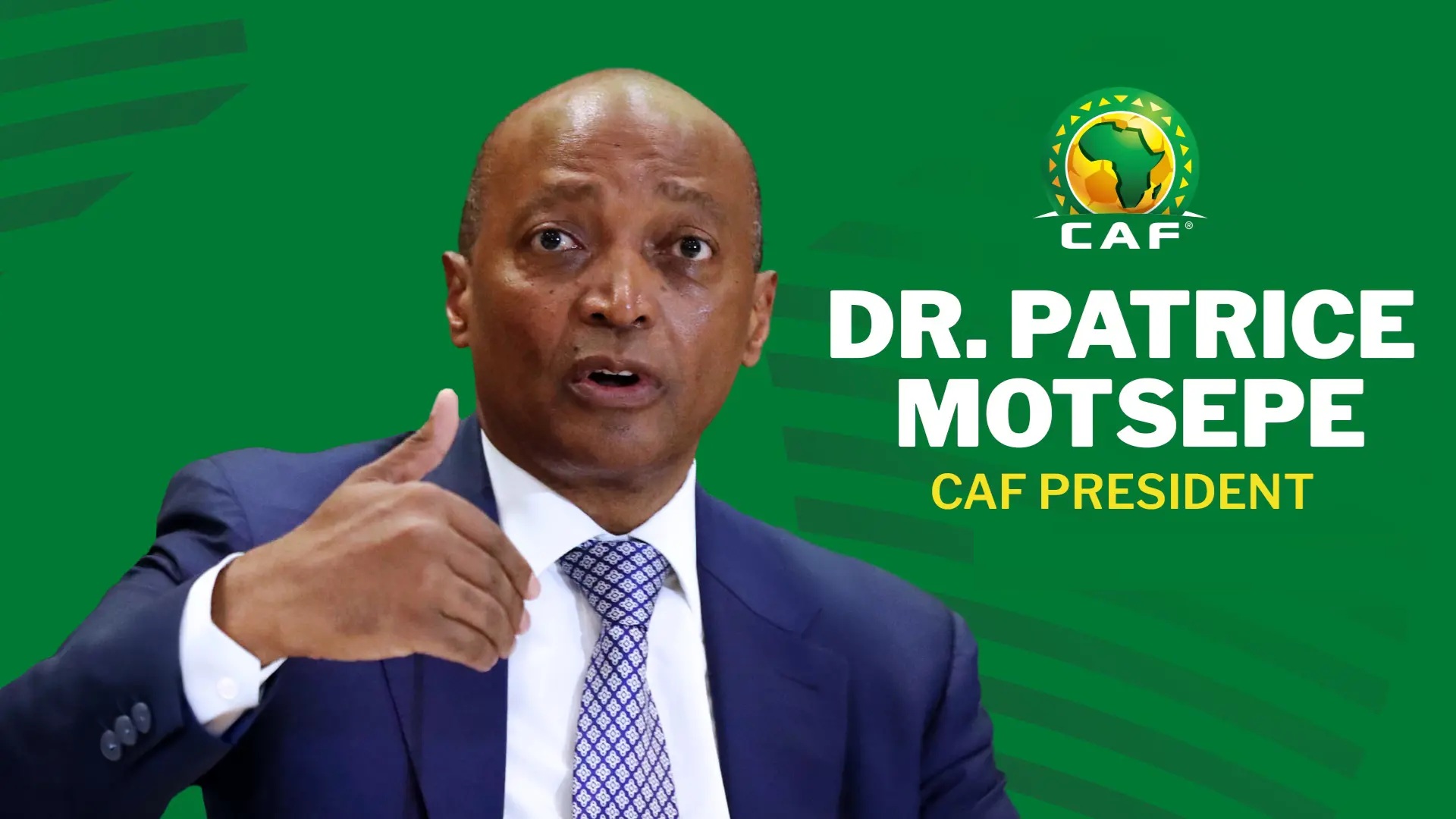
The Confederation of African Football (CAF) is shaking up its flagship tournament, increasing the Africa Cup of Nations from 24 to 28 teams while shifting the competition to a four-year cycle and launching an annual Nations League starting in 2029, president Patrice Motsepe announced Sunday.
The surprise expansion, revealed after a CAF executive committee meeting in Dar es Salaam, aims to give more nations a shot at continental glory and bring top African talent back home for the showpiece event.
“This is evidence of our commitment to world-class football,” Motsepe said, adding that the move would allow “the best African players from all over the world” to compete on the continent.
Register for Tekedia Mini-MBA edition 20 (June 8 – Sept 5, 2026).
Register for Tekedia AI in Business Masterclass.
Join Tekedia Capital Syndicate and co-invest in great global startups.
Register for Tekedia AI Lab.
Details on how the expanded format will work, including group stages, knockout rounds, or qualification changes, remain unclear, and Motsepe offered no timeline for when the 28-team edition would debut. The last four finals have featured 24 teams, up from 16 since the 2019 expansion in Egypt.
Motsepe insisted the 2027 tournament would proceed as scheduled in the co-hosts Kenya, Tanzania, and Uganda, with a follow-up edition in 2028. After that, AFCON will settle into a quadrennial rhythm, freeing up space for the new annual Nations League. The league will feature all 54 African member associations in zonal-based competition, culminating in a 16-team final tournament every two years.
Motsepe highlighted its potential to deliver predictable, high-stakes fixtures like Kenya vs Tanzania, Ghana vs Nigeria, or Egypt vs Morocco during FIFA windows.

“We have to stop this thing of African fixtures not being predictable, consistent and reliable,” he said. “We must develop football in East Africa, which is an area of much potential.”
CAF’s General Sec. Resigns
The ambitious overhaul comes at a turbulent moment for CAF. Hours before the announcement, general secretary Véron Mossengo-Omba stepped down after five years in the role, citing a desire to pursue personal projects after more than three decades in international football administration.
The 66-year-old Swiss-Congolese official, a former FIFA executive and university friend of FIFA president Gianni Infantino, had faced mounting pressure to leave, including criticism for staying past the organization’s mandatory retirement age of 63.

Mossengo-Omba’s departure occurs against a backdrop of controversy, including CAF’s decision to strip Senegal of the 2025 AFCON title — a move that damaged the tournament’s credibility and prompted Senegal’s government to appeal the decision in the Court of Arbitration for Sports (CAS), calling it absurd.
Some staff had accused him of fostering a toxic workplace atmosphere, though an internal probe cleared him. Social media and elements within CAF’s executive committee had grown increasingly vocal in demanding change.
In his farewell statement, Mossengo-Omba said he was retiring with “peace of mind” after dispelling suspicions cast upon him, leaving CAF “more prosperous than ever.” Motsepe offered a different account later, telling reporters that Mossengo-Omba had been asked by the Democratic Republic of Congo’s president to help develop football back home.
Sources indicate the veteran administrator is expected to run for president of Congo’s football federation in upcoming elections — a move that could position him for a future tilt at CAF’s top job if Motsepe eventually steps aside for South African politics, something the billionaire has repeatedly denied.
CAF named competitions director Samson Adamu, a Nigerian, as acting general secretary.
The leadership transition and governance questions have cast uncertainty on Motsepe’s vision for reform. Expanding AFCON to 28 teams could boost revenue and broaden participation, but it risks diluting quality or straining infrastructure in host nations if logistics and qualification pathways are not carefully managed.
The shift to a four-year cycle aligns CAF more closely with the global calendar dominated by the FIFA World Cup and European Championships, while the Nations League is designed to keep competitive rhythm alive without overloading the schedule.
It is not certain that these changes will deliver opportunities for countries in underrepresented regions like East Africa, or simply paper over deeper issues of transparency and stability that have dogged African football’s governing body for years.