

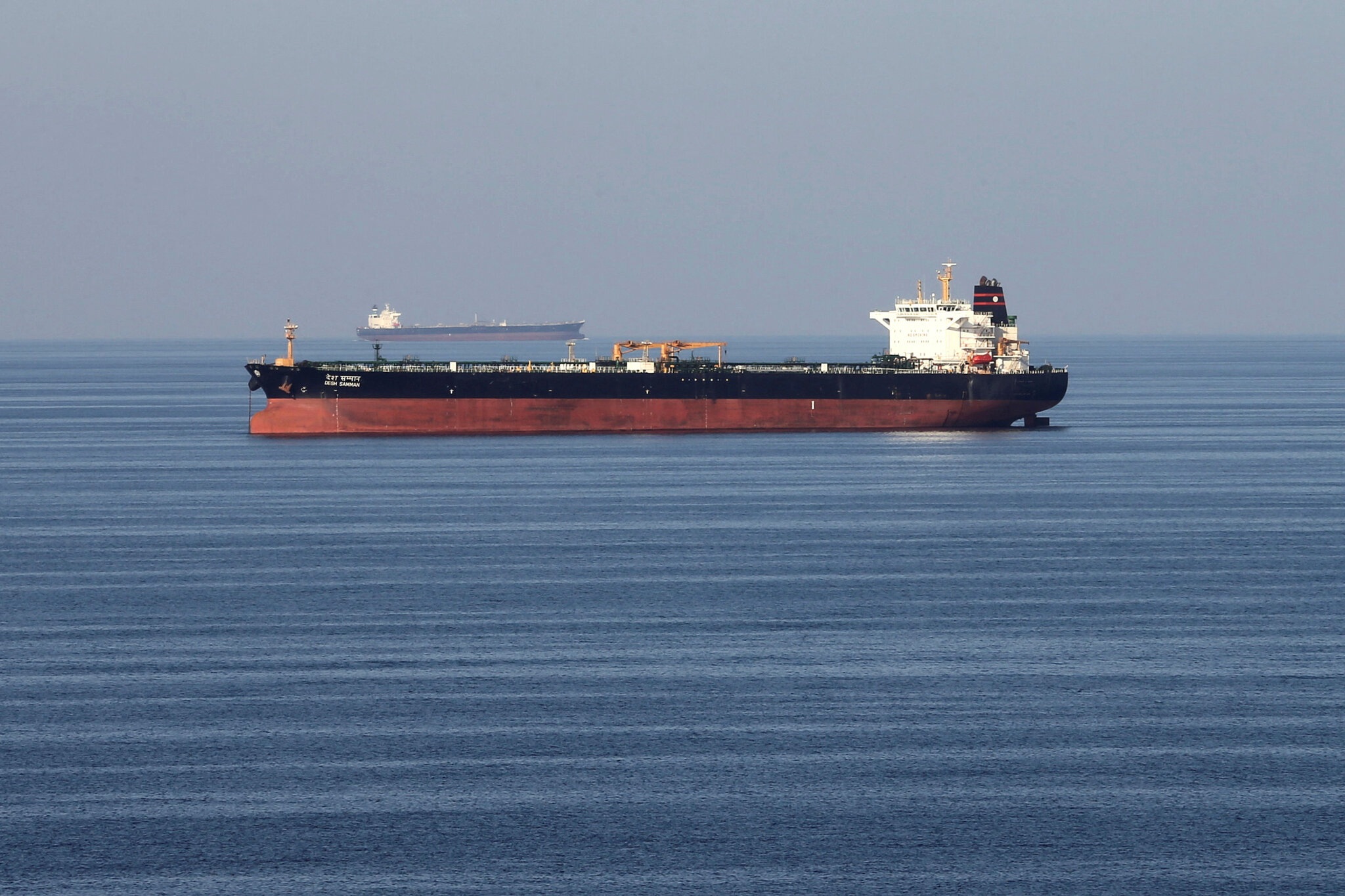
China has moved to block the enforcement of U.S. sanctions against five domestic refiners accused of purchasing Iranian crude, escalating what is increasingly becoming a direct test of regulatory authority between the world’s two largest economies.
The Ministry of Commerce said on Saturday that it had issued an injunction preventing compliance with U.S. sanctions targeting the firms, according to state news agency Xinhua News Agency. The decision covers Hengli Petrochemical (Dalian) Refinery, Shandong Jincheng Petrochemical Group, Hebei Xinhai Chemical Group, Shouguang Luqing Petrochemical, and Shandong Shengxing Chemical, all part of China’s independent “teapot” refining sector.
These smaller, privately operated refineries account for roughly a quarter of China’s refining capacity and are particularly sensitive to crude price differentials. They rely heavily on discounted imports, including sanctioned Iranian oil, to remain competitive amid weak domestic fuel demand and compressed margins.
Register for the next Tekedia Mini-MBA.
Register for Tekedia AI in Business Masterclass.
Join Tekedia Capital Syndicate and co-invest in great global startups.
The injunction represents a clear escalation in Beijing’s posture toward Washington’s sanctions regime. While China has long objected to unilateral sanctions, it has now moved from diplomatic criticism to explicit domestic legal shielding of targeted firms, a step that effectively instructs companies and financial intermediaries within its jurisdiction to ignore U.S. enforcement measures.
The decision follows repeated warnings from Beijing that it would not bow to what it views as extraterritorial pressure from Washington. Chinese officials have argued in recent months that sanctions targeting third-country entities violate international law and disrupt legitimate trade flows.
In earlier statements, Beijing said it would take “necessary measures” to protect the lawful interests of Chinese companies, signaling that it would respond directly if domestic firms were penalized for dealings tied to sanctioned Iranian crude.

The latest move appears to translate that warning into policy action.
At the center of the dispute is the continued flow of Iranian oil into China, which remains one of Tehran’s most important energy buyers. Despite years of U.S. sanctions, shipments have persisted through complex logistics networks involving intermediary traders, ship-to-ship transfers, and reclassification of cargo origin.
Washington has intensified pressure on those channels, including recent sanctions on Hengli Petrochemical, which the U.S. Treasury accused of purchasing billions of dollars in Iranian crude. The other four refiners have also previously been sanctioned under earlier enforcement rounds.

For Beijing, however, access to low-cost crude remains a priority. Independent refiners depend on discounted barrels to offset narrow or negative margins, especially as domestic demand growth slows and competition within China’s fuel market intensifies.
Industry participants say sanctions have already begun to disrupt operations. Affected firms face increased difficulty securing cargoes, higher compliance risk in payments, and pressure to rebrand or reroute refined products for export markets to avoid secondary exposure.
The broader implication of China’s injunction is that it formalizes a parallel regulatory stance that directly challenges the reach of U.S. financial and sanctions systems. While enforcement capacity outside China remains limited, the move sends a political signal that Beijing is prepared to actively defend domestic firms operating in contested global supply chains.
Analysts say the decision reflects a wider shift in China’s approach to economic coercion, particularly in sectors tied to energy security. It also supports the view that Beijing is willing to absorb external pressure in order to preserve access to discounted crude supplies from sanctioned producers, including Iran and Russia.
Global oil markets are already under strain from geopolitical disruptions in the Middle East, where tensions have periodically threatened key shipping routes and contributed to sharp price volatility. Any sustained disruption to Iranian exports would tighten supply further, increasing reliance on alternative flows into Asia.
Against that backdrop, China’s move signals not only resistance to sanctions but also a broader recalibration of energy strategy under conditions of heightened geopolitical fragmentation. While the injunction may not neutralize the impact of U.S. measures in international banking, shipping insurance, or dollar-based transactions, it does reduce domestic legal exposure for affected firms and lowers the immediate risk of compliance-driven withdrawal from Iranian-linked trade.