

China has committed to purchasing at least $17 billion worth of U.S. agricultural products annually between 2026 and 2028, according to a White House fact sheet released Sunday, signaling a fresh attempt by Washington and Beijing to stabilize economic relations after years of tariff battles.
The agreement emerged from meetings last week between Donald Trump and Chinese President Xi Jinping, with both governments presenting the arrangement as part of a broader framework aimed at easing trade tensions between the world’s two largest economies.
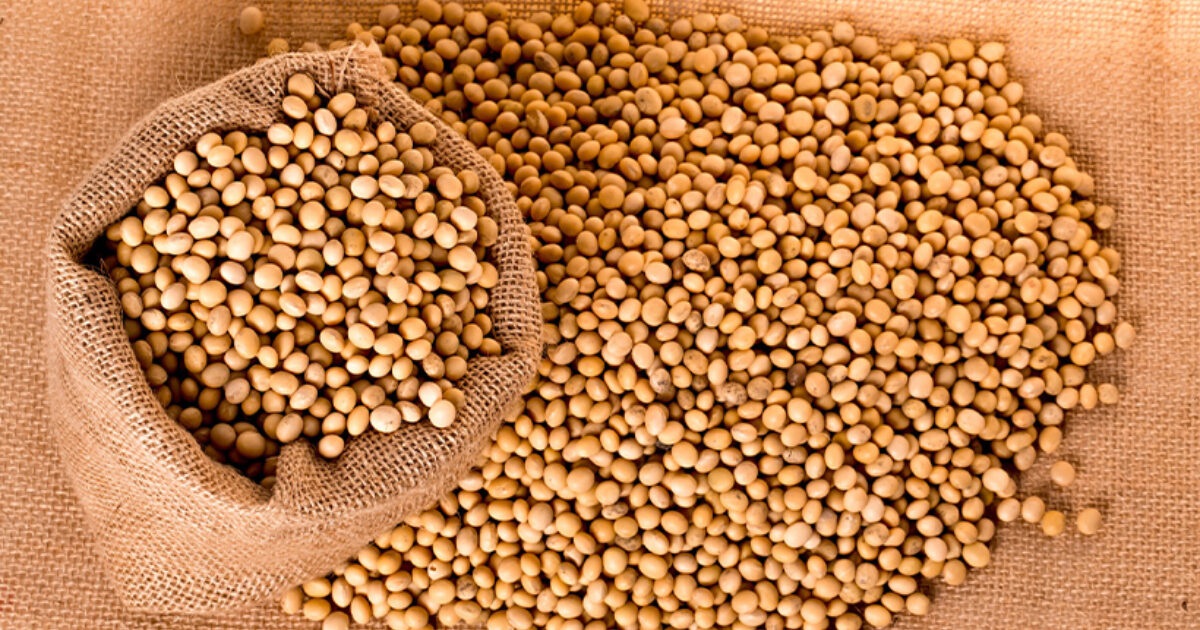
The White House said the $17 billion commitment does not include separate soybean purchase agreements China made in October 2025, suggesting total Chinese agricultural imports from the United States could rise significantly above the headline figure.
Register for the next Tekedia Mini-MBA.
Register for Tekedia AI in Business Masterclass.
Join Tekedia Capital Syndicate and co-invest in great global startups.
Washington also confirmed earlier statements from Beijing that the two countries would establish a U.S.-China Board of Trade and a U.S.-China Board of Investment, institutional mechanisms designed to manage trade disputes, improve market access, and oversee investment relations. Chinese Foreign Minister Wang Yi said last week the boards would help resolve concerns over agricultural market access while expanding trade “under a reciprocal tariff-reduction framework.”
The announcement marks one of the most substantial bilateral trade understandings between the two countries since the original Phase One trade agreement reached during Trump’s first term in office.
Agriculture Again Becomes the Foundation of U.S.-China Trade Diplomacy
Agriculture has long occupied a politically sensitive position in U.S.-China economic negotiations because American farmers became some of the biggest casualties of the tariff war that erupted during Trump’s earlier presidency. China historically ranked among the largest export markets for U.S. soybeans, corn, pork, and other farm products before retaliatory tariffs sharply disrupted trade flows.

The agreement also suggests both governments are attempting to prevent strategic rivalry from fully destabilizing economic ties. Although Washington and Beijing remain locked in competition across artificial intelligence, advanced manufacturing, and national security, trade in agriculture remains one of the few areas where mutual economic dependence still offers room for cooperation.
The creation of formal trade and investment boards reflects an effort to institutionalize communication channels after years of escalating disputes, sanctions, and retaliatory restrictions.
Trade Reset Comes Amid Domestic Economic Pressures
The renewed engagement arrives as both countries confront growing economic pressures at home.

China continues battling slowing growth, weak consumer confidence, a prolonged property-sector downturn, and declining foreign investment inflows. Expanding agricultural imports from the United States may help stabilize broader trade relations at a time when Beijing is seeking to reassure global markets and prevent further economic fragmentation. The United States, meanwhile, faces inflation concerns, geopolitical instability, and rising pressure from businesses seeking more predictable trade conditions with China despite ongoing strategic tensions.
The Trump administration has maintained a more confrontational stance toward Beijing on technology and industrial competition while simultaneously pursuing selective economic agreements in areas viewed as strategically manageable.
That balancing act increasingly defines the modern U.S.-China relationship. Rather than full economic decoupling, both sides appear to be moving toward a more fragmented system in which cooperation survives in sectors such as agriculture and consumer trade while competition intensifies in semiconductors, AI, defense-related technologies, and supply chains.
The mention of a “reciprocal tariff-reduction framework” is notable because tariffs imposed during the earlier trade war remain among the most visible symbols of deteriorating relations between Washington and Beijing. Any reduction in those barriers could provide relief for exporters, manufacturers, and commodity markets globally.
Still, major structural tensions remain unresolved.
Disputes over intellectual property, industrial subsidies, export controls, and access to advanced technologies continue shaping the broader relationship between the two powers. The semiconductor conflict in particular has deepened significantly as the United States tightened restrictions on China’s access to advanced chips and manufacturing equipment, prompting Beijing to accelerate efforts to build domestic technological self-sufficiency.
Against that backdrop, the agricultural agreement appears less like a comprehensive reconciliation and more like a pragmatic attempt to stabilize one critical component of the relationship while broader strategic competition continues.
Implications for Global Commodity Markets
The scale of China’s agricultural commitments could have significant implications for global commodity markets over the next several years.
China remains the world’s largest importer of soybeans and a major buyer of corn, wheat, and meat products. Increased U.S. exports to China could reshape global trade flows, affect pricing dynamics, and alter demand patterns for competing exporters such as Brazil and Argentina.
The agreement may also strengthen U.S. farm incomes if Chinese demand remains consistent through 2028.
Commodity traders and agribusiness firms are likely to closely monitor implementation details, particularly because previous trade agreements between Washington and Beijing sometimes fell short of headline purchase targets. However, the establishment of formal trade and investment boards suggests both governments are attempting to create more durable mechanisms for enforcement and dispute resolution.