

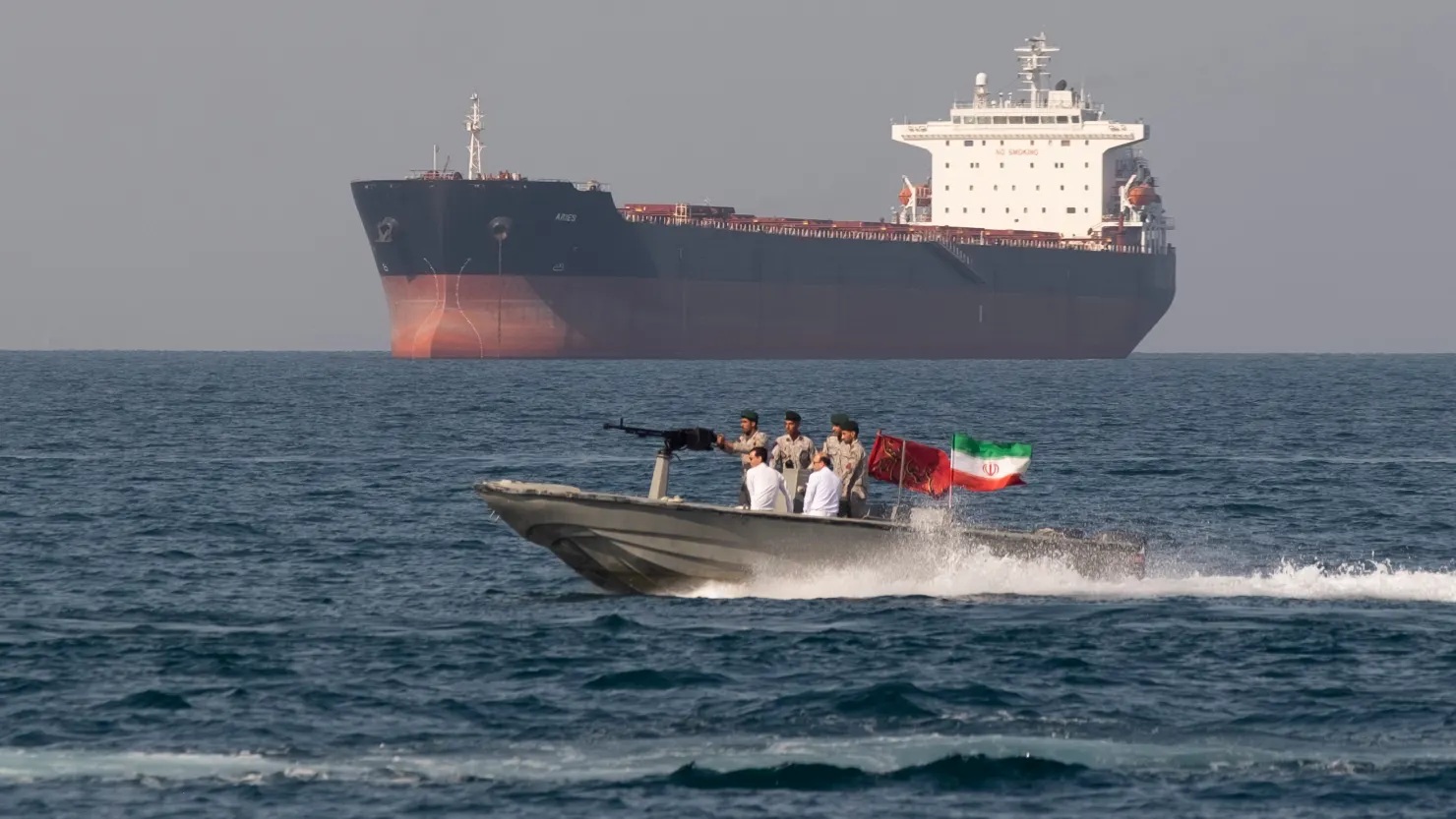
China’s diplomatic posture toward the Iran crisis reflects a calibrated balance between geopolitical ambition and strategic restraint. While Beijing has publicly offered to mediate peace between Iran and its adversaries, it has simultaneously made clear that it will not provide military assistance. This dual-track approach underscores China’s broader foreign policy doctrine: influence without entanglement, and diplomacy without direct military confrontation.
China’s position is its long-standing principle of non-interference in the internal affairs of sovereign states. Unlike traditional security alliances such as those maintained by the United States, China does not operate a formal defense pact system. Its relationship with Iran is defined as a comprehensive strategic partnership, not a military alliance, meaning there is no legal or institutional obligation for Beijing to supply arms or direct military support.
As analysts have noted, China’s engagement with Iran is designed to preserve flexibility, not to commit it to war. This distinction becomes particularly important in the context of escalating tensions in the Middle East. China has consistently emphasized that stability in the region is essential for global energy security and for its own economic interests, especially given its reliance on imported oil and its Belt and Road infrastructure investments.
Register for the next Tekedia Mini-MBA.
Register for Tekedia AI in Business Masterclass.
Join Tekedia Capital Syndicate and co-invest in great global startups.
Military involvement would risk destabilizing these interests, potentially exposing Chinese shipping routes, energy supplies, and overseas investments to retaliatory disruptions.
Instead, Beijing has positioned itself as a potential mediator. Chinese officials have repeatedly signaled readiness to facilitate dialogue between Iran and opposing parties, echoing earlier diplomatic efforts such as its role in the Saudi–Iran rapprochement.
This mediation strategy is consistent with China’s broader diplomatic playbook: offering negotiation frameworks, encouraging ceasefires, and leveraging economic influence, rather than deploying coercive force. However, China’s refusal to provide military aid is not solely ideological—it is also strategic.
Direct arms transfers or military support to Iran would risk a sharp deterioration in China’s relations with other key regional actors, including Gulf states and Israel, as well as intensify friction with the United States. Beijing has sought to maintain a multi-vector Middle East policy, preserving trade and energy ties across rival blocs rather than aligning decisively with one side.

China’s global priorities increasingly extend beyond the Middle East. Its strategic competition with the United States, particularly in technology, finance, and Indo-Pacific security, requires it to avoid secondary entanglements that could drain diplomatic capital or trigger sanctions. As a result, even during periods of heightened conflict involving Iran, China has limited its involvement to diplomatic statements, humanitarian assistance, and calls for de-escalation.
The current approach—offering mediation while withholding military aid—reflects a broader evolution in Chinese foreign policy. Beijing seeks to be perceived as a responsible global stakeholder capable of facilitating peace, yet it remains unwilling to assume the burdens of military enforcement. This creates a deliberate asymmetry: China is willing to shape outcomes through diplomacy and economic leverage, but not to underwrite security outcomes with force.
China’s stance on Iran illustrates a pragmatic doctrine of constrained influence. By offering to mediate peace while refusing military involvement, Beijing preserves strategic neutrality, protects its economic interests, and avoids direct confrontation with rival powers. Whether this approach can yield tangible peace outcomes remains uncertain.