

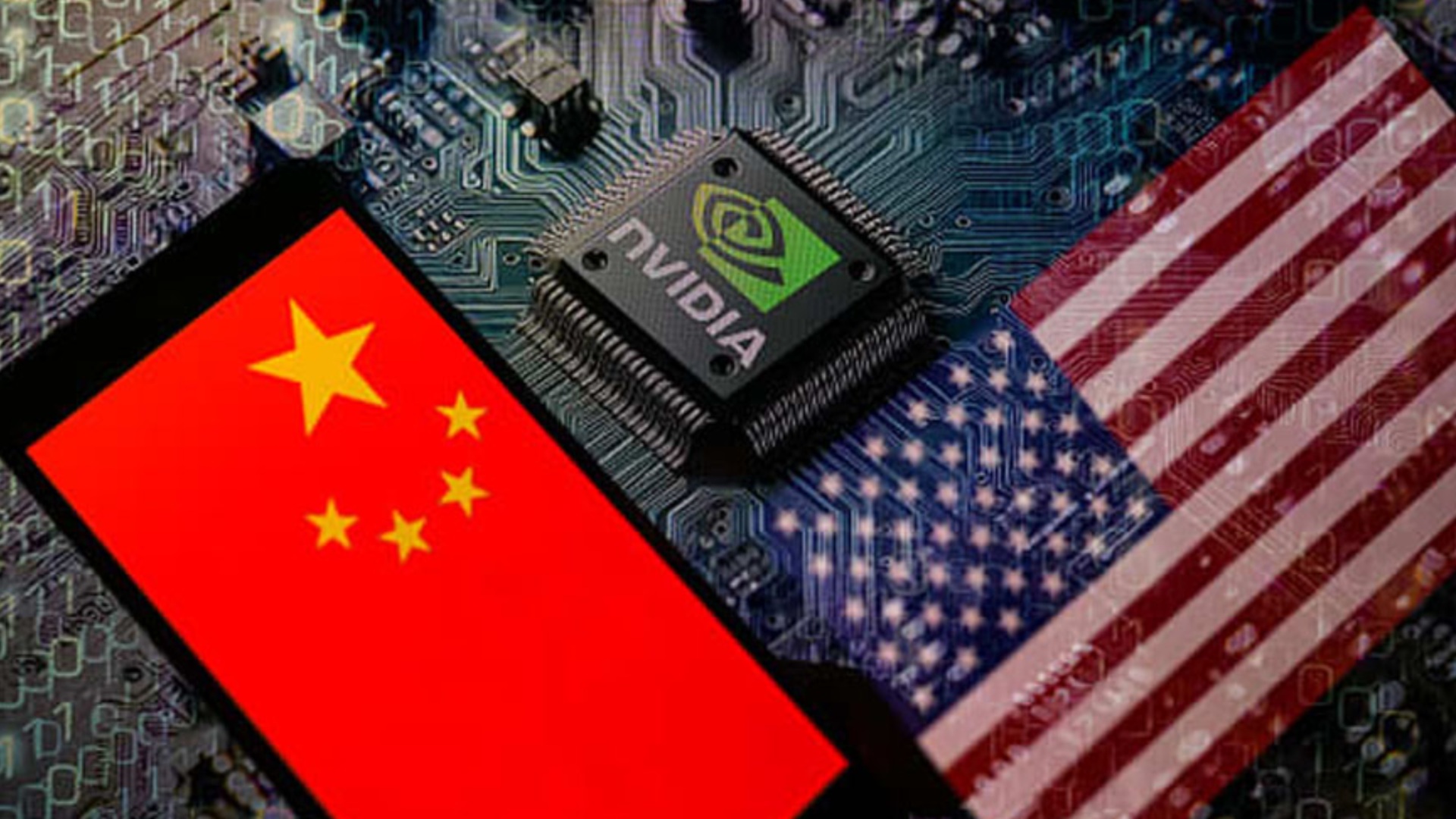
Chinese technology giants, including Alibaba and ByteDance, are pressing ahead with their pursuit of Nvidia’s artificial intelligence chips, despite clear signals from regulators in Beijing discouraging such purchases, four people familiar with procurement discussions told Reuters.
The companies are particularly keen on securing Nvidia’s H20 model, which the U.S. firm in July regained permission to sell in China. Tech executives want reassurance that their orders are being processed while watching closely for developments around Nvidia’s next product, the tentatively named B30A, based on the company’s powerful Blackwell architecture, two of the sources said.
If approved for export by Washington, the B30A is expected to cost roughly double the H20’s price tag of $10,000 to $12,000, but Chinese buyers see the deal as worthwhile given that it promises to be up to six times more powerful, according to two sources.
Register for Tekedia Mini-MBA edition 20 (June 8 – Sept 5, 2026).
Register for Tekedia AI in Business Masterclass.
Join Tekedia Capital Syndicate and co-invest in great global startups.
Register for Tekedia AI Lab.
Both the H20 and B30A are downgraded versions of Nvidia’s global models, designed specifically to comply with U.S. export restrictions aimed at keeping China from accessing the world’s most advanced AI chips.
The Geopolitical Flashpoint
China’s access to cutting-edge AI chips has become one of the central flashpoints in the U.S.–China battle for tech supremacy. Nvidia, which generated about 13% of its revenue from China in the past fiscal year, has lobbied against overly harsh restrictions. Executives argue that if Chinese firms are entirely cut off, they may shift permanently to domestic competitors such as Huawei or Cambricon, threatening Nvidia’s long-term foothold.
That argument has resonated in Washington, where officials have scaled back from their most restrictive proposals. Still, U.S. President Donald Trump has extracted concessions, including a deal for the U.S. government to take 15% of H20 revenue.

Beijing, meanwhile, is playing a delicate balancing act. Authorities have summoned companies like Tencent and ByteDance to question their Nvidia chip purchases, expressing concerns over information security risks. But regulators have stopped short of issuing an outright ban, reflecting the continued dependence of Chinese AI leaders on U.S. technology.
Supply and Performance Gaps
Domestic supply from Huawei and Cambricon remains limited, and three engineers at Chinese tech firms confirmed Nvidia’s chips still outperform local rivals.
Nvidia has stockpiled an estimated 600,000 to 700,000 H20 units, according to sources, and has instructed TSMC to produce more. The company is even planning to send B30A samples to Chinese clients for testing as early as September.

CEO Jensen Huang has tried to reassure buyers, telling customers and suppliers that demand for the H20 remains strong and urging them not to worry about availability. He estimates that the Chinese market could represent $50 billion in potential business for Nvidia if the company can keep offering competitive products.
Still, the uncertainty has weighed on Nvidia’s stock. In late August, the company issued a tepid quarterly sales forecast that excluded possible revenue from China, rattling investors. Shares have since lost 6% despite Nvidia holding the crown as the world’s most valuable company.
Backstory: A Long Tradition of U.S. Export Controls
The current standoff over AI chips is not an isolated episode—it is the latest chapter in a long-running American strategy of using export restrictions as a lever of power in the semiconductor industry.
For decades, Washington has treated microchips as both a commercial asset and a strategic weapon. In the 1980s, it imposed curbs on Japan’s semiconductor rise, fearing Tokyo’s growing dominance would undermine U.S. industry. More recently, the focus shifted to China. Beginning with restrictions on sales to Huawei in 2019, the U.S. has steadily tightened rules to block Beijing from accessing advanced chips used in smartphones, 5G networks, and increasingly, artificial intelligence.
The most aggressive curbs came in October 2022, when Washington banned U.S. firms from exporting certain advanced semiconductors and chip-making equipment to China. That policy effectively forced Nvidia to redesign its high-performance GPUs—first the A100, then the H100—into downgraded versions like the A800 and now the H20, specifically tailored to avoid triggering export limits.
What makes the current dispute unique is its scale: artificial intelligence is seen as the next general-purpose technology, akin to the internet or electricity. That makes the chips powering AI not just commercial goods, but strategic assets in a global race for technological leadership.