

Yearly, in a time zone that only exists by nap hours and between snack times, a special gathering takes place. It’s not on any map, but you’ve probably been there—once, long ago, when your closet whispered back and your couch cushion kingdom had a royal decree. Welcome to the IFCC: the Imaginary Friends Coordination Conference.
Attendance is memory only. Plush delegates, invisible friends, half-scribbled doodle companions, and dreams-that-used-to-be-humans all meet in crowded conference halls with cartoon-colored carpeting. There are keynotes, breakout sessions, complaint stands (“Why don’t they believe in us anymore?“), and even an existential plushie quiet corner. Let’s take a look at this year’s conference agenda, and how you can make it come alive with the creative might of Dreamina’s AI image generator.
Keynote address: Staying relevant after age 9
This year’s keynote speaker is Professor Gloop, a six-eyed balloon dragon most recently recalled during a grocery aisle breakdown. His presentation, “Staying Relevant After Age 9,” lays out the central conflict imaginary friends must contend with: becoming obsolete.
Key themes covered:
- Evolving from playmate to poetic recollection
- Emotionally coping with being usurped by Minecraft
- Strategies for reappearing as metaphors or enigmatic nostalgia in adults’ dreams
- Can pets be honorary imaginary friends (audience still discussing)
The room is filled with nods from a unicorn with bifocals and a pirate captain who now simply answers to “Derek.”
Panel discussion: replaced by smartphones—now what?
This tough-love panel deals with the trauma of being replaced when children find apps with improved graphics.
Panelists include:
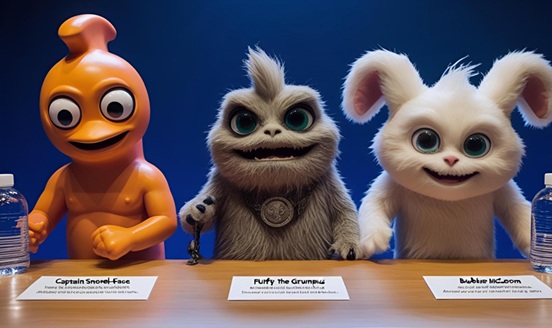
- Captain Snorkel-Face: Former lord of bath time, now replaced by YouTube Kids
- Fluffy the Grumpus: Resists urge to disrupt Wi-Fi signals
- Bubbles McZoom: Attempted to create a TikTok. Failed. Accidentally went viral.
Discussion takeaways:
- Can imaginary friends transition online without losing their identity?
- Do they need to unionize for improved bedtime story representation?
- Would a shared Google Calendar keep friendship relevant?
The debate came close to being canceled when one of the participants (an invisible giraffe wearing a sombrero) accidentally deleted the agenda while trying to learn how to type.
Using Dreamina to get back lost buddies
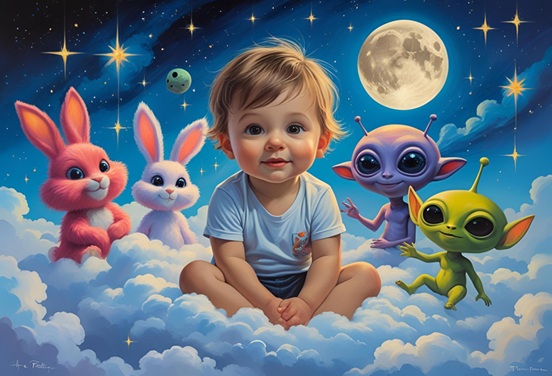
Let’s be honest—you probably don’t remember all the details about your imaginary friend. Was their hair blue or just blue when you were sad? Did they fly or teleport? That’s where Dreamina’s image generator becomes a rescue mission for memory.
By writing a rich prompt describing what you think you remember, you can create striking visuals of old pals. Try something like:
A forgotten childhood memory of an imaginary friend, half-wizard and half-panda, with a mismatched crown and raincoat constructed from stars, waving goodbye to a child through a misty window.”
Let the computer invoke the whimsy and strangeness you can’t quite put your finger on. And just like that, your imaginary friend has a new headshot for their conference badge.
Breakout session: the ethics of listening in on grown-ups
Imaginary friends used to be silent tag-alongs in all family fight drama, road trip monologues, and clandestine crush confessions. But today?
This breakout addresses:
- The ethics of recalling talks you weren’t allowed to
- When to step in with a conscience tap (or a post-it note on the mirror)
- Residing the transition from secret keeper to ghost of forgetfulness
Participants were invited to post anonymous ethical challenges, but one of the chairs told us they were tormented by a post-it that merely said, “They’re lying. Ask about the cookies.”
Official badges: logos for the lost and loyal
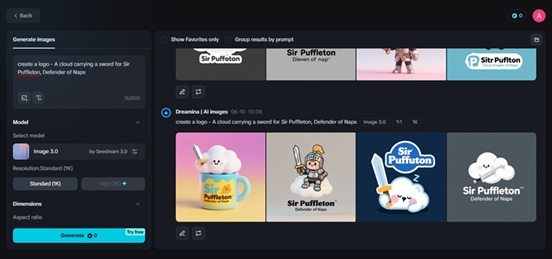
All conferences require badges—and all badges require branding. Dreamina’s AI logo generator allows you to create personalized logos for these abstract visitors.
Some of this year’s logo standouts:
- A cloud carrying a sword for Sir Puffleton, Defender of Naps
- A wingspanned melting ice cream cone for Sprinkle, the Melancholy Sundae
- A smiling sun with a broken crayon halo for Lumina, Goddess of Imaginary Light
These badges are printed (on invisible laminate), worn with pride (pinned to memory-lanyards), and graded in categories like “Most Persistently Remembered” and “Best Improvised Costume.”
Workshop: reconnecting through craft
In a warm, felt-padded side room, conference-goers learn to reappear in dreams or doodles with artistic techniques. For people on the outside, that is you, the adult reader, it means you get to create commemorative stickers with Dreamina’s sticker maker.
Picture:
- A “Certified Former Best Friend” sticker
- “Emotional Support Blob (Retired)”
- “Ask Me About Your Childhood” with googly eyes
Print them. Stick them on your laptop, journal, or fridge. Each sticker is a doorway, a smile from the past, a small badge of emotional continuity.

Closing ritual: the quiet parade of fading footsteps
At the close of the conference, there is a gentle custom. The Quiet Parade. No bands. Just the rustle of scribbles, abandoned lullabies, and wind chimes composed of lost giggles.
Each make-believe friend strolls a corridor lined with crayon artwork and fingerpaint history. They gesture. Some vanish halfway through a step. Others stay in doorways, hoping that their human will—just might—remember them.
Why this conference matters (even now)
Imaginary friends don’t construct your furniture or respond to your email, but they were your first co-authors in creating worlds. They teach you how to improvise, believe, sympathize, and tell stories.
Perhaps they’re still here, whispering narrative ideas or assisting with choosing goofy socks. Or perhaps they’ve merely been waiting for an invitation—to come back not as fictional, but as inspiration.
So craft their badges. Paint their portraits. Produce their stickers. The tools are now in your command, courtesy of Dreamina. And who knows? Perhaps next year, you’ll be the keynote at “Humans Who Remember.”
Just don’t forget your invisible name tag.