

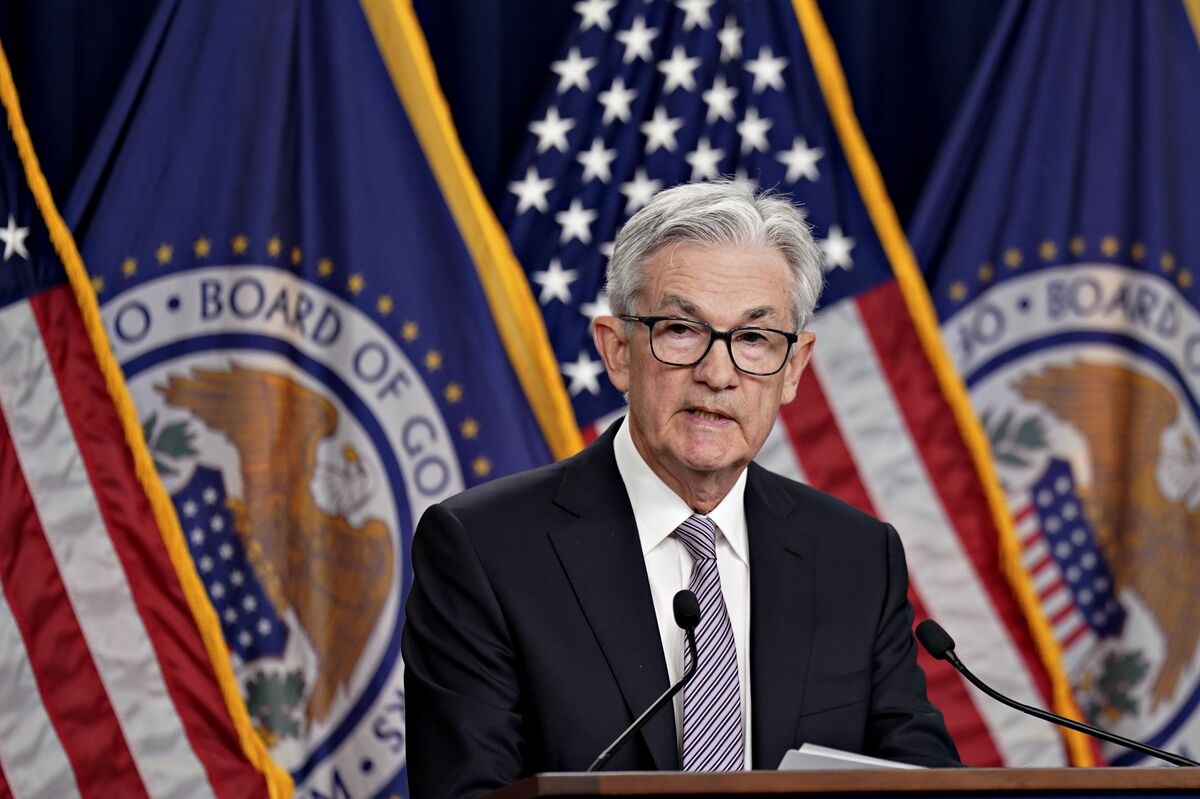
The Federal Reserve’s Federal Open Market Committee (FOMC) cut its key overnight borrowing rate by a quarter percentage point on Wednesday, fulfilling market expectations for a “hawkish cut”—a policy easing move accompanied by a cautious future outlook.
The decision, which places the federal funds rate in a new target range of 3.5%-3.75%, was passed by a highly fractured 9-3 vote, the largest number of dissents since September 2019, underscoring the deep split among policymakers.
The FOMC’s final decision of the year was based on a mandate to balance stubbornly elevated inflation against a weakening job market. The three dissenting votes clearly delineated the committee’s division.
Register for Tekedia Mini-MBA edition 20 (June 8 – Sept 5, 2026).
Register for Tekedia AI in Business Masterclass.
Join Tekedia Capital Syndicate and co-invest in great global startups.
Register for Tekedia AI Lab.
Governor Stephen Miran favored a steeper half-point reduction, arguing that the labor market weakness—where job gains have slowed, and the unemployment rate has edged up to 4.4%—required a more aggressive response. Regional Presidents Jeffrey Schmid (Kansas City) and Austan Goolsbee (Chicago) backed holding the rate unchanged, signaling their primary concern that inflation, still elevated, remains the greater risk.
The caution signal about the future path of policy was embedded in the rate statement, which repurposed language used a year ago to signal a pause: “In considering the extent and timing of additional adjustments to the target range for the federal funds rate, the Committee will carefully assess incoming data, the evolving outlook, and the balance of risks.”
This phrase, when used previously, signaled that the committee was likely done cutting for the time being.

The closely watched “dot plot” reinforced this cautious stance, with the median projection indicating just one cut in 2026 and another in 2027. Seven officials explicitly indicated they favor no cuts at all next year, while four nonvoting meeting participants registered “soft dissents” against the current cut, suggesting a majority of the 19 participants are hesitant to ease further without clear data.
Economic Backdrop and Policy Measures
Fed Chair Jerome Powell, at his post-meeting news conference, justified the cut by pointing to labor market concerns, noting that the reported 40,000 jobs added per month since April could be revised lower by as much as 60,000, implying the job market may actually be shedding workers. He stated, “We are well positioned to wait and see how the economy evolves,” adding that the current rate is likely at the high end of the “neutral” range.
The economic outlook was slightly more optimistic regarding growth, with the committee raising its collective view of Gross Domestic Product (GDP) growth for 2026 by half a percentage point, boosting its projection to 2.3%. However, the committee continues to expect inflation to remain above its 2% target until 2028, with the latest available PCE price index (the Fed’s preferred gauge) at 2.8% in September.

In a move to address pressures in overnight funding markets and maintain an “ample level of reserves,” the Fed also announced it will resume buying Treasury securities, following up on its decision to halt its balance sheet runoff this month. The central bank will initiate purchases of $40 billion in Treasury bills starting Friday, a program expected to remain elevated for a few months before being significantly reduced.
Political Pressure and Succession Risk
The decision comes as the Fed grapples with unprecedented political pressure, with Chair Powell nearing the end of his second term and President Donald Trump preparing to name his successor.
President Trump immediately criticized the quarter-point reduction as a “rather small number,” arguing the cut “could have been at least doubled” and calling Powell “a stiff.” Trump asserted that the Fed is “so afraid of inflation” that “they kill the growth,” and he signaled his intention to appoint a new chair committed to sharper rate cuts, not necessarily the Fed’s traditional dual mandate.
Trump confirmed he plans to interview former Fed Governor Kevin Warsh, one of the top contenders. However, prediction markets currently favor National Economic Council Director Kevin Hassett (72% chance) as the likely nominee, a choice that could heighten concerns over the central bank’s independence.
The market reaction was positive, with the Dow Jones Industrial Average rising 500 points and Treasury yields moving mostly lower, reflecting investor approval of the immediate cut despite the committee’s guarded outlook for 2026.