

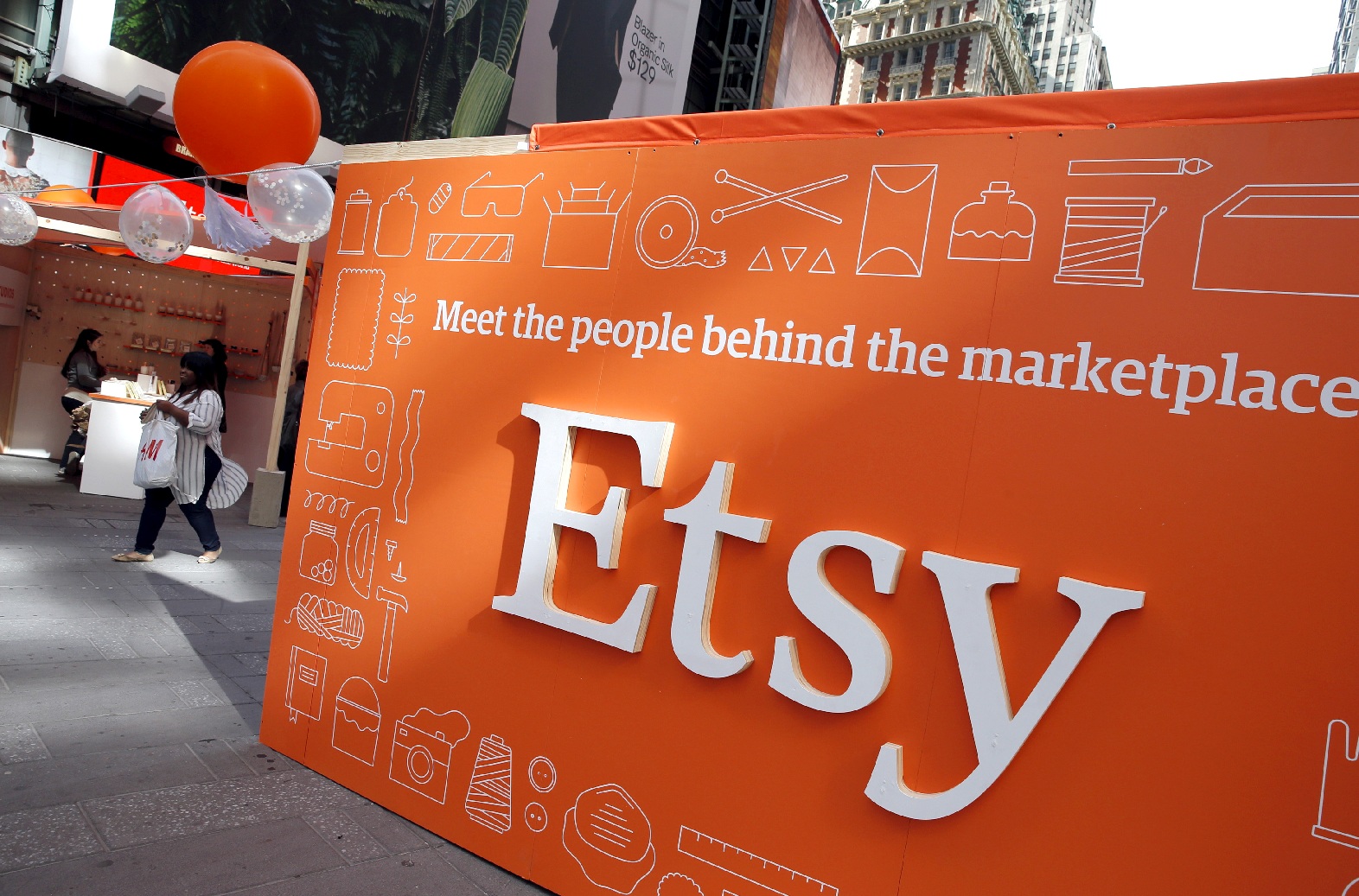
Etsy is expanding its artificial intelligence strategy by integrating with ChatGPT, a move that signals how aggressively online marketplaces are racing to embed generative AI into shopping, discovery, and seller operations as competition for digital consumers intensifies.
The partnership marks the latest step in Etsy’s broader transformation from a traditional handcrafted goods marketplace into a technology-driven commerce platform increasingly reliant on AI-powered personalization, automation, and search optimization.
The company’s growing AI ecosystem already includes an AI-driven product discovery experience built around curated collections, alongside tools that help sellers automatically generate product titles, descriptions, and customer messages. Etsy has also introduced systems designed to address one of the biggest tensions emerging across digital marketplaces: the explosion of AI-generated content and concerns about authenticity.
Register for the next Tekedia Mini-MBA.
Register for Tekedia AI in Business Masterclass.
Join Tekedia Capital Syndicate and co-invest in great global startups.
In 2024, the company rolled out a “Designed” label identifying AI-generated artwork and products, an attempt to improve transparency as generative AI increasingly floods online creative marketplaces with machine-produced designs, illustrations, and digital assets.
The latest ChatGPT integration places Etsy among a rapidly expanding group of companies building native applications within OpenAI’s ecosystem, reflecting the growing importance of conversational AI as a gateway for commerce, search, and consumer engagement.
Other companies integrating directly into ChatGPT include Angi, SeatGeek, Tubi, and Wix. The trend accelerated after OpenAI opened the platform to third-party app development in October, triggering a rush among consumer-facing businesses seeking visibility inside one of the world’s fastest-growing AI ecosystems.

The integration is about more than technological experimentation for Etsy. It comes at an important moment for the company after years of pressure tied to slowing e-commerce growth, shifting consumer spending patterns, and rising competition from mass-market retailers and low-cost overseas platforms.
The company reported first-quarter 2026 revenue of $631 million last week, beating Wall Street expectations. More significantly, Etsy said marketplace gross merchandise sales rose 6% year over year, while active buyers climbed to 86.6 million, marking the first increase in the metric in two years.
That buyer growth is especially important because investors have closely watched Etsy’s ability to retain and re-engage users after the pandemic-era e-commerce surge faded. During the Covid period, the company became one of the biggest beneficiaries of the online shopping boom, but later struggled as consumers shifted spending back toward travel, services, and physical retail.

The company also reported 5.6 million active sellers, underscoring the scale of the ecosystem Etsy is now trying to enhance through AI-assisted commerce tools.
Analysts say Etsy’s AI investments are aimed at solving several structural challenges simultaneously: helping buyers discover products faster, improving seller productivity, and defending the platform’s differentiation as generative AI reshapes online retail.
Search and discovery have become increasingly critical battlegrounds across e-commerce as consumers shift away from traditional keyword searches toward conversational interfaces and AI-generated recommendations. By integrating with ChatGPT, Etsy is positioning itself to capture traffic and shopping intent inside AI conversations, an area many technology and retail companies increasingly see as the next evolution of digital commerce.
The strategy also underpins growing fears among online platforms that AI assistants could eventually become gatekeepers controlling how consumers discover products, services, and content. Companies that fail to integrate into those ecosystems risk losing visibility as shopping behavior evolves.
At the same time, Etsy faces a delicate balancing act around AI adoption. The company’s brand has long been associated with handmade goods, independent creators, and human craftsmanship. The rapid rise of AI-generated art has created backlash among some sellers and buyers who fear marketplaces could become saturated with mass-produced machine content that undermines the authenticity on which Etsy built its reputation.
The “Designed” label introduced last year was widely viewed as an attempt to navigate that tension by allowing AI-assisted content while preserving transparency. Etsy’s broader restructuring efforts also suggest the company is sharpening its focus on its core marketplace business.
In February, Etsy announced the sale of Depop to eBay for $1.2 billion in cash, a move analysts interpreted as a retreat from diversification efforts in favor of concentrating resources on Etsy’s main platform and AI-led growth initiatives. The deal gave Etsy additional capital flexibility while reducing operational complexity at a time when technology companies are increasingly prioritizing efficiency, profitability, and AI investment.
The company now appears to be betting that artificial intelligence can help revive engagement and modernize the shopping experience without eroding the human-centered identity that differentiates Etsy from larger e-commerce rivals such as Amazon.