

A Zen Monk’s Guide to Tokyo’s Most Serene and Stunning Gardens

Quote from Alex Bobby on December 15, 2025, 6:22 AM
Explore Tokyo’s best gardens with Zen monk Shunmyo Masuno. From Edo-period landscapes to contemporary spaces, discover where to find calm, cherry blossoms, and mindful serenity in the city.
A Zen Monk’s Guide to the Best Gardens in Tokyo
Tokyo is a city that never slows down. Neon lights pulse into the night, subway crowds surge through labyrinthine stations, and the pace of life can feel relentless. Yet amid the urban rush, Tokyo harbors pockets of calm: its gardens. These green spaces, many dating back to the Edo period (1603–1868), were originally crafted not just for visual beauty but to provide spaces for reflection, contemplation, and the subtle rhythms of nature. Today, they offer a welcome escape from the city’s ceaseless energy.
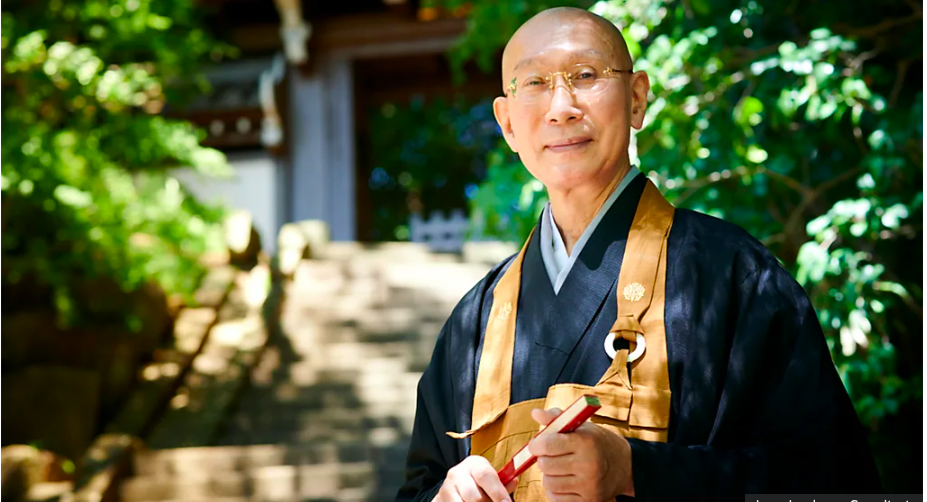
To explore the city’s most serene gardens, we spoke with Shunmyo Masuno, a Soto Zen monk, chief priest of Kenko-ji Temple, and one of Japan’s foremost contemporary garden designers. Masuno’s approach blends Zen philosophy with modern design principles, emphasizing harmony, simplicity, and mindfulness in every landscape.
“With the shogunate in Edo, feudal lords kept residences here and built landscaped estates,” Masuno explains. “Those have become today’s public gardens, carrying Edo culture forward even as the city races ahead.”
1. Hamarikyu Gardens – Edo Elegance by the Bay
Hamarikyu Gardens, located near Shiodome, is a quintessential example of Edo-era landscape design. The garden features a tidal pond connected to Tokyo Bay, meticulously raked sand patterns, and teahouses where visitors can enjoy matcha while overlooking tranquil water.
Masuno highlights the interplay of water, stone, and seasonal flora here. “The garden teaches you to notice change. In spring, cherry blossoms frame the pond; in winter, the bare branches echo the stillness of life,” he says.
Visitors can stroll along winding paths, pause at small pavilions, or take a short boat ride on the pond. Hamarikyu exemplifies how Edo-period gardens combined aesthetic refinement with meditative purpose.
2. Koishikawa Korakuen – Harmony of Nature and Structure
One of Tokyo’s oldest gardens, Koishikawa Korakuen blends Chinese and Japanese landscaping techniques. It features rolling hills, stone bridges, ponds, and teahouses. Masuno notes that the garden’s design encourages mindful movement: “Every turn, every step, offers a new perspective. It teaches you to slow down and observe the subtle details—the reflection of trees on water, the curve of a stone lantern.”
Spring and autumn are especially popular, when cherry blossoms and maple leaves provide a living canvas. The garden’s layout reflects the Edo-period fascination with miniaturizing scenic landscapes, creating the illusion of vastness within a compact urban space.
3. Shinjuku Gyoen – A Blend of Styles
Shinjuku Gyoen is a rare garden that combines Japanese traditional, English landscape, and French formal styles. Originally an imperial garden, it is now a public oasis in one of Tokyo’s busiest districts.
Masuno emphasises that Shinjuku Gyoen’s appeal lies in its diversity: “You can experience quiet contemplation in the Japanese garden section, then walk to a vast lawn where the English-style landscape opens the senses. It’s a reminder that peace can be found in multiple forms.”
The garden is also famous for cherry blossoms in spring and chrysanthemums in autumn, attracting photographers, families, and anyone seeking a break from the city’s noise.
4. Rikugien – Poetry in Landscape
Rikugien, in Bunkyo Ward, is celebrated for its strolling garden design and is often described as a living poem. The garden was constructed in the early 18th century and incorporates miniature landscapes inspired by classical Japanese literature.
Masuno encourages visitors to explore Rikugien slowly. “The garden tells stories. Stones, water, and trees are not just decorative—they convey narrative, rhythm, and emotion. Walking here is like reading a poem step by step.”
A central pond reflects carefully placed trees and islands, while lanterns and small hills create vistas that change with the seasons. Night illuminations in autumn add another dimension, blending natural beauty with quiet artistry.
5. Happo-en – Contemporary Serenity
Though smaller and more modern, Happo-en demonstrates how contemporary gardens can also embody Zen principles. Designed for weddings and events, it features meticulously pruned bonsai, koi ponds, and stone pathways. Masuno appreciates how the garden balances beauty with mindfulness: “Even in a space designed for celebrations, you can find moments to pause, breathe, and feel grounded.”
Zen Principles in Tokyo Gardens
Across Tokyo, Masuno points out that all great gardens share common Zen-inspired features: simplicity, asymmetry, natural materials, and attention to seasonal change. Stones represent mountains, water reflects life’s impermanence, and carefully pruned plants guide the eye and mind toward stillness.
“Gardens are teachers,” Masuno says. “They remind us to slow down, notice small details, and find harmony with the world around us. In a city that never stops, these gardens are essential lessons in mindfulness.”
Visitors are encouraged to walk slowly, observe closely, and allow themselves to experience each garden’s unique rhythm. Whether sitting by a pond, walking under cherry blossoms, or pausing at a teahouse, the act of presence is central to the garden experience.
Conclusion
Tokyo’s gardens are more than just beautiful green spaces—they are living classrooms for mindfulness, history, and art. From Edo-era treasures like Hamarikyu and Koishikawa Korakuen to versatile modern spaces like Happo-en, each garden invites visitors to step out of the city’s rush and into a world of reflection and calm. Shunmyo Masuno’s insights remind us that gardens are not merely aesthetic—they are instruments for cultivating awareness, patience, and inner peace.
Looking Forward
As Tokyo continues to evolve and urban density increases, its gardens will remain vital refuges for residents and travelers alike. Future generations of gardeners and designers, inspired by Masuno’s approach, are likely to create new spaces that blend tradition with innovation. For visitors, whether Japanese or international, the city’s gardens offer a timeless reminder: even amid neon lights and skyscrapers, there is always a place to breathe, pause, and connect with the natural world.
Explore Tokyo’s best gardens with Zen monk Shunmyo Masuno. From Edo-period landscapes to contemporary spaces, discover where to find calm, cherry blossoms, and mindful serenity in the city.
A Zen Monk’s Guide to the Best Gardens in Tokyo
Tokyo is a city that never slows down. Neon lights pulse into the night, subway crowds surge through labyrinthine stations, and the pace of life can feel relentless. Yet amid the urban rush, Tokyo harbors pockets of calm: its gardens. These green spaces, many dating back to the Edo period (1603–1868), were originally crafted not just for visual beauty but to provide spaces for reflection, contemplation, and the subtle rhythms of nature. Today, they offer a welcome escape from the city’s ceaseless energy.
To explore the city’s most serene gardens, we spoke with Shunmyo Masuno, a Soto Zen monk, chief priest of Kenko-ji Temple, and one of Japan’s foremost contemporary garden designers. Masuno’s approach blends Zen philosophy with modern design principles, emphasizing harmony, simplicity, and mindfulness in every landscape.
Register for Tekedia Mini-MBA edition 20 (June 8 – Sept 5, 2026).
Register for Tekedia AI in Business Masterclass.
Join Tekedia Capital Syndicate and co-invest in great global startups.
Register for Tekedia AI Lab.
“With the shogunate in Edo, feudal lords kept residences here and built landscaped estates,” Masuno explains. “Those have become today’s public gardens, carrying Edo culture forward even as the city races ahead.”
1. Hamarikyu Gardens – Edo Elegance by the Bay
Hamarikyu Gardens, located near Shiodome, is a quintessential example of Edo-era landscape design. The garden features a tidal pond connected to Tokyo Bay, meticulously raked sand patterns, and teahouses where visitors can enjoy matcha while overlooking tranquil water.
Masuno highlights the interplay of water, stone, and seasonal flora here. “The garden teaches you to notice change. In spring, cherry blossoms frame the pond; in winter, the bare branches echo the stillness of life,” he says.

Visitors can stroll along winding paths, pause at small pavilions, or take a short boat ride on the pond. Hamarikyu exemplifies how Edo-period gardens combined aesthetic refinement with meditative purpose.
2. Koishikawa Korakuen – Harmony of Nature and Structure
One of Tokyo’s oldest gardens, Koishikawa Korakuen blends Chinese and Japanese landscaping techniques. It features rolling hills, stone bridges, ponds, and teahouses. Masuno notes that the garden’s design encourages mindful movement: “Every turn, every step, offers a new perspective. It teaches you to slow down and observe the subtle details—the reflection of trees on water, the curve of a stone lantern.”
Spring and autumn are especially popular, when cherry blossoms and maple leaves provide a living canvas. The garden’s layout reflects the Edo-period fascination with miniaturizing scenic landscapes, creating the illusion of vastness within a compact urban space.

3. Shinjuku Gyoen – A Blend of Styles
Shinjuku Gyoen is a rare garden that combines Japanese traditional, English landscape, and French formal styles. Originally an imperial garden, it is now a public oasis in one of Tokyo’s busiest districts.
Masuno emphasises that Shinjuku Gyoen’s appeal lies in its diversity: “You can experience quiet contemplation in the Japanese garden section, then walk to a vast lawn where the English-style landscape opens the senses. It’s a reminder that peace can be found in multiple forms.”
The garden is also famous for cherry blossoms in spring and chrysanthemums in autumn, attracting photographers, families, and anyone seeking a break from the city’s noise.
4. Rikugien – Poetry in Landscape
Rikugien, in Bunkyo Ward, is celebrated for its strolling garden design and is often described as a living poem. The garden was constructed in the early 18th century and incorporates miniature landscapes inspired by classical Japanese literature.
Masuno encourages visitors to explore Rikugien slowly. “The garden tells stories. Stones, water, and trees are not just decorative—they convey narrative, rhythm, and emotion. Walking here is like reading a poem step by step.”
A central pond reflects carefully placed trees and islands, while lanterns and small hills create vistas that change with the seasons. Night illuminations in autumn add another dimension, blending natural beauty with quiet artistry.
5. Happo-en – Contemporary Serenity
Though smaller and more modern, Happo-en demonstrates how contemporary gardens can also embody Zen principles. Designed for weddings and events, it features meticulously pruned bonsai, koi ponds, and stone pathways. Masuno appreciates how the garden balances beauty with mindfulness: “Even in a space designed for celebrations, you can find moments to pause, breathe, and feel grounded.”
Zen Principles in Tokyo Gardens
Across Tokyo, Masuno points out that all great gardens share common Zen-inspired features: simplicity, asymmetry, natural materials, and attention to seasonal change. Stones represent mountains, water reflects life’s impermanence, and carefully pruned plants guide the eye and mind toward stillness.
“Gardens are teachers,” Masuno says. “They remind us to slow down, notice small details, and find harmony with the world around us. In a city that never stops, these gardens are essential lessons in mindfulness.”
Visitors are encouraged to walk slowly, observe closely, and allow themselves to experience each garden’s unique rhythm. Whether sitting by a pond, walking under cherry blossoms, or pausing at a teahouse, the act of presence is central to the garden experience.
Conclusion
Tokyo’s gardens are more than just beautiful green spaces—they are living classrooms for mindfulness, history, and art. From Edo-era treasures like Hamarikyu and Koishikawa Korakuen to versatile modern spaces like Happo-en, each garden invites visitors to step out of the city’s rush and into a world of reflection and calm. Shunmyo Masuno’s insights remind us that gardens are not merely aesthetic—they are instruments for cultivating awareness, patience, and inner peace.
Looking Forward
As Tokyo continues to evolve and urban density increases, its gardens will remain vital refuges for residents and travelers alike. Future generations of gardeners and designers, inspired by Masuno’s approach, are likely to create new spaces that blend tradition with innovation. For visitors, whether Japanese or international, the city’s gardens offer a timeless reminder: even amid neon lights and skyscrapers, there is always a place to breathe, pause, and connect with the natural world.
Uploaded files:Share this:
- Click to share on Facebook (Opens in new window) Facebook
- Click to share on X (Opens in new window) X
- Click to share on WhatsApp (Opens in new window) WhatsApp
- Click to share on LinkedIn (Opens in new window) LinkedIn
- Click to email a link to a friend (Opens in new window) Email
- Click to print (Opens in new window) Print