

Shell Faces First UK Climate Lawsuit Over Role in Deadly Philippines Typhoon

Quote from Alex Bobby on December 15, 2025, 5:42 AM
Victims of Typhoon Rai have filed a landmark UK legal claim against Shell, accusing the oil giant of contributing to climate change that intensified the deadly storm.
For survivors of one of the deadliest storms to hit the Philippines in recent years, the search for justice has crossed continents. A group of victims of Typhoon Rai, known locally as Odette, have filed a legal claim against oil and gas giant Shell in the UK courts, arguing that the company’s contribution to climate change made the storm more severe and more destructive. It is believed to be the first case of its kind brought in Britain against a major fossil fuel producer over the climate impacts of its products.
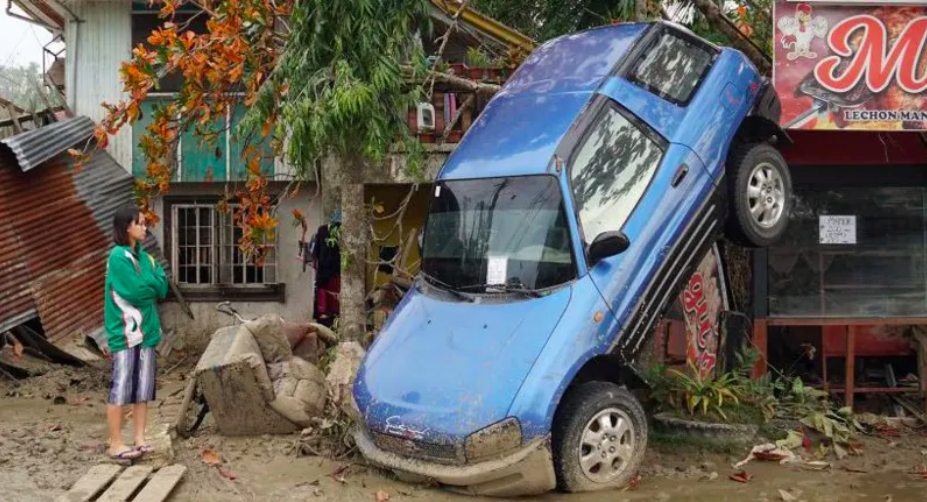
Typhoon Rai tore through the central and southern Philippines just before Christmas in 2021, killing around 400 people and devastating communities already vulnerable to extreme weather. With winds gusting up to 170mph (270km/h), the storm flattened homes, destroyed livelihoods and displaced hundreds of thousands of people. Entire villages were left in ruins, and millions of families faced long-term disruption.
Now, more than two years on, 103 survivors are taking unprecedented legal action against Shell, the UK’s largest oil company. They are seeking compensation, arguing that Shell’s historic and ongoing greenhouse gas emissions played a role in making Typhoon Rai more likely and more damaging.
A storm that changed lives
Among the claimants is Trixy Elle, a fish vendor from Batasan island. When the typhoon struck, she and her family were forced to flee their home as violent winds and surging waves engulfed their community. Speaking from the Philippines, Trixy described the terror of the night they almost lost everything.
“So we have to swim in the middle of big waves, heavy rains, strong winds,” she said. “That’s why my father said that we will hold our hands together, if we survive, we survive, but if we will die, we will die together.”
Trixy survived, but her home and livelihood did not. Like many others affected by the storm, she has struggled to rebuild her life in the aftermath of a disaster that scientists say was intensified by climate change.
Typhoon Rai was the most powerful storm to hit the Philippines in 2021, striking unusually late in the season and rapidly intensifying before landfall. Climate experts have long warned that warmer ocean temperatures—driven by rising global emissions—can fuel stronger and more destructive tropical storms.
The legal case against Shell
The claim against Shell argues that the company bears partial responsibility for the climate crisis through decades of fossil fuel extraction, production and sales. The claimants say Shell knew, or should have known, about the link between carbon emissions and global warming, yet continued to expand its oil and gas operations.
Their legal action does not claim that Shell alone caused Typhoon Rai. Instead, it argues that the company’s emissions significantly contributed to climate change, which in turn increased the severity of extreme weather events such as Rai. On that basis, the claimants are seeking damages for loss of life, homes and livelihoods.
Legal experts say the case represents a major escalation in climate litigation. While lawsuits against fossil fuel companies have been filed in the United States and other jurisdictions, claims directly linking corporate emissions to specific climate disasters remain rare—particularly in UK courts.
If allowed to proceed, the case could set a powerful precedent, opening the door to further claims against energy companies for climate-related harms suffered far from where those companies are based.
Shell’s response
Shell has strongly rejected the allegations, describing the claim as “baseless.” The company has denied that it had unique or early knowledge that carbon emissions drive climate change, and argues that responsibility for global emissions cannot be attributed to any single company.
In previous statements, Shell has said that climate change is a global issue requiring coordinated action by governments, businesses and consumers, rather than litigation targeting individual firms. The company also points to its investments in renewable energy and its stated goal of reaching net-zero emissions by 2050.
Critics, however, argue that such pledges do little to address the damage already caused, particularly in climate-vulnerable countries like the Philippines, which contribute relatively little to global emissions but suffer disproportionately from their effects.
A broader fight for accountability
The Philippines is among the countries most exposed to climate-related disasters, experiencing frequent typhoons, flooding and rising sea levels. For campaigners, the case against Shell highlights what they describe as a deep injustice at the heart of the climate crisis: those least responsible often pay the highest price.
Human rights and environmental groups supporting the claim say it is about more than compensation. They argue it is an attempt to force greater accountability from fossil fuel companies and to recognise the real-world consequences of decades of emissions.
The case also reflects a growing global movement to use the courts as a tool for climate action, particularly as political progress on reducing emissions remains slow. From youth-led lawsuits against governments to community claims against corporations, climate litigation is increasingly seen as a way to shift responsibility and accelerate change.
What comes next
The claim against Shell is still at an early stage, and significant legal hurdles remain. Proving a direct link between a company’s emissions and a specific weather event is complex, and Shell is expected to robustly defend the case.
Yet for survivors like Trixy Elle, the legal battle is already about being heard. “We lost everything,” she says. “This storm changed our lives.”
As the UK courts consider whether the case can proceed, the outcome could resonate far beyond the Philippines. If successful, it may mark a turning point in how climate harm is addressed—and who is held responsible—signalling a new era of legal accountability for the fossil fuel industry.
Final Thought
The case against Shell underscores a growing global reckoning over who should bear responsibility for the accelerating impacts of climate change. As communities like those devastated by Typhoon Rai seek justice beyond borders, the lawsuit reflects a broader demand for accountability from powerful corporations whose activities have shaped the modern climate crisis. Regardless of the legal outcome, the claim sends a clear message: the human cost of fossil fuels can no longer be treated as distant or abstract, and the voices of those most affected are increasingly finding their way into courtrooms around the world.
Victims of Typhoon Rai have filed a landmark UK legal claim against Shell, accusing the oil giant of contributing to climate change that intensified the deadly storm.
For survivors of one of the deadliest storms to hit the Philippines in recent years, the search for justice has crossed continents. A group of victims of Typhoon Rai, known locally as Odette, have filed a legal claim against oil and gas giant Shell in the UK courts, arguing that the company’s contribution to climate change made the storm more severe and more destructive. It is believed to be the first case of its kind brought in Britain against a major fossil fuel producer over the climate impacts of its products.
Typhoon Rai tore through the central and southern Philippines just before Christmas in 2021, killing around 400 people and devastating communities already vulnerable to extreme weather. With winds gusting up to 170mph (270km/h), the storm flattened homes, destroyed livelihoods and displaced hundreds of thousands of people. Entire villages were left in ruins, and millions of families faced long-term disruption.
Now, more than two years on, 103 survivors are taking unprecedented legal action against Shell, the UK’s largest oil company. They are seeking compensation, arguing that Shell’s historic and ongoing greenhouse gas emissions played a role in making Typhoon Rai more likely and more damaging.
Register for Tekedia Mini-MBA edition 20 (June 8 – Sept 5, 2026).
Register for Tekedia AI in Business Masterclass.
Join Tekedia Capital Syndicate and co-invest in great global startups.
Register for Tekedia AI Lab.
A storm that changed lives
Among the claimants is Trixy Elle, a fish vendor from Batasan island. When the typhoon struck, she and her family were forced to flee their home as violent winds and surging waves engulfed their community. Speaking from the Philippines, Trixy described the terror of the night they almost lost everything.
“So we have to swim in the middle of big waves, heavy rains, strong winds,” she said. “That’s why my father said that we will hold our hands together, if we survive, we survive, but if we will die, we will die together.”

Trixy survived, but her home and livelihood did not. Like many others affected by the storm, she has struggled to rebuild her life in the aftermath of a disaster that scientists say was intensified by climate change.
Typhoon Rai was the most powerful storm to hit the Philippines in 2021, striking unusually late in the season and rapidly intensifying before landfall. Climate experts have long warned that warmer ocean temperatures—driven by rising global emissions—can fuel stronger and more destructive tropical storms.
The legal case against Shell

The claim against Shell argues that the company bears partial responsibility for the climate crisis through decades of fossil fuel extraction, production and sales. The claimants say Shell knew, or should have known, about the link between carbon emissions and global warming, yet continued to expand its oil and gas operations.
Their legal action does not claim that Shell alone caused Typhoon Rai. Instead, it argues that the company’s emissions significantly contributed to climate change, which in turn increased the severity of extreme weather events such as Rai. On that basis, the claimants are seeking damages for loss of life, homes and livelihoods.
Legal experts say the case represents a major escalation in climate litigation. While lawsuits against fossil fuel companies have been filed in the United States and other jurisdictions, claims directly linking corporate emissions to specific climate disasters remain rare—particularly in UK courts.
If allowed to proceed, the case could set a powerful precedent, opening the door to further claims against energy companies for climate-related harms suffered far from where those companies are based.
Shell’s response
Shell has strongly rejected the allegations, describing the claim as “baseless.” The company has denied that it had unique or early knowledge that carbon emissions drive climate change, and argues that responsibility for global emissions cannot be attributed to any single company.
In previous statements, Shell has said that climate change is a global issue requiring coordinated action by governments, businesses and consumers, rather than litigation targeting individual firms. The company also points to its investments in renewable energy and its stated goal of reaching net-zero emissions by 2050.
Critics, however, argue that such pledges do little to address the damage already caused, particularly in climate-vulnerable countries like the Philippines, which contribute relatively little to global emissions but suffer disproportionately from their effects.
A broader fight for accountability
The Philippines is among the countries most exposed to climate-related disasters, experiencing frequent typhoons, flooding and rising sea levels. For campaigners, the case against Shell highlights what they describe as a deep injustice at the heart of the climate crisis: those least responsible often pay the highest price.
Human rights and environmental groups supporting the claim say it is about more than compensation. They argue it is an attempt to force greater accountability from fossil fuel companies and to recognise the real-world consequences of decades of emissions.
The case also reflects a growing global movement to use the courts as a tool for climate action, particularly as political progress on reducing emissions remains slow. From youth-led lawsuits against governments to community claims against corporations, climate litigation is increasingly seen as a way to shift responsibility and accelerate change.
What comes next
The claim against Shell is still at an early stage, and significant legal hurdles remain. Proving a direct link between a company’s emissions and a specific weather event is complex, and Shell is expected to robustly defend the case.
Yet for survivors like Trixy Elle, the legal battle is already about being heard. “We lost everything,” she says. “This storm changed our lives.”
As the UK courts consider whether the case can proceed, the outcome could resonate far beyond the Philippines. If successful, it may mark a turning point in how climate harm is addressed—and who is held responsible—signalling a new era of legal accountability for the fossil fuel industry.
Final Thought
The case against Shell underscores a growing global reckoning over who should bear responsibility for the accelerating impacts of climate change. As communities like those devastated by Typhoon Rai seek justice beyond borders, the lawsuit reflects a broader demand for accountability from powerful corporations whose activities have shaped the modern climate crisis. Regardless of the legal outcome, the claim sends a clear message: the human cost of fossil fuels can no longer be treated as distant or abstract, and the voices of those most affected are increasingly finding their way into courtrooms around the world.
Uploaded files:Share this:
- Click to share on Facebook (Opens in new window) Facebook
- Click to share on X (Opens in new window) X
- Click to share on WhatsApp (Opens in new window) WhatsApp
- Click to share on LinkedIn (Opens in new window) LinkedIn
- Click to email a link to a friend (Opens in new window) Email
- Click to print (Opens in new window) Print