

Canadians Boycott US Holidays: Where Travelers Are Heading Instead in 2025

Quote from Alex Bobby on December 15, 2025, 5:59 AMWith Canadians boycotting US holidays, tourism is shifting to domestic destinations, the Caribbean, and Europe, reshaping travel patterns and boosting the Canadian economy.
Canadians Turn Away from US Holidays: Where They’re Heading Instead
For decades, Canadians have been the lifeblood of US tourism. In 2024, they made up 28% of all foreign visitors to the United States, consistently ranking as the top source of international tourists. But over the past year, a striking shift has occurred. In response to US President Donald Trump’s sweeping tariffs on Canadian goods—and his tongue-in-cheek suggestion that Canada should become the US’s 51st state—many Canadians have adopted an unofficial “elbows up” approach, a hockey term implying a hard push back. The result: a boycott of US holidays that is now entering its twelfth consecutive month.
According to the US Travel Association (USTA), inbound Canadian travel to the US has fallen 23% year-to-date (January to October 2025), equating to an estimated $4 billion (£3 billion) in lost revenue compared to the previous year. Roughly four million fewer Canadians have crossed the border this year alone. This decline has caused concern among US tourism operators, who have long relied on their northern neighbors, particularly for winter ski trips, shopping excursions, and long weekends in major cities like New York, Las Vegas, and Miami.
But while travel to the US has slowed, Canadians are far from staying home. Instead, they are redirecting their vacations—and their spending—elsewhere, signaling a significant change in travel patterns.
Staying closer to home
One of the most notable trends is a renewed focus on domestic travel. Travel writers and content creators like Emilie Brillon have embraced Canada’s natural beauty and cultural attractions in place of US destinations. Brillon, who previously covered road trips across both Canada and the US, decided last March to focus exclusively on domestic travel. She even canceled a planned family trip to the Grand Canyon in April 2025, choosing instead to invest that vacation budget into Canadian tourism.
“I used to cover road trips across both Canada and the US,” Brillon said. “But last March I made a conscious shift to focus solely on Canada. We even cancelled a planned family trip to the Grand Canyon in April 2025 and chose to redirect that budget into the Canadian economy instead.”
Cities like Montreal, Vancouver, and Toronto are seeing a boost in visitors, while national parks and natural attractions from Banff and Jasper to Gros Morne and Prince Edward Island are experiencing a surge in domestic tourism. The shift isn’t purely political; Canadians are discovering that they can enjoy world-class experiences without leaving their country, from luxury retreats and culinary tours to outdoor adventures in pristine landscapes.
Exploring beyond borders
For those seeking international travel beyond the US, Europe and Asia have emerged as popular alternatives. Short-haul destinations like Mexico, the Caribbean, and Central America are benefiting from Canadians looking for warmer climates without crossing the US border. Caribbean islands such as Barbados, Jamaica, and the Dominican Republic are reporting increases in Canadian visitors, with many flights booked directly from Canadian airports to avoid transiting through US hubs.
Similarly, European travel is on the rise. Countries like France, Italy, and Portugal are seeing more Canadian tourists, particularly those drawn to culture, history, and culinary experiences. Travel agencies have noted that Canadians are booking longer stays in Europe, often combining city visits with countryside exploration.
Asia has also benefited, though to a lesser extent due to distance and cost. Thailand, Japan, and Vietnam are gaining popularity among Canadian travelers looking for unique cultural experiences, adventure tourism, and tropical getaways.
The economic impact
The boycott of US travel is not only changing where Canadians go—it’s also reshaping economic flows. According to the USTA, the estimated $4 billion loss in Canadian tourist spending has been felt across hotels, restaurants, retail outlets, and entertainment venues in the US. Meanwhile, the Canadian tourism sector has seen a noticeable uptick in revenue, with domestic hotels and resorts reporting higher occupancy rates and longer stays.
Travel economists suggest that this shift may have long-term implications. “If Canadians continue to explore domestic and alternative international destinations, it could permanently alter North American tourism dynamics,” says Mark Trevors, a senior analyst at the Canadian Travel Research Institute. “The US has relied heavily on Canadian tourists for decades. This boycott could accelerate diversification in Canadian travel patterns and spending.”
Political and cultural influence
The boycott also reflects a larger sentiment of national pride and self-reliance. Former Prime Minister Justin Trudeau and other Canadian leaders have encouraged citizens to explore and support domestic tourism, framing it as both an economic and patriotic choice. While the US tariffs and political remarks initially sparked outrage, the sustained shift indicates that Canadians are willing to vote with their wallets and travel plans.
Social media has played a role in amplifying this trend. Travel influencers and bloggers have highlighted Canadian destinations, creating a sense of excitement around road trips, national parks, and hidden gems that many Canadians may have overlooked. This digital promotion has helped normalize the decision to skip US holidays, making it a cultural movement as much as a political statement.
Looking ahead
As we approach the 2025 holiday season, the trend shows no signs of slowing. Canadians appear poised to continue exploring their own country and seeking international destinations beyond the US. For US tourism operators, the decline in Canadian visitors may prompt a reassessment of marketing strategies and the need to diversify their visitor base.
For Canadians themselves, the boycott has opened up new opportunities for discovery. From the rugged coastlines of Newfoundland to the vibrant urban culture of Toronto, and from tropical Caribbean islands to the historic streets of Europe, Canadians are charting new travel paths—sometimes just across the street, sometimes across the globe.
In choosing where to travel, Canadians are not only responding to politics—they’re embracing the chance to explore more, spend differently, and rediscover the world on their own terms.
With Canadians boycotting US holidays, tourism is shifting to domestic destinations, the Caribbean, and Europe, reshaping travel patterns and boosting the Canadian economy.
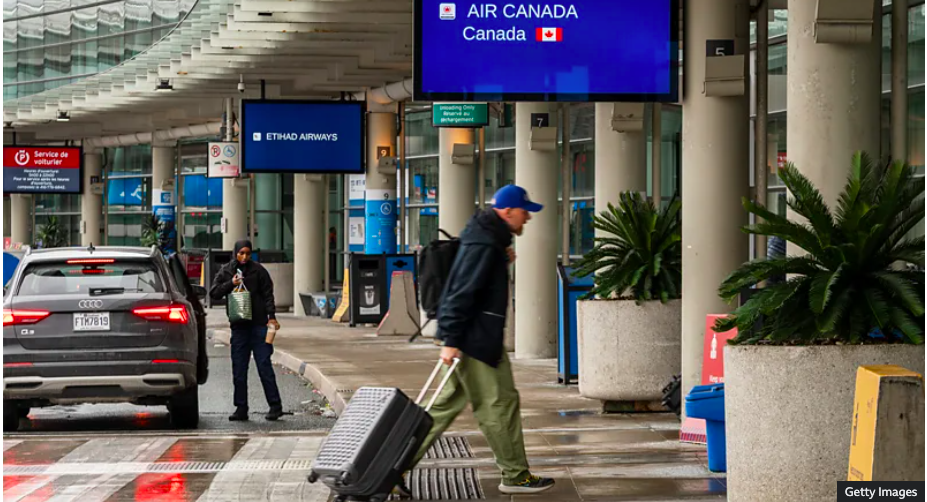
Canadians Turn Away from US Holidays: Where They’re Heading Instead
For decades, Canadians have been the lifeblood of US tourism. In 2024, they made up 28% of all foreign visitors to the United States, consistently ranking as the top source of international tourists. But over the past year, a striking shift has occurred. In response to US President Donald Trump’s sweeping tariffs on Canadian goods—and his tongue-in-cheek suggestion that Canada should become the US’s 51st state—many Canadians have adopted an unofficial “elbows up” approach, a hockey term implying a hard push back. The result: a boycott of US holidays that is now entering its twelfth consecutive month.
According to the US Travel Association (USTA), inbound Canadian travel to the US has fallen 23% year-to-date (January to October 2025), equating to an estimated $4 billion (£3 billion) in lost revenue compared to the previous year. Roughly four million fewer Canadians have crossed the border this year alone. This decline has caused concern among US tourism operators, who have long relied on their northern neighbors, particularly for winter ski trips, shopping excursions, and long weekends in major cities like New York, Las Vegas, and Miami.
Register for Tekedia Mini-MBA edition 20 (June 8 – Sept 5, 2026).
Register for Tekedia AI in Business Masterclass.
Join Tekedia Capital Syndicate and co-invest in great global startups.
Register for Tekedia AI Lab.
But while travel to the US has slowed, Canadians are far from staying home. Instead, they are redirecting their vacations—and their spending—elsewhere, signaling a significant change in travel patterns.
Staying closer to home
One of the most notable trends is a renewed focus on domestic travel. Travel writers and content creators like Emilie Brillon have embraced Canada’s natural beauty and cultural attractions in place of US destinations. Brillon, who previously covered road trips across both Canada and the US, decided last March to focus exclusively on domestic travel. She even canceled a planned family trip to the Grand Canyon in April 2025, choosing instead to invest that vacation budget into Canadian tourism.
“I used to cover road trips across both Canada and the US,” Brillon said. “But last March I made a conscious shift to focus solely on Canada. We even cancelled a planned family trip to the Grand Canyon in April 2025 and chose to redirect that budget into the Canadian economy instead.”

Cities like Montreal, Vancouver, and Toronto are seeing a boost in visitors, while national parks and natural attractions from Banff and Jasper to Gros Morne and Prince Edward Island are experiencing a surge in domestic tourism. The shift isn’t purely political; Canadians are discovering that they can enjoy world-class experiences without leaving their country, from luxury retreats and culinary tours to outdoor adventures in pristine landscapes.
Exploring beyond borders
For those seeking international travel beyond the US, Europe and Asia have emerged as popular alternatives. Short-haul destinations like Mexico, the Caribbean, and Central America are benefiting from Canadians looking for warmer climates without crossing the US border. Caribbean islands such as Barbados, Jamaica, and the Dominican Republic are reporting increases in Canadian visitors, with many flights booked directly from Canadian airports to avoid transiting through US hubs.
Similarly, European travel is on the rise. Countries like France, Italy, and Portugal are seeing more Canadian tourists, particularly those drawn to culture, history, and culinary experiences. Travel agencies have noted that Canadians are booking longer stays in Europe, often combining city visits with countryside exploration.

Asia has also benefited, though to a lesser extent due to distance and cost. Thailand, Japan, and Vietnam are gaining popularity among Canadian travelers looking for unique cultural experiences, adventure tourism, and tropical getaways.
The economic impact
The boycott of US travel is not only changing where Canadians go—it’s also reshaping economic flows. According to the USTA, the estimated $4 billion loss in Canadian tourist spending has been felt across hotels, restaurants, retail outlets, and entertainment venues in the US. Meanwhile, the Canadian tourism sector has seen a noticeable uptick in revenue, with domestic hotels and resorts reporting higher occupancy rates and longer stays.
Travel economists suggest that this shift may have long-term implications. “If Canadians continue to explore domestic and alternative international destinations, it could permanently alter North American tourism dynamics,” says Mark Trevors, a senior analyst at the Canadian Travel Research Institute. “The US has relied heavily on Canadian tourists for decades. This boycott could accelerate diversification in Canadian travel patterns and spending.”
Political and cultural influence
The boycott also reflects a larger sentiment of national pride and self-reliance. Former Prime Minister Justin Trudeau and other Canadian leaders have encouraged citizens to explore and support domestic tourism, framing it as both an economic and patriotic choice. While the US tariffs and political remarks initially sparked outrage, the sustained shift indicates that Canadians are willing to vote with their wallets and travel plans.
Social media has played a role in amplifying this trend. Travel influencers and bloggers have highlighted Canadian destinations, creating a sense of excitement around road trips, national parks, and hidden gems that many Canadians may have overlooked. This digital promotion has helped normalize the decision to skip US holidays, making it a cultural movement as much as a political statement.
Looking ahead
As we approach the 2025 holiday season, the trend shows no signs of slowing. Canadians appear poised to continue exploring their own country and seeking international destinations beyond the US. For US tourism operators, the decline in Canadian visitors may prompt a reassessment of marketing strategies and the need to diversify their visitor base.
For Canadians themselves, the boycott has opened up new opportunities for discovery. From the rugged coastlines of Newfoundland to the vibrant urban culture of Toronto, and from tropical Caribbean islands to the historic streets of Europe, Canadians are charting new travel paths—sometimes just across the street, sometimes across the globe.
In choosing where to travel, Canadians are not only responding to politics—they’re embracing the chance to explore more, spend differently, and rediscover the world on their own terms.
Uploaded files:Share this:
- Click to share on Facebook (Opens in new window) Facebook
- Click to share on X (Opens in new window) X
- Click to share on WhatsApp (Opens in new window) WhatsApp
- Click to share on LinkedIn (Opens in new window) LinkedIn
- Click to email a link to a friend (Opens in new window) Email
- Click to print (Opens in new window) Print