

Jimmy Lai Convicted: Landmark Hong Kong National Security Trial Raises Press Freedom Fears

Quote from Alex Bobby on December 15, 2025, 5:24 AMHong Kong media tycoon and Apple Daily founder Jimmy Lai has been convicted in a landmark national security trial, raising global concerns over press freedom and judicial independence.
Hong Kong Media Tycoon Jimmy Lai Convicted in Landmark National Security Trial
Jimmy Lai, the 78-year-old founder of the now-defunct pro-democracy newspaper Apple Daily, has been convicted in a landmark national security trial that could see him spend the rest of his life in prison. The verdict marks one of the most significant prosecutions under Hong Kong’s Beijing-imposed national security law and has sent shockwaves through international media, political and human rights circles.
On Monday, three government-vetted judges found Lai guilty of conspiring to collude with foreign forces to endanger national security, as well as conspiracy to publish seditious articles. Lai pleaded not guilty to all charges. The trial was conducted without a jury, a provision allowed under the national security law, further fuelling concerns about the erosion of judicial norms in the former British colony.
Lai, a long-time critic of Beijing and a prominent supporter of Hong Kong’s pro-democracy movement, was arrested in August 2020 following the enactment of the national security law. The legislation was introduced in the wake of the massive anti-government protests that swept the city in 2019, and it has since been used to prosecute dozens of activists, politicians and journalists.
At the centre of the case was Apple Daily, the outspoken tabloid Lai co-founded and turned into one of Hong Kong’s most influential pro-democracy media outlets. For years, the paper published hard-hitting criticism of the Hong Kong government and China’s Communist Party leadership. In 2021, the newspaper was forced to shut down after police raided its newsroom, arrested senior journalists and froze the company’s assets, making it financially impossible to operate.
Reading from an 855-page verdict, Judge Esther Toh said Lai had extended a “constant invitation” to the United States to help bring down the Chinese government under the pretext of supporting Hong Kong’s freedoms. The judges ruled that Lai’s actions amounted to a sustained effort to undermine Beijing’s authority and destabilise the ruling Chinese Communist Party.
Lai’s legal team acknowledged during the trial that he had publicly called for foreign sanctions on Hong Kong officials before the national security law came into force. However, they argued that he ceased making such calls afterward in order to comply with the new legislation. The judges rejected this argument, concluding that Lai had never abandoned his intentions and had simply adjusted his rhetoric to be “less explicit.”
Prosecutors accused Lai of conspiring with senior executives at Apple Daily and other associates to urge foreign governments to impose sanctions, blockades or other hostile measures against Hong Kong and China. As part of their evidence, they highlighted Lai’s high-profile meetings with former US Vice President Mike Pence and former Secretary of State Mike Pompeo in July 2019, at the height of the pro-democracy protests.
The prosecution also presented 161 publications, including Apple Daily articles, alongside social media posts and private text messages, to argue that Lai used his media platform to promote foreign intervention and incite hostility against the authorities. Over the course of a 156-day trial, the court examined these materials in detail, framing them as part of a broader conspiracy rather than isolated expressions of opinion.
The verdict has been closely watched by governments and political observers around the world as a litmus test for media freedom and judicial independence in Hong Kong, which returned to Chinese rule in 1997 under the “one country, two systems” framework. Critics argue that Lai’s conviction underscores how far the city has moved away from the civil liberties it once enjoyed.
The case also carries significant diplomatic implications. Lai holds British citizenship, and UK Prime Minister Keir Starmer said his government has made securing Lai’s release a priority. In the United States, President Donald Trump confirmed that he has raised Lai’s case with Chinese officials, reflecting bipartisan concern in Washington over Hong Kong’s political trajectory.
Human rights organisations and press freedom groups were quick to denounce the verdict. They argue that Lai is being punished not for genuine national security threats, but for his political beliefs and for running a newspaper that challenged those in power. Many see the conviction as part of a broader campaign to silence dissent and dismantle independent journalism in Hong Kong.
Beijing and Hong Kong authorities, however, maintain that the national security law is necessary to restore stability and that no one is above the law. They insist that Lai’s prosecution was based on evidence and conducted in accordance with legal procedures, dismissing claims that the trial was politically motivated.
As Lai awaits sentencing, with life imprisonment a possibility, his conviction stands as a defining moment in Hong Kong’s post-2019 era. For supporters, he has become a symbol of resistance and the cost of speaking out. For critics of the pro-democracy movement, he represents an example of what authorities describe as foreign-backed subversion. Either way, the outcome of his case will continue to resonate far beyond Hong Kong’s borders, shaping global perceptions of the city’s future as an international hub for free media and the rule of law.
Looking Forward
As Jimmy Lai awaits sentencing, his conviction is likely to have lasting consequences for Hong Kong and beyond. The case is expected to intensify international scrutiny of the city’s legal system, particularly the use of the national security law against journalists and media owners. Governments in the West may continue to raise Lai’s imprisonment in diplomatic talks with Beijing, potentially complicating already strained relations with China.
Within Hong Kong, the verdict is likely to deepen self-censorship among journalists and media organisations, as the boundaries of permissible reporting appear increasingly narrow. At the same time, Lai’s case may strengthen calls from rights groups and press freedom advocates for greater protection of journalists worldwide. Whether it becomes a catalyst for renewed international pressure or a cautionary tale that chills dissent, the outcome of Jimmy Lai’s trial will remain a defining reference point in discussions about media freedom, rule of law and political expression in Hong Kong’s future.
Hong Kong media tycoon and Apple Daily founder Jimmy Lai has been convicted in a landmark national security trial, raising global concerns over press freedom and judicial independence.
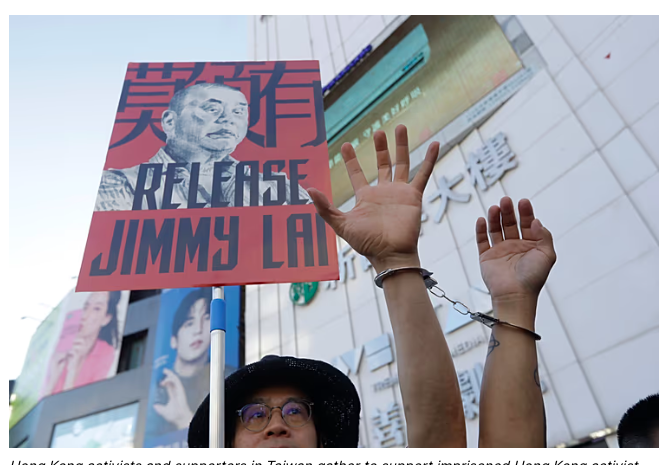
Hong Kong Media Tycoon Jimmy Lai Convicted in Landmark National Security Trial
Jimmy Lai, the 78-year-old founder of the now-defunct pro-democracy newspaper Apple Daily, has been convicted in a landmark national security trial that could see him spend the rest of his life in prison. The verdict marks one of the most significant prosecutions under Hong Kong’s Beijing-imposed national security law and has sent shockwaves through international media, political and human rights circles.
On Monday, three government-vetted judges found Lai guilty of conspiring to collude with foreign forces to endanger national security, as well as conspiracy to publish seditious articles. Lai pleaded not guilty to all charges. The trial was conducted without a jury, a provision allowed under the national security law, further fuelling concerns about the erosion of judicial norms in the former British colony.
Register for Tekedia Mini-MBA edition 20 (June 8 – Sept 5, 2026).
Register for Tekedia AI in Business Masterclass.
Join Tekedia Capital Syndicate and co-invest in great global startups.
Register for Tekedia AI Lab.
Lai, a long-time critic of Beijing and a prominent supporter of Hong Kong’s pro-democracy movement, was arrested in August 2020 following the enactment of the national security law. The legislation was introduced in the wake of the massive anti-government protests that swept the city in 2019, and it has since been used to prosecute dozens of activists, politicians and journalists.
At the centre of the case was Apple Daily, the outspoken tabloid Lai co-founded and turned into one of Hong Kong’s most influential pro-democracy media outlets. For years, the paper published hard-hitting criticism of the Hong Kong government and China’s Communist Party leadership. In 2021, the newspaper was forced to shut down after police raided its newsroom, arrested senior journalists and froze the company’s assets, making it financially impossible to operate.
Reading from an 855-page verdict, Judge Esther Toh said Lai had extended a “constant invitation” to the United States to help bring down the Chinese government under the pretext of supporting Hong Kong’s freedoms. The judges ruled that Lai’s actions amounted to a sustained effort to undermine Beijing’s authority and destabilise the ruling Chinese Communist Party.

Lai’s legal team acknowledged during the trial that he had publicly called for foreign sanctions on Hong Kong officials before the national security law came into force. However, they argued that he ceased making such calls afterward in order to comply with the new legislation. The judges rejected this argument, concluding that Lai had never abandoned his intentions and had simply adjusted his rhetoric to be “less explicit.”
Prosecutors accused Lai of conspiring with senior executives at Apple Daily and other associates to urge foreign governments to impose sanctions, blockades or other hostile measures against Hong Kong and China. As part of their evidence, they highlighted Lai’s high-profile meetings with former US Vice President Mike Pence and former Secretary of State Mike Pompeo in July 2019, at the height of the pro-democracy protests.
The prosecution also presented 161 publications, including Apple Daily articles, alongside social media posts and private text messages, to argue that Lai used his media platform to promote foreign intervention and incite hostility against the authorities. Over the course of a 156-day trial, the court examined these materials in detail, framing them as part of a broader conspiracy rather than isolated expressions of opinion.

The verdict has been closely watched by governments and political observers around the world as a litmus test for media freedom and judicial independence in Hong Kong, which returned to Chinese rule in 1997 under the “one country, two systems” framework. Critics argue that Lai’s conviction underscores how far the city has moved away from the civil liberties it once enjoyed.
The case also carries significant diplomatic implications. Lai holds British citizenship, and UK Prime Minister Keir Starmer said his government has made securing Lai’s release a priority. In the United States, President Donald Trump confirmed that he has raised Lai’s case with Chinese officials, reflecting bipartisan concern in Washington over Hong Kong’s political trajectory.
Human rights organisations and press freedom groups were quick to denounce the verdict. They argue that Lai is being punished not for genuine national security threats, but for his political beliefs and for running a newspaper that challenged those in power. Many see the conviction as part of a broader campaign to silence dissent and dismantle independent journalism in Hong Kong.
Beijing and Hong Kong authorities, however, maintain that the national security law is necessary to restore stability and that no one is above the law. They insist that Lai’s prosecution was based on evidence and conducted in accordance with legal procedures, dismissing claims that the trial was politically motivated.
As Lai awaits sentencing, with life imprisonment a possibility, his conviction stands as a defining moment in Hong Kong’s post-2019 era. For supporters, he has become a symbol of resistance and the cost of speaking out. For critics of the pro-democracy movement, he represents an example of what authorities describe as foreign-backed subversion. Either way, the outcome of his case will continue to resonate far beyond Hong Kong’s borders, shaping global perceptions of the city’s future as an international hub for free media and the rule of law.
Looking Forward
As Jimmy Lai awaits sentencing, his conviction is likely to have lasting consequences for Hong Kong and beyond. The case is expected to intensify international scrutiny of the city’s legal system, particularly the use of the national security law against journalists and media owners. Governments in the West may continue to raise Lai’s imprisonment in diplomatic talks with Beijing, potentially complicating already strained relations with China.
Within Hong Kong, the verdict is likely to deepen self-censorship among journalists and media organisations, as the boundaries of permissible reporting appear increasingly narrow. At the same time, Lai’s case may strengthen calls from rights groups and press freedom advocates for greater protection of journalists worldwide. Whether it becomes a catalyst for renewed international pressure or a cautionary tale that chills dissent, the outcome of Jimmy Lai’s trial will remain a defining reference point in discussions about media freedom, rule of law and political expression in Hong Kong’s future.
Uploaded files:Share this:
- Click to share on Facebook (Opens in new window) Facebook
- Click to share on X (Opens in new window) X
- Click to share on WhatsApp (Opens in new window) WhatsApp
- Click to share on LinkedIn (Opens in new window) LinkedIn
- Click to email a link to a friend (Opens in new window) Email
- Click to print (Opens in new window) Print