

AI Situation-Ships: The Controversial New Dating Trend Redefining Romance in 2026

Quote from Alex Bobby on December 11, 2025, 8:25 AM
AI Situation-Ships: The Controversial New Dating Trend Predicted for 2026
The course of true love never did run smooth, granted, but if you thought heartbreaks, ghosting, or being left on “read” were the most frustrating aspects of modern dating, 2026 may have something even more perplexing in store. As the world hurtles deeper into the age of artificial intelligence, French dating app happn has predicted a controversial new trend that further blurs the line between human connection and digital companionship: the “AI situation-ship.”
Before you panic, let’s break it down. If you’ve been keeping up with the dizzying glossary of contemporary dating terms, you’ll know the landscape is littered with language that feels as bewildering as it is revealing: from “cloaking”—disappearing without explanation—to “Shrekking”, ghosting someone so dramatically it leaves them metaphorically in a swamp, and “pocketing”, where someone keeps a partner hidden from social circles. Each new term seems to capture a subtle yet universal truth about the ways we now relate to one another, often through the prism of our phones and social apps.
Enter 2026, and with it, AI as an active player in romance. According to happn—a location-based dating app that matches users who have physically crossed paths—the most eye-catching prediction is the rise of the AI situation-ship. In simple terms, a situation-ship is a romantic or sexual relationship that deliberately avoids formal commitment. It’s less “boyfriend or girlfriend” and more “we’ll see where this goes”—a gray zone that has always been a little fraught, and now, AI is set to inhabit that gray zone too.
So, what exactly is an AI situation-ship? Happn’s report suggests that these are relationships where human users increasingly incorporate AI chatbots as part of their emotional life. These AI companions aren’t just tools for casual conversation or flirting—they function as emotional mirrors, listening attentively, offering advice, and even helping users practice emotional expression. In other words, AI could become a training ground for feelings, a “safe space” to explore affection, desire, or companionship without the messiness of another human’s vulnerabilities.
It’s not hard to imagine the appeal. In a world where the dating scene can feel exhausting and unpredictable, an AI that is consistently responsive, nonjudgmental, and available 24/7 offers a type of comfort that human partners sometimes cannot. But it also raises a raft of ethical and emotional questions. What happens when a person forms an attachment to a chatbot? Can this ever truly replace or even complement a human connection? And where does loyalty—or cheating—fit into a landscape where your “partner” might be spending emotional energy on a machine?
Happn’s report offers some insight into public perception. Among UK respondents, 41% said they’d be okay with their partner having a close relationship with an AI companion, indicating a surprising openness to AI in the realm of intimacy. On the flip side, 43% said the prospect would make them uncomfortable, signalling widespread unease. Perhaps most strikingly, 16% considered it emotional cheating, illustrating that even in the digital age, notions of fidelity and trust remain firmly grounded in human-to-human interaction.
What this data shows is a society teetering between curiosity and caution. The AI situation-ship embodies both the promise and the peril of artificial companionship. On one hand, AI could provide therapeutic benefits, helping people articulate emotions, develop empathy, or even recover from past heartbreaks. On the other hand, it risks creating illusory intimacy, where one’s emotional needs are met in a transactional, predictable way that doesn’t challenge growth or foster true connection with another human being.
It also points to a larger trend: as technology becomes ever more sophisticated, our social and romantic lives are becoming hybridised. We are no longer purely human-centered in our interactions; our relationships increasingly exist in the intersections of human and machine. For younger generations who have grown up with AI assistants, virtual reality, and algorithmic matchmaking, these boundaries may feel natural, even inevitable. For older generations or those less immersed in digital culture, the concept may seem dystopian, even alarming.
The psychological implications are complex. Experts worry that habitual engagement with AI companions could redefine emotional norms, creating expectations of unconditional availability and perfect empathy that humans simply cannot meet. There’s also a risk of emotional dependency, where users retreat into AI interactions to avoid vulnerability with real people. Happn’s report suggests that the AI situation-ship is not merely a niche phenomenon; it may become a significant feature of the dating ecosystem by 2026, reshaping what we consider intimacy, fidelity, and even the meaning of a “relationship.”
For those navigating the dating world in this new era, awareness and intentionality will be key. While AI companions may offer valuable tools for self-reflection or emotional practice, they cannot replace the messy, unpredictable, and profoundly human experience of sharing life with another person. Recognising the line between human and artificial companionship, and deciding for oneself where AI fits into one’s emotional life, will become an essential part of digital-age romance.
Love in the 21st century was already complicated; now it’s augmented, algorithmically enhanced, and AI-assisted. Whether this represents a thrilling evolution or a disconcerting detour may depend less on the technology itself and more on how wisely—and ethically—we choose to integrate it into our hearts. The AI situation-ship is coming. Are you ready to swipe right on the future of romance?
Final Thought / Conclusion:
The AI situation-ship is more than just a quirky trend—it’s a glimpse into the evolving ways humans seek connection in a tech-saturated world. While AI companions may offer comfort, practice, and emotional insight, they also challenge traditional notions of intimacy, commitment, and fidelity. As we move into 2026, the key will be balance: embracing the benefits of AI in our emotional lives without letting it replace the unpredictable, messy, and deeply human experience of love. Awareness, reflection, and intentional choices will define how this trend shapes the future of romance.
Meta Description:
Discover the rise of AI situation-ships in 2026—a controversial dating trend blurring the lines between human relationships and AI companionship.
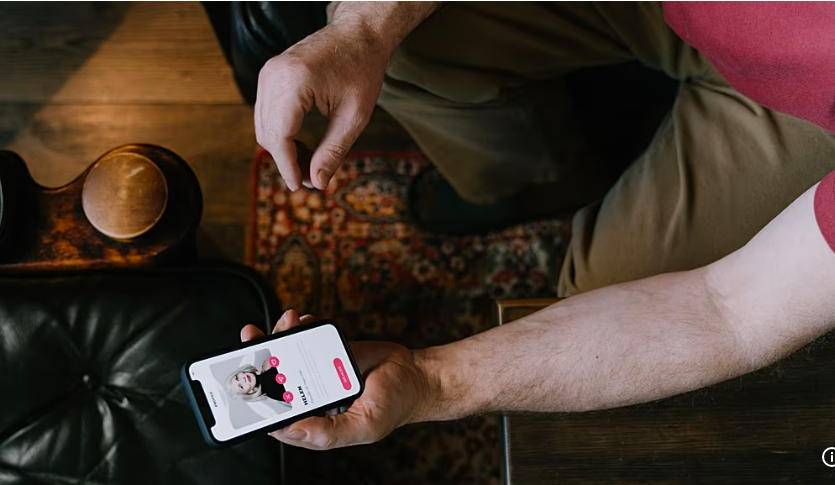
AI Situation-Ships: The Controversial New Dating Trend Predicted for 2026
The course of true love never did run smooth, granted, but if you thought heartbreaks, ghosting, or being left on “read” were the most frustrating aspects of modern dating, 2026 may have something even more perplexing in store. As the world hurtles deeper into the age of artificial intelligence, French dating app happn has predicted a controversial new trend that further blurs the line between human connection and digital companionship: the “AI situation-ship.”
Before you panic, let’s break it down. If you’ve been keeping up with the dizzying glossary of contemporary dating terms, you’ll know the landscape is littered with language that feels as bewildering as it is revealing: from “cloaking”—disappearing without explanation—to “Shrekking”, ghosting someone so dramatically it leaves them metaphorically in a swamp, and “pocketing”, where someone keeps a partner hidden from social circles. Each new term seems to capture a subtle yet universal truth about the ways we now relate to one another, often through the prism of our phones and social apps.
Register for Tekedia Mini-MBA edition 19 (Feb 9 – May 2, 2026).
Register for Tekedia AI in Business Masterclass.
Join Tekedia Capital Syndicate and co-invest in great global startups.
Register for Tekedia AI Lab.
Enter 2026, and with it, AI as an active player in romance. According to happn—a location-based dating app that matches users who have physically crossed paths—the most eye-catching prediction is the rise of the AI situation-ship. In simple terms, a situation-ship is a romantic or sexual relationship that deliberately avoids formal commitment. It’s less “boyfriend or girlfriend” and more “we’ll see where this goes”—a gray zone that has always been a little fraught, and now, AI is set to inhabit that gray zone too.
So, what exactly is an AI situation-ship? Happn’s report suggests that these are relationships where human users increasingly incorporate AI chatbots as part of their emotional life. These AI companions aren’t just tools for casual conversation or flirting—they function as emotional mirrors, listening attentively, offering advice, and even helping users practice emotional expression. In other words, AI could become a training ground for feelings, a “safe space” to explore affection, desire, or companionship without the messiness of another human’s vulnerabilities.
It’s not hard to imagine the appeal. In a world where the dating scene can feel exhausting and unpredictable, an AI that is consistently responsive, nonjudgmental, and available 24/7 offers a type of comfort that human partners sometimes cannot. But it also raises a raft of ethical and emotional questions. What happens when a person forms an attachment to a chatbot? Can this ever truly replace or even complement a human connection? And where does loyalty—or cheating—fit into a landscape where your “partner” might be spending emotional energy on a machine?

Happn’s report offers some insight into public perception. Among UK respondents, 41% said they’d be okay with their partner having a close relationship with an AI companion, indicating a surprising openness to AI in the realm of intimacy. On the flip side, 43% said the prospect would make them uncomfortable, signalling widespread unease. Perhaps most strikingly, 16% considered it emotional cheating, illustrating that even in the digital age, notions of fidelity and trust remain firmly grounded in human-to-human interaction.
What this data shows is a society teetering between curiosity and caution. The AI situation-ship embodies both the promise and the peril of artificial companionship. On one hand, AI could provide therapeutic benefits, helping people articulate emotions, develop empathy, or even recover from past heartbreaks. On the other hand, it risks creating illusory intimacy, where one’s emotional needs are met in a transactional, predictable way that doesn’t challenge growth or foster true connection with another human being.
It also points to a larger trend: as technology becomes ever more sophisticated, our social and romantic lives are becoming hybridised. We are no longer purely human-centered in our interactions; our relationships increasingly exist in the intersections of human and machine. For younger generations who have grown up with AI assistants, virtual reality, and algorithmic matchmaking, these boundaries may feel natural, even inevitable. For older generations or those less immersed in digital culture, the concept may seem dystopian, even alarming.

The psychological implications are complex. Experts worry that habitual engagement with AI companions could redefine emotional norms, creating expectations of unconditional availability and perfect empathy that humans simply cannot meet. There’s also a risk of emotional dependency, where users retreat into AI interactions to avoid vulnerability with real people. Happn’s report suggests that the AI situation-ship is not merely a niche phenomenon; it may become a significant feature of the dating ecosystem by 2026, reshaping what we consider intimacy, fidelity, and even the meaning of a “relationship.”
For those navigating the dating world in this new era, awareness and intentionality will be key. While AI companions may offer valuable tools for self-reflection or emotional practice, they cannot replace the messy, unpredictable, and profoundly human experience of sharing life with another person. Recognising the line between human and artificial companionship, and deciding for oneself where AI fits into one’s emotional life, will become an essential part of digital-age romance.
Love in the 21st century was already complicated; now it’s augmented, algorithmically enhanced, and AI-assisted. Whether this represents a thrilling evolution or a disconcerting detour may depend less on the technology itself and more on how wisely—and ethically—we choose to integrate it into our hearts. The AI situation-ship is coming. Are you ready to swipe right on the future of romance?
Final Thought / Conclusion:
The AI situation-ship is more than just a quirky trend—it’s a glimpse into the evolving ways humans seek connection in a tech-saturated world. While AI companions may offer comfort, practice, and emotional insight, they also challenge traditional notions of intimacy, commitment, and fidelity. As we move into 2026, the key will be balance: embracing the benefits of AI in our emotional lives without letting it replace the unpredictable, messy, and deeply human experience of love. Awareness, reflection, and intentional choices will define how this trend shapes the future of romance.
Meta Description:
Discover the rise of AI situation-ships in 2026—a controversial dating trend blurring the lines between human relationships and AI companionship.
Uploaded files:Share this:
- Click to share on Facebook (Opens in new window) Facebook
- Click to share on X (Opens in new window) X
- Click to share on WhatsApp (Opens in new window) WhatsApp
- Click to share on LinkedIn (Opens in new window) LinkedIn
- Click to email a link to a friend (Opens in new window) Email
- Click to print (Opens in new window) Print