

From Nike to H&M: How the Fashion Industry’s “Big Green Plan” Is Worsening Microplastic Pollution For more than a decade

Quote from Alex Bobby on December 11, 2025, 4:22 AM
For more than a decade, the global fashion industry has sold consumers a powerful promise: that recycled polyester is the eco-friendly miracle that will help clean up the planet while keeping our wardrobes full. Brands like Nike, H&M, Adidas, and Zara have built entire sustainability campaigns around it, reassuring shoppers that every purchase made from recycled plastic bottles is a small step toward a greener future.
But a new investigation suggests the industry’s “big green plan” may be doing more harm than good.
According to research conducted by the Changing Markets Foundation in partnership with the Micro-plastic Research Group at Çukurova University in Türkiye, recycled polyester is actually worsening microplastic pollution—shedding significantly more plastic particles during washing than its virgin polyester counterpart. The findings challenge one of fashion’s most heavily marketed sustainability claims and raise serious questions about whether recycled polyester is a genuine solution or another form of greenwashing.
The Rise of Recycled Polyester: A Promise Built on Plastic Bottles
Recycled polyester—often labeled rPET—has grown rapidly across the fashion sector, transforming product lines and sustainability reports. Today, an estimated 98% of all recycled polyester comes from plastic bottles, not textile-to-textile recycling. This allows brands to position themselves as champions of circularity.
Nike proudly states that using recycled polyester diverts “around one billion plastic bottles from landfills and waterways every year.” Adidas echoes this sentiment, claiming the switch to rPET is part of its effort to “avoid plastic waste and stop the pollution of the world’s oceans.” H&M and Patagonia have similarly pledged to eliminate virgin polyester from their supply chains entirely in the coming years.
To eco-conscious consumers, the logic seems sound: turning old bottles into clothing means less waste, less dependence on fossil fuels, and fewer plastics ending up in the ocean. But the new findings show the system is far less circular than it appears—and may be creating new forms of pollution.
How “Green” Materials Are Deepening the Microplastic Crisis
Microplastics shed from synthetic fabrics every time they’re washed. These tiny fibers travel through wastewater systems into rivers, oceans, soil, and even the air. They’ve been found everywhere—from mountain peaks to human lungs. Polyester, the world’s most used textile, is a major contributor.
Shockingly, the study found that recycled polyester sheds 55% more microplastic fibers on average during washingcompared to virgin polyester. And the particles it releases are nearly 20% smaller, making them more mobile, more likely to slip through filtration systems, and more dangerous to ecosystems.
This means clothing marketed as “sustainable” is actually accelerating microplastic pollution.
The reason? When plastic bottles are melted and spun into fibers, the resulting threads tend to be weaker and more brittle than virgin polyester. This structural weakness leads to higher shedding rates—turning every wash cycle into a microplastic emission event.
Which Brands Are Most Responsible?
The researchers tested garments from Adidas, H&M, Nike, SHEIN, and Zara, using T-shirts, dresses, tops, and shorts to examine how much microplastic each piece shed.
The results were startling:
Nike had the most polluting polyester of all the brands studied—both its virgin and recycled versions.
Its recycled polyester shed over 30,000 fibers per gram of fabric on average.
That’s nearly 4 times more than H&M and 7 times more than Zara.SHEIN performed poorly as well. Its recycled polyester shed roughly the same amount of fibers as its virgin polyester—a red flag that raised suspicions about mislabeling.
This concern isn’t new: SHEIN has already faced fines totaling €40 million for misleading environmental claims and fake discounts.Zara and H&M performed better than Nike and SHEIN but still contributed significantly to microplastic pollution.
Register for Tekedia Mini-MBA edition 20 (June 8 – Sept 5, 2026).
Register for Tekedia AI in Business Masterclass.
Join Tekedia Capital Syndicate and co-invest in great global startups.
Register for Tekedia AI Lab.
These results challenge the fashion industry’s narrative that simply swapping virgin polyester for its recycled counterpart is a meaningful step toward sustainability.
A “Sustainability Fig Leaf” Hiding a Bigger Problem
Urska Trunk of the Changing Markets Foundation didn’t hold back in her assessment:
“Fashion has been selling recycled polyester as a green solution, yet our findings show it is deepening the microplastic pollution problem. It exposes recycled polyester for what it is: a sustainability fig leaf covering fashion’s deepening dependence on synthetic materials.”The reliance on recycled polyester, Trunk argues, allows companies to continue producing vast quantities of cheap, disposable clothing while marketing themselves as environmentally responsible. Meanwhile, the root issue—the fashion industry’s addiction to synthetic fibers derived from fossil fuels—goes unaddressed.
Trunk and other experts now argue that industry “design tweaks” and promises of better filtration or fiber engineering aren’t enough. Instead, they call for a phase-out of synthetic fibers, a shift toward natural materials, and a stop to diverting plastic bottles into clothing that sheds microplastics into the environment after just a few washes.
Conclusion
The investigation makes one thing painfully clear: recycling plastic bottles into clothing might feel eco-friendly, but in reality, it is accelerating one of the planet’s most urgent pollution crises. Recycled polyester may reduce visible waste but creates invisible contamination that is far more insidious. Unless the industry confronts this contradiction, the fashion world’s “big green plan” risks being remembered not as a solution, but as one of the greatest greenwashing scandals of its era.
Final Thought
Sustainability cannot be stitched into a garment through marketing alone. Until the fashion industry breaks its dependency on cheap synthetics and prioritizes true circularity, consumers will continue paying for clothes that pollute the planet—even as they try to do the right thing.
Meta Description
An investigation reveals that recycled polyester—promoted by brands like Nike, H&M, Adidas, and SHEIN as a sustainable solution—actually sheds more microplastics than virgin polyester, deepening pollution and exposing widespread greenwashing in the fashion industry.
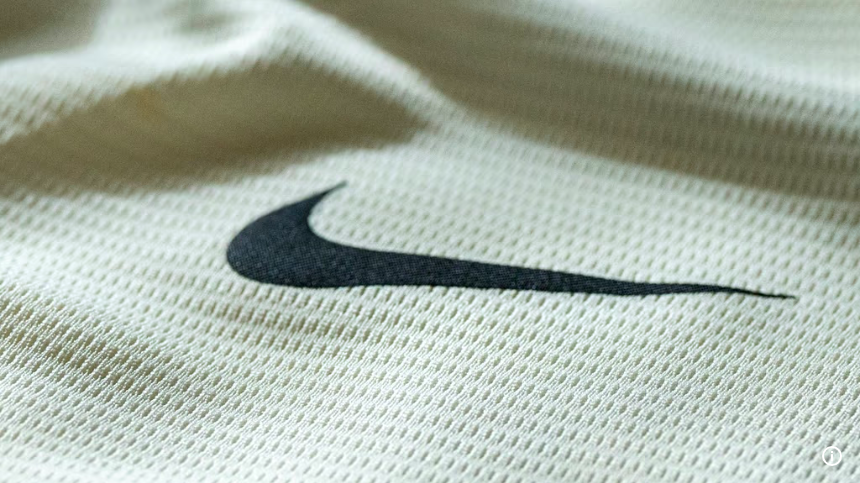
For more than a decade, the global fashion industry has sold consumers a powerful promise: that recycled polyester is the eco-friendly miracle that will help clean up the planet while keeping our wardrobes full. Brands like Nike, H&M, Adidas, and Zara have built entire sustainability campaigns around it, reassuring shoppers that every purchase made from recycled plastic bottles is a small step toward a greener future.
But a new investigation suggests the industry’s “big green plan” may be doing more harm than good.
According to research conducted by the Changing Markets Foundation in partnership with the Micro-plastic Research Group at Çukurova University in Türkiye, recycled polyester is actually worsening microplastic pollution—shedding significantly more plastic particles during washing than its virgin polyester counterpart. The findings challenge one of fashion’s most heavily marketed sustainability claims and raise serious questions about whether recycled polyester is a genuine solution or another form of greenwashing.

The Rise of Recycled Polyester: A Promise Built on Plastic Bottles
Recycled polyester—often labeled rPET—has grown rapidly across the fashion sector, transforming product lines and sustainability reports. Today, an estimated 98% of all recycled polyester comes from plastic bottles, not textile-to-textile recycling. This allows brands to position themselves as champions of circularity.
Nike proudly states that using recycled polyester diverts “around one billion plastic bottles from landfills and waterways every year.” Adidas echoes this sentiment, claiming the switch to rPET is part of its effort to “avoid plastic waste and stop the pollution of the world’s oceans.” H&M and Patagonia have similarly pledged to eliminate virgin polyester from their supply chains entirely in the coming years.
To eco-conscious consumers, the logic seems sound: turning old bottles into clothing means less waste, less dependence on fossil fuels, and fewer plastics ending up in the ocean. But the new findings show the system is far less circular than it appears—and may be creating new forms of pollution.

How “Green” Materials Are Deepening the Microplastic Crisis
Microplastics shed from synthetic fabrics every time they’re washed. These tiny fibers travel through wastewater systems into rivers, oceans, soil, and even the air. They’ve been found everywhere—from mountain peaks to human lungs. Polyester, the world’s most used textile, is a major contributor.
Shockingly, the study found that recycled polyester sheds 55% more microplastic fibers on average during washingcompared to virgin polyester. And the particles it releases are nearly 20% smaller, making them more mobile, more likely to slip through filtration systems, and more dangerous to ecosystems.
This means clothing marketed as “sustainable” is actually accelerating microplastic pollution.
The reason? When plastic bottles are melted and spun into fibers, the resulting threads tend to be weaker and more brittle than virgin polyester. This structural weakness leads to higher shedding rates—turning every wash cycle into a microplastic emission event.
Which Brands Are Most Responsible?
The researchers tested garments from Adidas, H&M, Nike, SHEIN, and Zara, using T-shirts, dresses, tops, and shorts to examine how much microplastic each piece shed.
The results were startling:
-
Nike had the most polluting polyester of all the brands studied—both its virgin and recycled versions.
Its recycled polyester shed over 30,000 fibers per gram of fabric on average.
That’s nearly 4 times more than H&M and 7 times more than Zara. -
SHEIN performed poorly as well. Its recycled polyester shed roughly the same amount of fibers as its virgin polyester—a red flag that raised suspicions about mislabeling.
This concern isn’t new: SHEIN has already faced fines totaling €40 million for misleading environmental claims and fake discounts. -
Zara and H&M performed better than Nike and SHEIN but still contributed significantly to microplastic pollution.
These results challenge the fashion industry’s narrative that simply swapping virgin polyester for its recycled counterpart is a meaningful step toward sustainability.
A “Sustainability Fig Leaf” Hiding a Bigger Problem
Urska Trunk of the Changing Markets Foundation didn’t hold back in her assessment:
“Fashion has been selling recycled polyester as a green solution, yet our findings show it is deepening the microplastic pollution problem. It exposes recycled polyester for what it is: a sustainability fig leaf covering fashion’s deepening dependence on synthetic materials.”
The reliance on recycled polyester, Trunk argues, allows companies to continue producing vast quantities of cheap, disposable clothing while marketing themselves as environmentally responsible. Meanwhile, the root issue—the fashion industry’s addiction to synthetic fibers derived from fossil fuels—goes unaddressed.
Trunk and other experts now argue that industry “design tweaks” and promises of better filtration or fiber engineering aren’t enough. Instead, they call for a phase-out of synthetic fibers, a shift toward natural materials, and a stop to diverting plastic bottles into clothing that sheds microplastics into the environment after just a few washes.
Conclusion
The investigation makes one thing painfully clear: recycling plastic bottles into clothing might feel eco-friendly, but in reality, it is accelerating one of the planet’s most urgent pollution crises. Recycled polyester may reduce visible waste but creates invisible contamination that is far more insidious. Unless the industry confronts this contradiction, the fashion world’s “big green plan” risks being remembered not as a solution, but as one of the greatest greenwashing scandals of its era.
Final Thought
Sustainability cannot be stitched into a garment through marketing alone. Until the fashion industry breaks its dependency on cheap synthetics and prioritizes true circularity, consumers will continue paying for clothes that pollute the planet—even as they try to do the right thing.
Meta Description
An investigation reveals that recycled polyester—promoted by brands like Nike, H&M, Adidas, and SHEIN as a sustainable solution—actually sheds more microplastics than virgin polyester, deepening pollution and exposing widespread greenwashing in the fashion industry.
Uploaded files:Share this:
- Click to share on Facebook (Opens in new window) Facebook
- Click to share on X (Opens in new window) X
- Click to share on WhatsApp (Opens in new window) WhatsApp
- Click to share on LinkedIn (Opens in new window) LinkedIn
- Click to email a link to a friend (Opens in new window) Email
- Click to print (Opens in new window) Print