

Germany Manufacturing Slump Deepens: Is Eurozone Growth at Risk in 2026?

Quote from Alex Bobby on December 16, 2025, 5:48 AMGermany’s manufacturing contracts again in December, dragging down eurozone output. Can resilient services and policy support offset the risks to growth heading into 2026?
Germany’s manufacturing sector ended 2025 on a notably weaker footing, deepening concerns about the eurozone’s broader economic trajectory. The latest data from S&P Global’s flash Purchasing Managers’ Index (PMI) shows a sharper-than-expected contraction in German industry, while services growth, though still positive, slowed across the bloc. These trends underscore the growing challenge policymakers face in sustaining the region’s recovery amid lingering inflationary pressures.
German manufacturing under pressure
The German manufacturing PMI fell to 47.7 in December, down from 48.2 in November and below the 48.5 consensus forecast. This marks the second consecutive month that German industry has slipped deeper into contraction territory, signalling continued weakness in Europe’s economic powerhouse. Manufacturing output declined for the first time in ten months, highlighting an increasingly fragile sector.
“What a mess, one might exclaim in view of the further downturn in the manufacturing sector,” commented Dr Cyrus de la Rubia, chief economist at Hamburg Commercial Bank. “For the second month in a row, the headline manufacturing PMI has fallen deeper into sub-50 contraction territory, and for the first time in ten months, production is also declining.”
The contraction reflects a sustained drop in new orders, which had already slumped in November and continued to deteriorate in December. Weak demand, combined with global supply chain uncertainties, raises concerns over the early 2026 outlook for German industry.
The slowdown is not confined to Germany alone. Eurozone manufacturing activity, while less severe, also decelerated. The eurozone manufacturing PMI fell to 49.2 in December, down from 49.6 in November and below the neutral 50-point threshold, signaling that the bloc’s industrial output is under pressure.
Services show resilience, but inflation remains
On a slightly more positive note, the services sector in Germany remained in expansion territory, with the PMI at 52.6, albeit lower than November’s 53.1 and slightly below market expectations of 53.0. Across the eurozone, services growth also slowed, reflecting a broader moderation in economic activity.
However, the sector’s expansion is not without challenges. Inflationary pressures remain notable, particularly in labor and wage-related costs. “Price pressure, driven in part by wage increases, is still noticeable,” noted Dr de la Rubia. The European Central Bank (ECB), which met on 18 December, is monitoring these pressures closely. While headline rates remain unchanged, continued inflation in services could influence future policy decisions, making the path forward more complex for the central bank.
France bucks the trend
While Germany struggles, France emerged as a relative bright spot for eurozone manufacturing in December. Its manufacturing PMI jumped to 50.6, up from 47.8 in November and comfortably above the 48.0 consensus, returning to expansion territory. The improvement was largely driven by foreign demand and stronger order books, offering some optimism for eurozone growth.
Services growth in France, however, slowed to 50.2 from 51.4 in November, missing expectations of 51.2. Jonas Feldhusen, junior economist at Hamburg Commercial Bank, warned that political uncertainty, linked to the absence of a government budget, continues to pose a headwind to the French economy.
Broader eurozone implications
Germany’s manufacturing slowdown has broader implications for the eurozone. As the bloc’s largest economy, Germany’s industrial health heavily influences overall eurozone output, trade balances, and investment sentiment. A sustained contraction in Germany could dampen regional growth, hinder employment, and limit fiscal flexibility in other member states.
The contrast between Germany and France also highlights a divergence in economic performance across the eurozone. While France benefits from stronger domestic demand and resilience in export markets, Germany faces a delicate balancing act between slowing domestic orders and a manufacturing sector still recovering from global supply chain disruptions.
Inflation remains another complicating factor. Although headline rates have moderated from their peaks, persistent cost pressures, especially in services, could constrain household spending and business investment. The ECB’s current stance of maintaining interest rates reflects a cautious approach, but the central bank may need to recalibrate policy if inflation proves stickier than expected or if growth continues to falter.
Outlook for early 2026
Looking ahead, the risks to eurozone growth appear increasingly concentrated in manufacturing. Germany’s ongoing contraction could spill over into investment and consumer confidence, while slower industrial output may dampen exports, especially to regions still navigating post-pandemic disruptions.
Policymakers face a dual challenge: supporting manufacturing activity without stoking inflationary pressures, and maintaining resilience in services while promoting investment in sectors that can drive longer-term growth. Targeted fiscal measures, supply chain improvements, and policies to boost productivity will be critical to stabilising the region’s economic outlook.
While France’s rebound offers some optimism, the broader picture suggests a cautious start to 2026 for the eurozone. Close monitoring of German orders, investment trends, and service sector inflation will be key to assessing whether growth can regain momentum or whether a deeper slowdown looms.
Conclusion / Final Thought
Germany’s manufacturing contraction underscores the fragility of eurozone growth as the bloc heads into 2026. While services continue to expand, persistent inflationary pressures and falling industrial output present a significant risk to the region’s recovery. Policymakers will need to strike a delicate balance between supporting growth and containing inflation, particularly in Germany, whose performance remains central to the eurozone’s economic prospects. The coming months will test the resilience of Europe’s largest economy and the effectiveness of broader regional policy measures.
Looking Forward
Looking forward, attention will remain on Germany’s manufacturing orders and eurozone industrial trends as indicators of future growth. Targeted fiscal support, investment incentives, and supply chain optimisation may help stabilise output, but confidence among businesses and consumers will be crucial. If Germany can arrest the manufacturing decline while managing inflation, the eurozone may maintain moderate growth; failure to do so could see the region’s recovery stall, signalling a challenging start to 2026.
Germany’s manufacturing contracts again in December, dragging down eurozone output. Can resilient services and policy support offset the risks to growth heading into 2026?
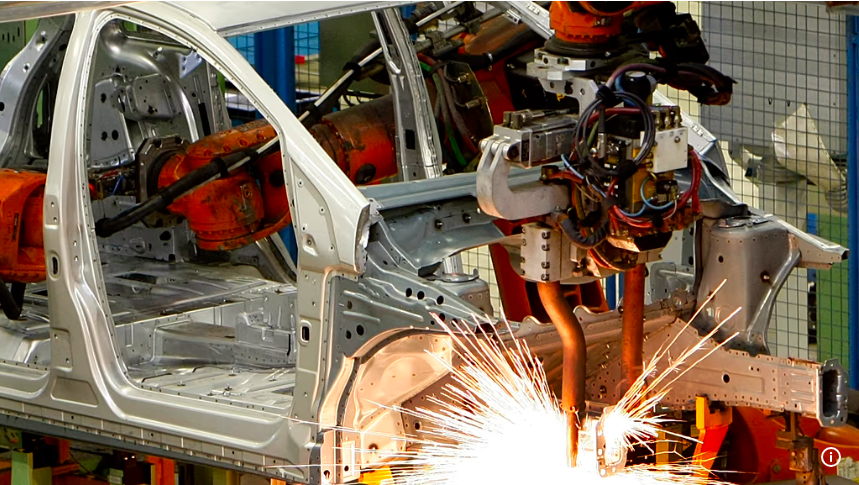
Germany’s manufacturing sector ended 2025 on a notably weaker footing, deepening concerns about the eurozone’s broader economic trajectory. The latest data from S&P Global’s flash Purchasing Managers’ Index (PMI) shows a sharper-than-expected contraction in German industry, while services growth, though still positive, slowed across the bloc. These trends underscore the growing challenge policymakers face in sustaining the region’s recovery amid lingering inflationary pressures.
German manufacturing under pressure
The German manufacturing PMI fell to 47.7 in December, down from 48.2 in November and below the 48.5 consensus forecast. This marks the second consecutive month that German industry has slipped deeper into contraction territory, signalling continued weakness in Europe’s economic powerhouse. Manufacturing output declined for the first time in ten months, highlighting an increasingly fragile sector.
“What a mess, one might exclaim in view of the further downturn in the manufacturing sector,” commented Dr Cyrus de la Rubia, chief economist at Hamburg Commercial Bank. “For the second month in a row, the headline manufacturing PMI has fallen deeper into sub-50 contraction territory, and for the first time in ten months, production is also declining.”
Register for Tekedia Mini-MBA edition 20 (June 8 – Sept 5, 2026).
Register for Tekedia AI in Business Masterclass.
Join Tekedia Capital Syndicate and co-invest in great global startups.
Register for Tekedia AI Lab.
The contraction reflects a sustained drop in new orders, which had already slumped in November and continued to deteriorate in December. Weak demand, combined with global supply chain uncertainties, raises concerns over the early 2026 outlook for German industry.
The slowdown is not confined to Germany alone. Eurozone manufacturing activity, while less severe, also decelerated. The eurozone manufacturing PMI fell to 49.2 in December, down from 49.6 in November and below the neutral 50-point threshold, signaling that the bloc’s industrial output is under pressure.
Services show resilience, but inflation remains
On a slightly more positive note, the services sector in Germany remained in expansion territory, with the PMI at 52.6, albeit lower than November’s 53.1 and slightly below market expectations of 53.0. Across the eurozone, services growth also slowed, reflecting a broader moderation in economic activity.

However, the sector’s expansion is not without challenges. Inflationary pressures remain notable, particularly in labor and wage-related costs. “Price pressure, driven in part by wage increases, is still noticeable,” noted Dr de la Rubia. The European Central Bank (ECB), which met on 18 December, is monitoring these pressures closely. While headline rates remain unchanged, continued inflation in services could influence future policy decisions, making the path forward more complex for the central bank.
France bucks the trend
While Germany struggles, France emerged as a relative bright spot for eurozone manufacturing in December. Its manufacturing PMI jumped to 50.6, up from 47.8 in November and comfortably above the 48.0 consensus, returning to expansion territory. The improvement was largely driven by foreign demand and stronger order books, offering some optimism for eurozone growth.
Services growth in France, however, slowed to 50.2 from 51.4 in November, missing expectations of 51.2. Jonas Feldhusen, junior economist at Hamburg Commercial Bank, warned that political uncertainty, linked to the absence of a government budget, continues to pose a headwind to the French economy.

Broader eurozone implications
Germany’s manufacturing slowdown has broader implications for the eurozone. As the bloc’s largest economy, Germany’s industrial health heavily influences overall eurozone output, trade balances, and investment sentiment. A sustained contraction in Germany could dampen regional growth, hinder employment, and limit fiscal flexibility in other member states.
The contrast between Germany and France also highlights a divergence in economic performance across the eurozone. While France benefits from stronger domestic demand and resilience in export markets, Germany faces a delicate balancing act between slowing domestic orders and a manufacturing sector still recovering from global supply chain disruptions.
Inflation remains another complicating factor. Although headline rates have moderated from their peaks, persistent cost pressures, especially in services, could constrain household spending and business investment. The ECB’s current stance of maintaining interest rates reflects a cautious approach, but the central bank may need to recalibrate policy if inflation proves stickier than expected or if growth continues to falter.
Outlook for early 2026
Looking ahead, the risks to eurozone growth appear increasingly concentrated in manufacturing. Germany’s ongoing contraction could spill over into investment and consumer confidence, while slower industrial output may dampen exports, especially to regions still navigating post-pandemic disruptions.
Policymakers face a dual challenge: supporting manufacturing activity without stoking inflationary pressures, and maintaining resilience in services while promoting investment in sectors that can drive longer-term growth. Targeted fiscal measures, supply chain improvements, and policies to boost productivity will be critical to stabilising the region’s economic outlook.
While France’s rebound offers some optimism, the broader picture suggests a cautious start to 2026 for the eurozone. Close monitoring of German orders, investment trends, and service sector inflation will be key to assessing whether growth can regain momentum or whether a deeper slowdown looms.
Conclusion / Final Thought
Germany’s manufacturing contraction underscores the fragility of eurozone growth as the bloc heads into 2026. While services continue to expand, persistent inflationary pressures and falling industrial output present a significant risk to the region’s recovery. Policymakers will need to strike a delicate balance between supporting growth and containing inflation, particularly in Germany, whose performance remains central to the eurozone’s economic prospects. The coming months will test the resilience of Europe’s largest economy and the effectiveness of broader regional policy measures.
Looking Forward
Looking forward, attention will remain on Germany’s manufacturing orders and eurozone industrial trends as indicators of future growth. Targeted fiscal support, investment incentives, and supply chain optimisation may help stabilise output, but confidence among businesses and consumers will be crucial. If Germany can arrest the manufacturing decline while managing inflation, the eurozone may maintain moderate growth; failure to do so could see the region’s recovery stall, signalling a challenging start to 2026.
Uploaded files:Share this:
- Click to share on Facebook (Opens in new window) Facebook
- Click to share on X (Opens in new window) X
- Click to share on WhatsApp (Opens in new window) WhatsApp
- Click to share on LinkedIn (Opens in new window) LinkedIn
- Click to email a link to a friend (Opens in new window) Email
- Click to print (Opens in new window) Print