

The Nigerian fighter jets and Benin Coup

Quote from Alex Bobby on December 12, 2025, 7:52 AM
West African Troops Deployed to Benin After Failed Coup Attempt
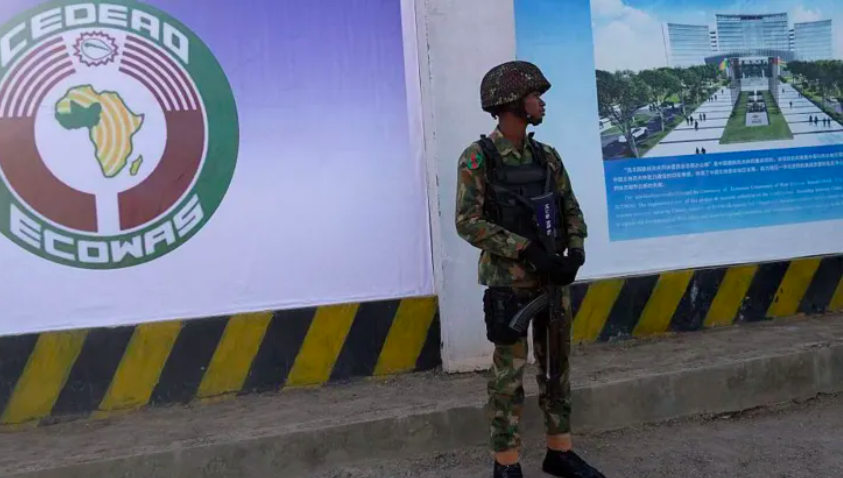
About 200 West African troops, mainly from Nigeria and Ivory Coast, have been deployed to Benin following Sunday’s failed coup. The move aims to restore stability, secure key sites, and support a manhunt for the mutineers.
Some 200 West African soldiers, mainly from Nigeria and Ivory Coast, are currently in Benin to support the government following Sunday’s failed coup, the country’s Foreign Affairs Minister, Olushegun Adjadi Bakari, said on Thursday.
The coup attempt was foiled after Nigerian fighter jets were deployed to drive mutineers out of a military base and state TV headquarters, where they had declared a takeover. This marks the first official disclosure of the number of foreign soldiers deployed, though it remains unclear whether some troops have since been withdrawn.
Minister Bakari noted that some of the regional forces remain in the country “as part of the sweep and clean-up operation”, helping authorities secure key sites and maintain stability.
Manhunt for Coup Leaders Underway
A manhunt is ongoing for the soldiers involved in the plot. Reports suggest that the leader of the failed coup has taken refuge in neighbouring Togo. The mutineers justified their actions by criticising President Patrice Talon, particularly regarding his management of the deteriorating security situation in northern Benin.
The incident has heightened concerns over stability in the region, prompting the West African regional bloc, ECOWAS, to deploy troops from Nigeria, Ghana, Sierra Leone, and Ivory Coast. Their mission is to secure key installations and prevent any resurgence of violence.
Regional Response to a Threat to Democracy
Nigeria, Benin’s large eastern neighbour, confirmed that its soldiers reached Benin on Sunday, describing the attempted coup as a “direct assault on democracy.” The deployment underscores the regional bloc’s commitment to protecting democratic institutions and deterring military takeovers in member states.
The involvement of multiple ECOWAS member states highlights the growing practice of regional security collaboration in West Africa. By intervening quickly, ECOWAS aims to prevent escalation, ensure the safety of civilians, and maintain political stability in Benin.
Government and Regional Measures
Since the foiled coup, Benin’s government has taken swift steps to restore order. Regional troops continue to assist in securing military bases, government offices, and media institutions. Authorities are also conducting sweeps to apprehend remaining mutineers.
President Talon, who has led the country since 2016, faces pressure to address the concerns that reportedly motivated the coup plotters, particularly the ongoing security challenges in the northern regions of Benin.
Implications for the Region
The failed coup underscores the fragility of political stability in parts of West Africa, even in countries considered relatively secure. ECOWAS’ quick mobilisation demonstrates both the capacity for regional response and the importance of multinational coordination in preventing domestic unrest from escalating into broader crises.
For Benin, the presence of foreign troops may help stabilise the immediate situation, but long-term stability will likely depend on addressing underlying grievances, enhancing military discipline, and reinforcing democratic institutions.
Looking Forward
As Benin stabilises in the wake of the failed coup, attention now turns to long-term security and political resilience. The presence of West African troops provides immediate support, but sustainable stability will require addressing the grievances that prompted the mutiny, strengthening democratic institutions, and improving security in northern regions. Regional cooperation through ECOWAS demonstrates the value of collective action, yet the focus must also shift to reconciliation, civilian protection, and institutional reforms to prevent future unrest. For Benin and its neighbour’s, the coming weeks will be critical in ensuring that democracy is preserved and that the country emerges stronger from this crisis.
Conclusion
The deployment of West African troops to Benin following the failed coup represents a decisive regional effort to safeguard democracy and restore order. While the immediate threat has been contained, authorities face the dual challenge of pursuing those responsible and addressing the security concerns that prompted the coup attempt. ECOWAS’ intervention underscores the growing role of regional security cooperation in maintaining political stability across West Africa.
Largely, the failed coup in Benin serves as a stark reminder of the fragility of political stability, even in countries considered relatively secure. While the swift deployment of West African troops helped contain the immediate threat, lasting peace will depend on addressing underlying security and governance challenges. Strengthening democratic institutions, improving regional cooperation, and prioritising civilian safety are essential steps to ensure that Benin not only recovers from this crisis but is better prepared to withstand future challenges.
West African Troops Deployed to Benin After Failed Coup Attempt
About 200 West African troops, mainly from Nigeria and Ivory Coast, have been deployed to Benin following Sunday’s failed coup. The move aims to restore stability, secure key sites, and support a manhunt for the mutineers.
Some 200 West African soldiers, mainly from Nigeria and Ivory Coast, are currently in Benin to support the government following Sunday’s failed coup, the country’s Foreign Affairs Minister, Olushegun Adjadi Bakari, said on Thursday.
The coup attempt was foiled after Nigerian fighter jets were deployed to drive mutineers out of a military base and state TV headquarters, where they had declared a takeover. This marks the first official disclosure of the number of foreign soldiers deployed, though it remains unclear whether some troops have since been withdrawn.
Register for Tekedia Mini-MBA edition 20 (June 8 – Sept 5, 2026).
Register for Tekedia AI in Business Masterclass.
Join Tekedia Capital Syndicate and co-invest in great global startups.
Register for Tekedia AI Lab.
Minister Bakari noted that some of the regional forces remain in the country “as part of the sweep and clean-up operation”, helping authorities secure key sites and maintain stability.
Manhunt for Coup Leaders Underway
A manhunt is ongoing for the soldiers involved in the plot. Reports suggest that the leader of the failed coup has taken refuge in neighbouring Togo. The mutineers justified their actions by criticising President Patrice Talon, particularly regarding his management of the deteriorating security situation in northern Benin.

The incident has heightened concerns over stability in the region, prompting the West African regional bloc, ECOWAS, to deploy troops from Nigeria, Ghana, Sierra Leone, and Ivory Coast. Their mission is to secure key installations and prevent any resurgence of violence.
Regional Response to a Threat to Democracy
Nigeria, Benin’s large eastern neighbour, confirmed that its soldiers reached Benin on Sunday, describing the attempted coup as a “direct assault on democracy.” The deployment underscores the regional bloc’s commitment to protecting democratic institutions and deterring military takeovers in member states.

The involvement of multiple ECOWAS member states highlights the growing practice of regional security collaboration in West Africa. By intervening quickly, ECOWAS aims to prevent escalation, ensure the safety of civilians, and maintain political stability in Benin.
Government and Regional Measures
Since the foiled coup, Benin’s government has taken swift steps to restore order. Regional troops continue to assist in securing military bases, government offices, and media institutions. Authorities are also conducting sweeps to apprehend remaining mutineers.
President Talon, who has led the country since 2016, faces pressure to address the concerns that reportedly motivated the coup plotters, particularly the ongoing security challenges in the northern regions of Benin.
Implications for the Region
The failed coup underscores the fragility of political stability in parts of West Africa, even in countries considered relatively secure. ECOWAS’ quick mobilisation demonstrates both the capacity for regional response and the importance of multinational coordination in preventing domestic unrest from escalating into broader crises.
For Benin, the presence of foreign troops may help stabilise the immediate situation, but long-term stability will likely depend on addressing underlying grievances, enhancing military discipline, and reinforcing democratic institutions.
Looking Forward
As Benin stabilises in the wake of the failed coup, attention now turns to long-term security and political resilience. The presence of West African troops provides immediate support, but sustainable stability will require addressing the grievances that prompted the mutiny, strengthening democratic institutions, and improving security in northern regions. Regional cooperation through ECOWAS demonstrates the value of collective action, yet the focus must also shift to reconciliation, civilian protection, and institutional reforms to prevent future unrest. For Benin and its neighbour’s, the coming weeks will be critical in ensuring that democracy is preserved and that the country emerges stronger from this crisis.
Conclusion
The deployment of West African troops to Benin following the failed coup represents a decisive regional effort to safeguard democracy and restore order. While the immediate threat has been contained, authorities face the dual challenge of pursuing those responsible and addressing the security concerns that prompted the coup attempt. ECOWAS’ intervention underscores the growing role of regional security cooperation in maintaining political stability across West Africa.
Largely, the failed coup in Benin serves as a stark reminder of the fragility of political stability, even in countries considered relatively secure. While the swift deployment of West African troops helped contain the immediate threat, lasting peace will depend on addressing underlying security and governance challenges. Strengthening democratic institutions, improving regional cooperation, and prioritising civilian safety are essential steps to ensure that Benin not only recovers from this crisis but is better prepared to withstand future challenges.
Uploaded files:Share this:
- Click to share on Facebook (Opens in new window) Facebook
- Click to share on X (Opens in new window) X
- Click to share on WhatsApp (Opens in new window) WhatsApp
- Click to share on LinkedIn (Opens in new window) LinkedIn
- Click to email a link to a friend (Opens in new window) Email
- Click to print (Opens in new window) Print