

When the Oceans Went Quiet, How the 2020 Lockdowns Revealed the Hidden Symphony of Marine Life

Quote from Alex Bobby on December 12, 2025, 8:46 AM
When the World Fell Silent, the Ocean Found Its Voice: How the 2020 Lockdowns Revealed a Hidden Underwater Orchestra
During the 2020 lockdowns, global shipping slowed and underwater noise pollution dropped dramatically — revealing a vibrant symphony of marine life. Discover how this rare moment of ocean quiet transformed scientific understanding and inspired new efforts to protect underwater ecosystems.
In the strange stillness of 2020, when streets emptied, skies cleared and engines fell quiet, an extraordinary transformation unfolded far beneath the waves. As global lockdowns shuttered ports, grounded ships and silenced some of the busiest trade routes on Earth, something else emerged from the depths — a soundscape so vibrant, so alive and so unexpected that scientists are still talking about it today.
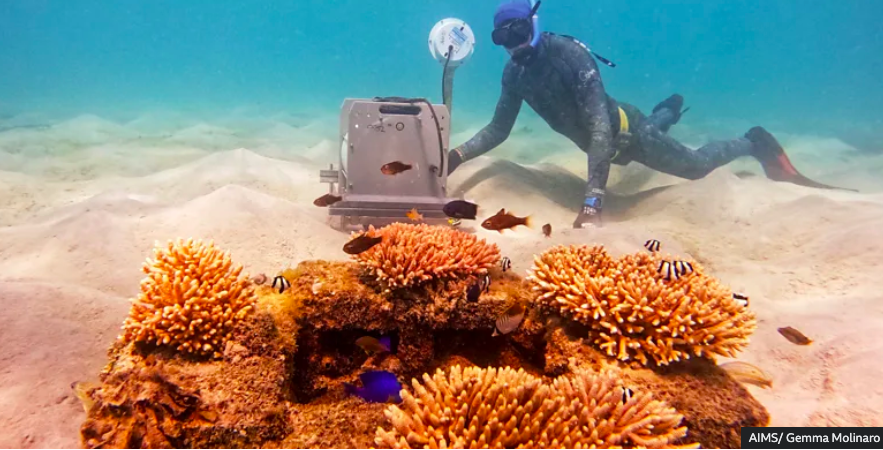
Crackles, snaps, pops and clicks — the symphony of a thriving ocean.
For the first time in living memory, the sea sang without interruption.The Ocean’s Hidden Orchestra
“Imagine thousands of instruments playing at once,” says Steve Simpson, a marine biologist at the University of Bristol. “Not in chaos, but in harmony — layered, rhythmic, alive.”
This is the natural underwater orchestra that few had ever truly heard. For centuries, humans assumed the ocean was largely silent. Our ears, dulled by air, could not detect the chorus just beneath the surface. It wasn’t until the early 20th Century, when scientists lowered the first hydrophones into the water to study sound waves, that the truth emerged: the ocean is anything but quiet.
Shrimps crackle like frying oil.
Fish grunt, croak, drum and hum.
Whales moan and sing across entire ocean basins.
Dolphins whistle and click in rapid-fire bursts.
Even tiny invertebrates create faint pulses that, when amplified, form part of a vast sonic tapestry.All of this natural sound does more than fill the sea with music. It is the language of life underwater — the medium through which countless species communicate, navigate, breed, hunt and survive.
But Then Came Us — and the Noise We Bring
Over the past half-century, human-generated ocean noise has increased exponentially. Shipping, seismic surveys, naval sonar, oil and gas exploration, dredging, tourism, construction — all of it produces sound, and sound travels farther and faster underwater than in air.
This constant roar forms what biologists call the anthropogenic noise floor, a low but pervasive hum of human activity that masks natural signals.
For many species, this is devastating.
- Fish struggle to hear their mates.
- Whale calves lose track of their mothers.
- Dolphins abandon traditional hunting grounds.
- Plankton, surprisingly sensitive to vibration, show stress responses to passing ships.
- Entire ecosystems fall out of acoustic balance.
The ocean may not look polluted, but it is often sonically suffocating.
A Once-in-a-Century Silence
Then, in early 2020, humankind went quiet.
As global transport plummeted, so did underwater noise — at a scale scientists had only dreamed of being able to study. Major shipping lanes saw up to a 90% reduction in traffic at the peak of lockdown. Cruise ships vanished. Fishing fleets halted. Coastal tourism evaporated.
And into that silence, marine life rushed to fill the void.
Hydrophones across the world recorded underwater soundscapes unlike anything heard in decades. Fish choruses grew louder, richer and more complex. Whales moved closer to shorelines, communicating over longer distances with clarity not experienced since the industrial age. Coral reefs, usually drowned out by boat engines, crackled with a riot of snapping shrimp, grazing parrotfish and nocturnal hunters emitting sonar-like pulses.
In some regions, the ocean was up to three times quieter than normal.
“It was like the sea exhaled,” one researcher said. “As if it had been holding its breath all this time.”
The Importance of a Quiet Sea
Noise pollution is not simply an annoyance for marine animals — it disrupts fundamental life processes. Many fish species rely on sound to choose habitats. Juvenile fish, for example, follow the “reef chorus” — a nightly sound produced by thousands of tiny creatures — to find their way back to coral reefs. When that sound is drowned out by engines, they become lost, exposing them to predators and reducing reef replenishment.
Whales and dolphins use sound much like humans use sight: to communicate, socialise, hunt and orient themselves. Loud noise can cause them to flee, abandon calves, or even strand themselves.
This is why scientists have long wondered: What would happen if we could quieten the seas, even temporarily?
Since 2010, researchers have been debating how to conduct a global “ocean quieting experiment” — a baseline test to understand how reduced noise affects marine life.In 2020, the world accidentally gave them one.
What Scientists Learned from the Accidental Experiment
The “great silence” of 2020 provided an unparalleled dataset — a global snapshot of how marine ecosystems behave when freed from human noise. Among the most striking findings:
- Fish communication increased dramatically, especially during breeding seasons.
- Whale stress levels dropped, measured through hormonal analysis in collected fecal samples.
- Marine mammals expanded their ranges, exploring habitats normally too noisy to enter.
- Predator–prey detection returned to natural patterns, changing feeding dynamics.
- Coral reef soundscapes recovered, providing clearer cues for larval settlement.
For the first time, scientists could quantify how badly noise pollution had been distorting marine behaviour.
A Blueprint for the Future
The ocean of 2020 was a rare, fleeting glimpse of what healthy underwater ecosystems once sounded like — and what they could be again. Researchers now argue that deliberate noise reduction strategies could play a key role in marine conservation.
Some proposed solutions include:
- Slower and quieter ships
- Rerouted shipping lanes away from sensitive habitats
- Improved propeller designs
- Seasonal quiet zones during breeding periods
- Regulated seismic activity in high-density marine regions
- Investment in quiet marine technology
The experiment may have been accidental, but its lessons are profound: when humans step back, the ocean responds with life.
Looking Forward
As the world settles back into its familiar rhythms and global shipping resumes, the ocean’s accidental moment of quiet has become a turning point — a reminder that change is possible, and that marine life is far more responsive to our actions than we once believed. The lessons from 2020 now serve as a blueprint for a future in which technology, policy and human behaviour can work together to reduce underwater noise rather than amplify it.
Scientists, policymakers and conservationists are increasingly calling for intentional quiet periods, redesigned ships, and smarter routing systems that respect migratory paths and breeding seasons. These solutions are no longer theoretical; they are practical, achievable, and urgently needed. The challenge ahead is not whether we can quieten the seas, but whether we choose to.
If the silence of 2020 taught us anything, it’s that the ocean’s voice is still there — waiting beneath the surface, resilient and ready to return. Our responsibility now is to ensure that the orchestra doesn’t fade back into noise but becomes the soundtrack of a healthier, more respectful relationship with the sea. Listening to the ocean is no longer just a scientific endeavour; it is a promise to future generations that the rhythms of marine life will continue to shape our planet for centuries to come.
Conclusion: The Sea Has a Voice — If We Listen
The lockdowns revealed something extraordinary: the ocean is not silent, and never was. It is alive with sound — with community, communication, struggle and survival. Yet our presence, often invisible from above the surface, is drowning out that ancient orchestra.
The temporary quiet of 2020 reminded us that protecting marine life is not only about preserving coral or reducing plastic — it’s about listening. Truly listening.
Because beneath the waves, life does not speak in words.
It speaks in sound.
And for a brief moment, when the world paused, we finally heard it.
When the World Fell Silent, the Ocean Found Its Voice: How the 2020 Lockdowns Revealed a Hidden Underwater Orchestra
During the 2020 lockdowns, global shipping slowed and underwater noise pollution dropped dramatically — revealing a vibrant symphony of marine life. Discover how this rare moment of ocean quiet transformed scientific understanding and inspired new efforts to protect underwater ecosystems.
In the strange stillness of 2020, when streets emptied, skies cleared and engines fell quiet, an extraordinary transformation unfolded far beneath the waves. As global lockdowns shuttered ports, grounded ships and silenced some of the busiest trade routes on Earth, something else emerged from the depths — a soundscape so vibrant, so alive and so unexpected that scientists are still talking about it today.
Crackles, snaps, pops and clicks — the symphony of a thriving ocean.
For the first time in living memory, the sea sang without interruption.
The Ocean’s Hidden Orchestra
Register for Tekedia Mini-MBA edition 20 (June 8 – Sept 5, 2026).
Register for Tekedia AI in Business Masterclass.
Join Tekedia Capital Syndicate and co-invest in great global startups.
Register for Tekedia AI Lab.
“Imagine thousands of instruments playing at once,” says Steve Simpson, a marine biologist at the University of Bristol. “Not in chaos, but in harmony — layered, rhythmic, alive.”
This is the natural underwater orchestra that few had ever truly heard. For centuries, humans assumed the ocean was largely silent. Our ears, dulled by air, could not detect the chorus just beneath the surface. It wasn’t until the early 20th Century, when scientists lowered the first hydrophones into the water to study sound waves, that the truth emerged: the ocean is anything but quiet.
Shrimps crackle like frying oil.
Fish grunt, croak, drum and hum.
Whales moan and sing across entire ocean basins.
Dolphins whistle and click in rapid-fire bursts.
Even tiny invertebrates create faint pulses that, when amplified, form part of a vast sonic tapestry.

All of this natural sound does more than fill the sea with music. It is the language of life underwater — the medium through which countless species communicate, navigate, breed, hunt and survive.
But Then Came Us — and the Noise We Bring
Over the past half-century, human-generated ocean noise has increased exponentially. Shipping, seismic surveys, naval sonar, oil and gas exploration, dredging, tourism, construction — all of it produces sound, and sound travels farther and faster underwater than in air.

This constant roar forms what biologists call the anthropogenic noise floor, a low but pervasive hum of human activity that masks natural signals.
For many species, this is devastating.
- Fish struggle to hear their mates.
- Whale calves lose track of their mothers.
- Dolphins abandon traditional hunting grounds.
- Plankton, surprisingly sensitive to vibration, show stress responses to passing ships.
- Entire ecosystems fall out of acoustic balance.
The ocean may not look polluted, but it is often sonically suffocating.
A Once-in-a-Century Silence
Then, in early 2020, humankind went quiet.
As global transport plummeted, so did underwater noise — at a scale scientists had only dreamed of being able to study. Major shipping lanes saw up to a 90% reduction in traffic at the peak of lockdown. Cruise ships vanished. Fishing fleets halted. Coastal tourism evaporated.
And into that silence, marine life rushed to fill the void.
Hydrophones across the world recorded underwater soundscapes unlike anything heard in decades. Fish choruses grew louder, richer and more complex. Whales moved closer to shorelines, communicating over longer distances with clarity not experienced since the industrial age. Coral reefs, usually drowned out by boat engines, crackled with a riot of snapping shrimp, grazing parrotfish and nocturnal hunters emitting sonar-like pulses.
In some regions, the ocean was up to three times quieter than normal.
“It was like the sea exhaled,” one researcher said. “As if it had been holding its breath all this time.”
The Importance of a Quiet Sea
Noise pollution is not simply an annoyance for marine animals — it disrupts fundamental life processes. Many fish species rely on sound to choose habitats. Juvenile fish, for example, follow the “reef chorus” — a nightly sound produced by thousands of tiny creatures — to find their way back to coral reefs. When that sound is drowned out by engines, they become lost, exposing them to predators and reducing reef replenishment.
Whales and dolphins use sound much like humans use sight: to communicate, socialise, hunt and orient themselves. Loud noise can cause them to flee, abandon calves, or even strand themselves.
This is why scientists have long wondered: What would happen if we could quieten the seas, even temporarily?
Since 2010, researchers have been debating how to conduct a global “ocean quieting experiment” — a baseline test to understand how reduced noise affects marine life.
In 2020, the world accidentally gave them one.
What Scientists Learned from the Accidental Experiment
The “great silence” of 2020 provided an unparalleled dataset — a global snapshot of how marine ecosystems behave when freed from human noise. Among the most striking findings:
- Fish communication increased dramatically, especially during breeding seasons.
- Whale stress levels dropped, measured through hormonal analysis in collected fecal samples.
- Marine mammals expanded their ranges, exploring habitats normally too noisy to enter.
- Predator–prey detection returned to natural patterns, changing feeding dynamics.
- Coral reef soundscapes recovered, providing clearer cues for larval settlement.
For the first time, scientists could quantify how badly noise pollution had been distorting marine behaviour.
A Blueprint for the Future
The ocean of 2020 was a rare, fleeting glimpse of what healthy underwater ecosystems once sounded like — and what they could be again. Researchers now argue that deliberate noise reduction strategies could play a key role in marine conservation.
Some proposed solutions include:
- Slower and quieter ships
- Rerouted shipping lanes away from sensitive habitats
- Improved propeller designs
- Seasonal quiet zones during breeding periods
- Regulated seismic activity in high-density marine regions
- Investment in quiet marine technology
The experiment may have been accidental, but its lessons are profound: when humans step back, the ocean responds with life.
Looking Forward
As the world settles back into its familiar rhythms and global shipping resumes, the ocean’s accidental moment of quiet has become a turning point — a reminder that change is possible, and that marine life is far more responsive to our actions than we once believed. The lessons from 2020 now serve as a blueprint for a future in which technology, policy and human behaviour can work together to reduce underwater noise rather than amplify it.
Scientists, policymakers and conservationists are increasingly calling for intentional quiet periods, redesigned ships, and smarter routing systems that respect migratory paths and breeding seasons. These solutions are no longer theoretical; they are practical, achievable, and urgently needed. The challenge ahead is not whether we can quieten the seas, but whether we choose to.
If the silence of 2020 taught us anything, it’s that the ocean’s voice is still there — waiting beneath the surface, resilient and ready to return. Our responsibility now is to ensure that the orchestra doesn’t fade back into noise but becomes the soundtrack of a healthier, more respectful relationship with the sea. Listening to the ocean is no longer just a scientific endeavour; it is a promise to future generations that the rhythms of marine life will continue to shape our planet for centuries to come.
Conclusion: The Sea Has a Voice — If We Listen
The lockdowns revealed something extraordinary: the ocean is not silent, and never was. It is alive with sound — with community, communication, struggle and survival. Yet our presence, often invisible from above the surface, is drowning out that ancient orchestra.
The temporary quiet of 2020 reminded us that protecting marine life is not only about preserving coral or reducing plastic — it’s about listening. Truly listening.
Because beneath the waves, life does not speak in words.
It speaks in sound.
And for a brief moment, when the world paused, we finally heard it.
Uploaded files:
Share this:
- Click to share on Facebook (Opens in new window) Facebook
- Click to share on X (Opens in new window) X
- Click to share on WhatsApp (Opens in new window) WhatsApp
- Click to share on LinkedIn (Opens in new window) LinkedIn
- Click to email a link to a friend (Opens in new window) Email
- Click to print (Opens in new window) Print