

Amnesty International: Hamas Committed Crimes Against Humanity in October 7 Attacks

Quote from Alex Bobby on December 12, 2025, 3:48 AM
Amnesty International Report Alleges War Crimes and Systematic Abuse
Amnesty International reports that Hamas and other Palestinian armed groups committed crimes against humanity during the October 7, 2023 attacks and in the treatment of hostages, highlighting murder, torture and systematic abuse. The findings intensify calls for international justice and accountability.
Amnesty International has concluded that Palestinian armed groups—including Hamas and its military wing, the Al-Qassam Brigades—committed crimes against humanity during the 7 October 2023 attacks on southern Israel and in their subsequent treatment of hostages. According to the human rights organisation’s report published on 11 December 2025, the actions of Hamas-led militants involved war crimes such as murder, torture, hostage-taking and sexual violence, which were part of a widespread and systematic attack on civilians. Reuters+1
The report, based on interviews with survivors, families of victims, forensic experts and a review of more than 350 visual pieces of evidence, found that the assault resulted in the deaths of around 1,200 people, the majority of whom were civilians, including children. At least 251 people were forcibly taken to Gaza on that day, with many held captive for weeks or months; by most accounts all hostages but one have since been released under subsequent ceasefire arrangements. AL-Monitor
Crimes Against Humanity: What Amnesty Found
Amnesty’s findings mark a significant development in how the international human rights community legally characterises the October 7 attacks. The organisation determined that the violent actions committed by Hamas and allied groups meet the definitions of crimes against humanity and war crimes under international law, including:
Murder and extermination
Unlawful imprisonment and torture
Hostage-taking
Register for Tekedia Mini-MBA edition 20 (June 8 – Sept 5, 2026).
Register for Tekedia AI in Business Masterclass.
Join Tekedia Capital Syndicate and co-invest in great global startups.
Register for Tekedia AI Lab.
Cruel treatment and enforced disappearance
Sexual violence and other inhumane acts
Attacks on civilians and civilian objects — such as homes, communities and public spaces where non-combatants were present.
Amnesty’s analysis emphasised that the attack was not isolated or sporadic, but exhibited a widespread, systematic pattern directed against civilian populations, with fighters allegedly instructed to target residential communities, gatherings at events, kibbutzim and other civilian locations.
Hamas Response and Wider Context
Hamas rejected Amnesty’s conclusions, labelling the report as containing “inaccuracies and contradictions,” and accused the rights group of disseminating “lies” that distort the nature of the resistance movement and its actions. The Islamist organisation also challenged specific allegations, including claims related to sexual violence and mistreatment of captives.
Amnesty’s report comes amid a broader and deeply polarised debate over accountability in the long-running Israel–Palestine conflict. The organisation has also previously accused Israeli forces of atrocities in Gaza, including actions Amnesty characterised as genocide, which Israel has vigorously denied. These twin accusations reflect the broader complexities of the conflict and the challenges of applying international law amid ongoing violence and competing narratives.
Humanitarian Toll Beyond the Attacks
The humanitarian impact of the conflict that followed the October 7 attacks has been catastrophic on both sides. In addition to the lives lost during the initial assault, tens of thousands of people have since been killed, injured or displaced as hostilities expanded across Gaza and southern Israel. Infrastructure, homes and civilian structures have been destroyed or rendered uninhabitable, deepening long-standing crises in the region.
The region continues to be affected by periodic escalations, and efforts toward securing lasting peace have so far been fragile. A US-brokered ceasefire in place since October 2023 has faced challenges, with disputes over disarmament and withdrawal of forces threatening to disrupt further phases of negotiated pauses in the fighting.
International Accountability and Justice
Amnesty’s report calls for full accountability under international law for those responsible for crimes against humanity and war crimes. The organisation emphasises that both Palestinian armed groups and state actors involved in the broader conflict must be held to the same legal standards, and that justice mechanisms should be applied to crimes committed by all parties.
The report underscores that, despite mounting evidence and international scrutiny, no individuals have yet been brought to justice for the crimes documented in the context of the October 7 attacks and subsequent events. This lack of accountability continues to frustrate victims, survivors and families seeking closure and redress.
Conclusion: Looking Ahead
Amnesty International’s latest findings represent a significant moment in recognising and documenting some of the gravest violations of international humanitarian law linked to the Israel–Gaza conflict. While reactions to the report vary widely, it has intensified global discussions on accountability, justice and the application of international standards in armed conflicts involving both state and non-state actors.
As the region continues to grapple with the aftermath of the October 7 attacks and the broader humanitarian crisis, the international community faces mounting pressure to pursue equitable justice mechanisms. This includes ensuring that all violations of human rights and humanitarian law—no matter who commits them—are investigated transparently and impartially, and that survivors and victims’ families receive recognition, redress and support.
Looking forward, the search for peace and stability in the region must be coupled with rigorous accountability to prevent impunity, address grievances and lay the groundwork for sustainable reconciliation in a conflict that has lasted far too
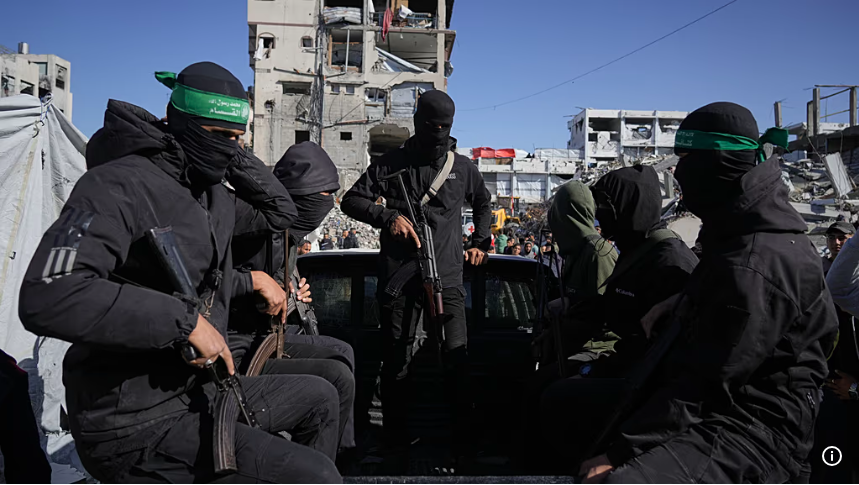

Amnesty International Report Alleges War Crimes and Systematic Abuse
Amnesty International reports that Hamas and other Palestinian armed groups committed crimes against humanity during the October 7, 2023 attacks and in the treatment of hostages, highlighting murder, torture and systematic abuse. The findings intensify calls for international justice and accountability.
Amnesty International has concluded that Palestinian armed groups—including Hamas and its military wing, the Al-Qassam Brigades—committed crimes against humanity during the 7 October 2023 attacks on southern Israel and in their subsequent treatment of hostages. According to the human rights organisation’s report published on 11 December 2025, the actions of Hamas-led militants involved war crimes such as murder, torture, hostage-taking and sexual violence, which were part of a widespread and systematic attack on civilians. Reuters+1
The report, based on interviews with survivors, families of victims, forensic experts and a review of more than 350 visual pieces of evidence, found that the assault resulted in the deaths of around 1,200 people, the majority of whom were civilians, including children. At least 251 people were forcibly taken to Gaza on that day, with many held captive for weeks or months; by most accounts all hostages but one have since been released under subsequent ceasefire arrangements. AL-Monitor
Crimes Against Humanity: What Amnesty Found
Amnesty’s findings mark a significant development in how the international human rights community legally characterises the October 7 attacks. The organisation determined that the violent actions committed by Hamas and allied groups meet the definitions of crimes against humanity and war crimes under international law, including:

-
Murder and extermination
-
Unlawful imprisonment and torture
-
Hostage-taking
-
Cruel treatment and enforced disappearance
-
Sexual violence and other inhumane acts
-
Attacks on civilians and civilian objects — such as homes, communities and public spaces where non-combatants were present.
Amnesty’s analysis emphasised that the attack was not isolated or sporadic, but exhibited a widespread, systematic pattern directed against civilian populations, with fighters allegedly instructed to target residential communities, gatherings at events, kibbutzim and other civilian locations.
Hamas Response and Wider Context
Hamas rejected Amnesty’s conclusions, labelling the report as containing “inaccuracies and contradictions,” and accused the rights group of disseminating “lies” that distort the nature of the resistance movement and its actions. The Islamist organisation also challenged specific allegations, including claims related to sexual violence and mistreatment of captives.
Amnesty’s report comes amid a broader and deeply polarised debate over accountability in the long-running Israel–Palestine conflict. The organisation has also previously accused Israeli forces of atrocities in Gaza, including actions Amnesty characterised as genocide, which Israel has vigorously denied. These twin accusations reflect the broader complexities of the conflict and the challenges of applying international law amid ongoing violence and competing narratives.
Humanitarian Toll Beyond the Attacks
The humanitarian impact of the conflict that followed the October 7 attacks has been catastrophic on both sides. In addition to the lives lost during the initial assault, tens of thousands of people have since been killed, injured or displaced as hostilities expanded across Gaza and southern Israel. Infrastructure, homes and civilian structures have been destroyed or rendered uninhabitable, deepening long-standing crises in the region.
The region continues to be affected by periodic escalations, and efforts toward securing lasting peace have so far been fragile. A US-brokered ceasefire in place since October 2023 has faced challenges, with disputes over disarmament and withdrawal of forces threatening to disrupt further phases of negotiated pauses in the fighting.
International Accountability and Justice
Amnesty’s report calls for full accountability under international law for those responsible for crimes against humanity and war crimes. The organisation emphasises that both Palestinian armed groups and state actors involved in the broader conflict must be held to the same legal standards, and that justice mechanisms should be applied to crimes committed by all parties.
The report underscores that, despite mounting evidence and international scrutiny, no individuals have yet been brought to justice for the crimes documented in the context of the October 7 attacks and subsequent events. This lack of accountability continues to frustrate victims, survivors and families seeking closure and redress.
Conclusion: Looking Ahead
Amnesty International’s latest findings represent a significant moment in recognising and documenting some of the gravest violations of international humanitarian law linked to the Israel–Gaza conflict. While reactions to the report vary widely, it has intensified global discussions on accountability, justice and the application of international standards in armed conflicts involving both state and non-state actors.
As the region continues to grapple with the aftermath of the October 7 attacks and the broader humanitarian crisis, the international community faces mounting pressure to pursue equitable justice mechanisms. This includes ensuring that all violations of human rights and humanitarian law—no matter who commits them—are investigated transparently and impartially, and that survivors and victims’ families receive recognition, redress and support.
Looking forward, the search for peace and stability in the region must be coupled with rigorous accountability to prevent impunity, address grievances and lay the groundwork for sustainable reconciliation in a conflict that has lasted far too
Uploaded files:Share this:
- Click to share on Facebook (Opens in new window) Facebook
- Click to share on X (Opens in new window) X
- Click to share on WhatsApp (Opens in new window) WhatsApp
- Click to share on LinkedIn (Opens in new window) LinkedIn
- Click to email a link to a friend (Opens in new window) Email
- Click to print (Opens in new window) Print