

Trump Issues Ultimatum to Hamas as Israel Accepts US-Brokered Ceasefire

Quote from Alex Bobby on September 8, 2025, 6:19 AM
Trump Says Israel Accepted His Terms to End the War, Urges Hamas to Follow
US President Donald Trump has issued a dramatic ultimatum to Hamas, claiming that Israel has accepted his terms to end the ongoing conflict in Gaza and warning that the militant group should follow suit. In a post on his social media platform Truth Social on Sunday, Trump framed the message as his “last warning,” urging Hamas to agree to a US-brokered ceasefire that he says could finally bring the war to an end.
Trump’s Message: A Last Warning
Trump’s post read:
“Everyone wants the Hostages HOME. Everyone wants this War to end! This is my last warning. There will not be another one.”
Although the post did not specify the full details of the ceasefire proposal, it signalled an intensified effort by the former president to position himself as a key broker in the Gaza conflict. The message was sent shortly after US Special Envoy Steven Witkoff reportedly delivered the ceasefire terms to Hamas on Sunday.
According to US officials familiar with the proposal, the plan is designed to address both humanitarian and political concerns in the conflict. While Israel has already indicated its agreement to the terms, the responsibility now falls on Hamas to respond, with Trump emphasising that time is running out.
The Ceasefire Proposal
The ceasefire proposal reportedly centres around a straightforward exchange: the immediate release of all hostages in Gaza in return for the United States advocating for an end to Israel’s military operation. As part of the plan, Israel would release up to 3,000 Palestinian prisoners, a move that could serve as a key confidence-building measure in the negotiation.
Currently, there are 48 hostages remaining in Gaza, although only around 20 are believed to be alive, according to intelligence estimates. The proposal aims to secure their release as quickly as possible, while also halting further escalation of the conflict that has already claimed thousands of lives on both sides.
Trump’s post underscores the urgency of the situation and the public pressure being applied to Hamas. By framing the message as a “last warning,” the former president has intensified the spotlight on the group, signalling that the US is closely monitoring its response.
Historical Context: Trump and Ceasefire Ultimatums
This is not the first time Trump has issued such an ultimatum to Hamas. Back in March, he sent a similar “last warning,” emphasising the urgency of halting hostilities and prioritising the release of hostages. While the details of that previous initiative were less publicly defined, the approach reflects Trump’s long-standing pattern of using direct messaging to exert pressure on international actors.
Trump’s involvement in Middle East negotiations dates back to his presidency, during which he oversaw significant diplomatic initiatives, including the Abraham Accords that normalised relations between Israel and several Arab nations. While no longer in office, Trump continues to wield influence in political circles and is now leveraging his platform to attempt direct engagement in the Gaza crisis.
Implications for Hamas
The US-brokered proposal places Hamas in a difficult position. Accepting the terms could pave the way for an end to the conflict and the release of hostages, offering a rare opportunity for de-escalation. However, the group faces internal and external pressures, including factions opposed to negotiation with Israel or the United States.
Hamas’ response—or lack thereof—could significantly affect the course of the war. If the group rejects the proposal, hostilities may continue, with devastating humanitarian consequences for civilians in Gaza and Israel. Conversely, acceptance could mark a breakthrough in a conflict that has persisted in cycles of violence for decades.
Experts note that the US involvement in mediating such a deal carries both risks and potential rewards. On one hand, it places Washington in a pivotal role in shaping outcomes; on the other, the political ramifications for Trump, should the plan fail or be rejected, are significant.
Israel’s Position
Israeli officials have publicly confirmed their agreement with the ceasefire proposal, although details of their internal deliberations remain confidential. By agreeing to release up to 3,000 Palestinian prisoners, Israel appears to be signalling a willingness to make concessions in exchange for the immediate release of hostages and a cessation of hostilities.
The move also reflects broader strategic calculations. Halting military operations while securing the safety of hostages could improve Israel’s standing internationally and reduce civilian casualties, a key concern for the US and other global partners involved in mediation.
Humanitarian Stakes
Beyond political manoeuvring, the proposal has immense humanitarian implications. Tens of thousands of civilians in Gaza have been affected by the ongoing conflict, with infrastructure destroyed, hospitals overwhelmed, and displacement widespread. For Israel, the conflict has also resulted in casualties and heightened security concerns.
The potential release of hostages is perhaps the most pressing human concern. Families on both sides have endured months of uncertainty and trauma, and the proposal aims to prioritise their safety above political or strategic calculations.
Next Steps and Uncertainty
As the situation unfolds, the eyes of the world remain fixed on Gaza. US officials are awaiting a response from Hamas, which will determine whether the ceasefire proposal can be implemented. While the public warning from Trump intensifies pressure, it also raises questions about the likelihood of compliance, the credibility of enforcement, and the broader impact on regional stability.
Should Hamas accept, the ceasefire could signal a rare moment of negotiation and de-escalation in a long-standing conflict. Should it reject the terms, the war may continue, potentially escalating further and causing additional civilian suffering.
Looking Forward
As the ceasefire proposal awaits a response from Hamas, the coming days will be crucial in determining the trajectory of the Gaza conflict. If Hamas accepts, it could mark a rare breakthrough, potentially ending hostilities and securing the release of the remaining hostages. Conversely, rejection could prolong the war, intensifying humanitarian suffering and regional instability. Looking forward, international pressure, diplomatic engagement, and public scrutiny will play pivotal roles in shaping the next chapter, with the eyes of the world focused on whether this US-brokered initiative can finally bring a measure of peace to the region.
Final Thoughts
President Trump’s ultimatum to Hamas highlights the high stakes of diplomacy in the Gaza conflict. With Israel reportedly agreeing to the US-brokered terms, the responsibility now rests with Hamas to respond. The outcome will have profound implications—not only for the hostages and civilians caught in the crossfire but also for broader regional stability. Whether this initiative leads to a lasting ceasefire or escalates tensions further, it underscores the delicate balance between political negotiation, humanitarian concerns, and the urgent need for a peaceful resolution in one of the world’s most volatile conflict zones.
Conclusion
Trump’s announcement that Israel has accepted his terms and his ultimatum to Hamas marks a critical moment in the Gaza conflict. The proposal, emphasising hostage release in exchange for a cessation of hostilities and the release of prisoners, represents one of the most significant attempts at diplomacy in the region in recent months.
While the outcome remains uncertain, the situation underscores the complex interplay of diplomacy, military action, and humanitarian concerns in conflicts involving multiple actors with deep-seated grievances. As the world watches, the response from Hamas will be pivotal in determining whether this latest effort can finally bring a measure of peace to a long-troubled region.
Meta Description:
President Trump warns Hamas to accept a US-brokered ceasefire in Gaza, claiming Israel has agreed to the terms, including the release of hostages and up to 3,000 Palestinian prisoners.
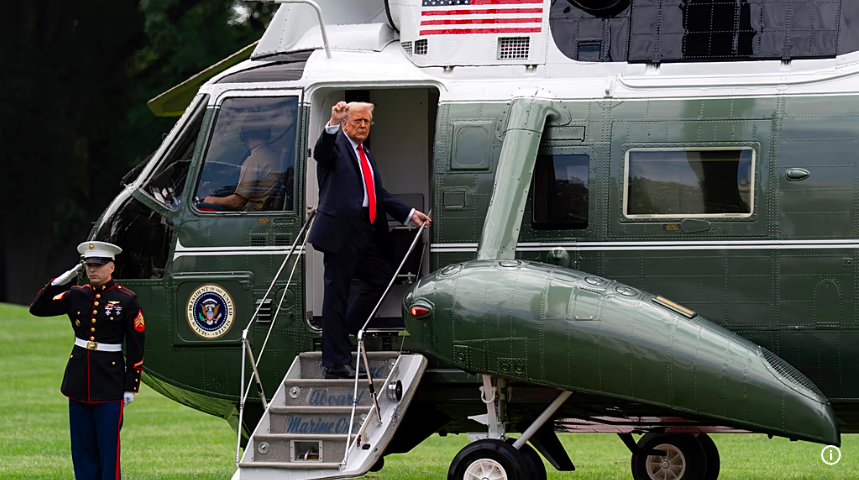
Trump Says Israel Accepted His Terms to End the War, Urges Hamas to Follow
US President Donald Trump has issued a dramatic ultimatum to Hamas, claiming that Israel has accepted his terms to end the ongoing conflict in Gaza and warning that the militant group should follow suit. In a post on his social media platform Truth Social on Sunday, Trump framed the message as his “last warning,” urging Hamas to agree to a US-brokered ceasefire that he says could finally bring the war to an end.
Trump’s Message: A Last Warning
Register for Tekedia Mini-MBA edition 20 (June 8 – Sept 5, 2026).
Register for Tekedia AI in Business Masterclass.
Join Tekedia Capital Syndicate and co-invest in great global startups.
Register for Tekedia AI Lab.
Trump’s post read:
“Everyone wants the Hostages HOME. Everyone wants this War to end! This is my last warning. There will not be another one.”
Although the post did not specify the full details of the ceasefire proposal, it signalled an intensified effort by the former president to position himself as a key broker in the Gaza conflict. The message was sent shortly after US Special Envoy Steven Witkoff reportedly delivered the ceasefire terms to Hamas on Sunday.

According to US officials familiar with the proposal, the plan is designed to address both humanitarian and political concerns in the conflict. While Israel has already indicated its agreement to the terms, the responsibility now falls on Hamas to respond, with Trump emphasising that time is running out.
The Ceasefire Proposal
The ceasefire proposal reportedly centres around a straightforward exchange: the immediate release of all hostages in Gaza in return for the United States advocating for an end to Israel’s military operation. As part of the plan, Israel would release up to 3,000 Palestinian prisoners, a move that could serve as a key confidence-building measure in the negotiation.

Currently, there are 48 hostages remaining in Gaza, although only around 20 are believed to be alive, according to intelligence estimates. The proposal aims to secure their release as quickly as possible, while also halting further escalation of the conflict that has already claimed thousands of lives on both sides.
Trump’s post underscores the urgency of the situation and the public pressure being applied to Hamas. By framing the message as a “last warning,” the former president has intensified the spotlight on the group, signalling that the US is closely monitoring its response.
Historical Context: Trump and Ceasefire Ultimatums
This is not the first time Trump has issued such an ultimatum to Hamas. Back in March, he sent a similar “last warning,” emphasising the urgency of halting hostilities and prioritising the release of hostages. While the details of that previous initiative were less publicly defined, the approach reflects Trump’s long-standing pattern of using direct messaging to exert pressure on international actors.
Trump’s involvement in Middle East negotiations dates back to his presidency, during which he oversaw significant diplomatic initiatives, including the Abraham Accords that normalised relations between Israel and several Arab nations. While no longer in office, Trump continues to wield influence in political circles and is now leveraging his platform to attempt direct engagement in the Gaza crisis.
Implications for Hamas
The US-brokered proposal places Hamas in a difficult position. Accepting the terms could pave the way for an end to the conflict and the release of hostages, offering a rare opportunity for de-escalation. However, the group faces internal and external pressures, including factions opposed to negotiation with Israel or the United States.
Hamas’ response—or lack thereof—could significantly affect the course of the war. If the group rejects the proposal, hostilities may continue, with devastating humanitarian consequences for civilians in Gaza and Israel. Conversely, acceptance could mark a breakthrough in a conflict that has persisted in cycles of violence for decades.
Experts note that the US involvement in mediating such a deal carries both risks and potential rewards. On one hand, it places Washington in a pivotal role in shaping outcomes; on the other, the political ramifications for Trump, should the plan fail or be rejected, are significant.
Israel’s Position
Israeli officials have publicly confirmed their agreement with the ceasefire proposal, although details of their internal deliberations remain confidential. By agreeing to release up to 3,000 Palestinian prisoners, Israel appears to be signalling a willingness to make concessions in exchange for the immediate release of hostages and a cessation of hostilities.
The move also reflects broader strategic calculations. Halting military operations while securing the safety of hostages could improve Israel’s standing internationally and reduce civilian casualties, a key concern for the US and other global partners involved in mediation.
Humanitarian Stakes
Beyond political manoeuvring, the proposal has immense humanitarian implications. Tens of thousands of civilians in Gaza have been affected by the ongoing conflict, with infrastructure destroyed, hospitals overwhelmed, and displacement widespread. For Israel, the conflict has also resulted in casualties and heightened security concerns.
The potential release of hostages is perhaps the most pressing human concern. Families on both sides have endured months of uncertainty and trauma, and the proposal aims to prioritise their safety above political or strategic calculations.
Next Steps and Uncertainty
As the situation unfolds, the eyes of the world remain fixed on Gaza. US officials are awaiting a response from Hamas, which will determine whether the ceasefire proposal can be implemented. While the public warning from Trump intensifies pressure, it also raises questions about the likelihood of compliance, the credibility of enforcement, and the broader impact on regional stability.
Should Hamas accept, the ceasefire could signal a rare moment of negotiation and de-escalation in a long-standing conflict. Should it reject the terms, the war may continue, potentially escalating further and causing additional civilian suffering.
Looking Forward
As the ceasefire proposal awaits a response from Hamas, the coming days will be crucial in determining the trajectory of the Gaza conflict. If Hamas accepts, it could mark a rare breakthrough, potentially ending hostilities and securing the release of the remaining hostages. Conversely, rejection could prolong the war, intensifying humanitarian suffering and regional instability. Looking forward, international pressure, diplomatic engagement, and public scrutiny will play pivotal roles in shaping the next chapter, with the eyes of the world focused on whether this US-brokered initiative can finally bring a measure of peace to the region.
Final Thoughts
President Trump’s ultimatum to Hamas highlights the high stakes of diplomacy in the Gaza conflict. With Israel reportedly agreeing to the US-brokered terms, the responsibility now rests with Hamas to respond. The outcome will have profound implications—not only for the hostages and civilians caught in the crossfire but also for broader regional stability. Whether this initiative leads to a lasting ceasefire or escalates tensions further, it underscores the delicate balance between political negotiation, humanitarian concerns, and the urgent need for a peaceful resolution in one of the world’s most volatile conflict zones.
Conclusion
Trump’s announcement that Israel has accepted his terms and his ultimatum to Hamas marks a critical moment in the Gaza conflict. The proposal, emphasising hostage release in exchange for a cessation of hostilities and the release of prisoners, represents one of the most significant attempts at diplomacy in the region in recent months.
While the outcome remains uncertain, the situation underscores the complex interplay of diplomacy, military action, and humanitarian concerns in conflicts involving multiple actors with deep-seated grievances. As the world watches, the response from Hamas will be pivotal in determining whether this latest effort can finally bring a measure of peace to a long-troubled region.
Meta Description:
President Trump warns Hamas to accept a US-brokered ceasefire in Gaza, claiming Israel has agreed to the terms, including the release of hostages and up to 3,000 Palestinian prisoners.
Share this:
- Click to share on Facebook (Opens in new window) Facebook
- Click to share on X (Opens in new window) X
- Click to share on WhatsApp (Opens in new window) WhatsApp
- Click to share on LinkedIn (Opens in new window) LinkedIn
- Click to email a link to a friend (Opens in new window) Email
- Click to print (Opens in new window) Print