

World Cup 2026 Ticket Prices Branded ‘Extortionate’ as Fans Slam FIFA

Quote from Alex Bobby on December 12, 2025, 3:03 AM
Fans accuse FIFA of a “monumental betrayal” as World Cup 2026 ticket prices surge far beyond earlier promises, sparking outcry over dynamic pricing and accessibility concerns
FIFA Accused of ‘Monumental Betrayal’ Over ‘Extortionate’ 2026 World Cup Ticket Prices
Football fans across the globe are accusing FIFA of a “monumental betrayal” after new price ranges for the 2026 World Cup began circulating—revealing costs far higher than initially promised. With dynamic pricing now in effect and supporters seeing figures far beyond FIFA’s earlier assurances, frustration has erupted into a full-blown backlash from fan associations and national team supporters alike.
Broken Promises and Sky-High Prices
In September, FIFA announced that tickets released through its official website would initially range from €51 for group-stage matches to €5,727 for the final, with prices “subject to change” as a result of dynamic pricing. While many fans anticipated some fluctuation, the newly revealed numbers have surpassed expectations—and not in a good way.
A price list published by the German Football Federation (DFB) triggered widespread outrage. According to that list:
- Group-stage tickets range from $180 to $700 (€153–€595)
- Tickets for the final start at $4,185 (€3,561)
- The highest-priced final ticket reaches $8,680 (€7,387)
These figures stand in stark contrast to FIFA’s earlier claim that $60 (€51) tickets would be available for the early phases of the tournament. And they contradict one of the original promises made when the United States, Mexico, and Canada were bidding to host the 2026 World Cup: that hundreds of thousands of $21 (€17) seats would be made accessible to fans across the opening rounds.
For many supporters, the difference between the expectations set during the bidding process and the reality they are now facing feels like a deliberate shift—one that prices out the very people who animate the global football spectacle.
Fan Groups: “A Monumental Betrayal”
Football Supporters Europe (FSE), one of the largest and most influential fan-rights organisations, condemned the reported prices in unequivocal terms. Referring to them as “extortionate,” the organisation released a sharply worded statement saying:
“This is a monumental betrayal of the tradition of the World Cup, ignoring the contribution of supporters to the spectacle it is.”
FSE argues that FIFA’s shift toward aggressive dynamic pricing reflects a larger trend: treating football primarily as a commercial commodity rather than a cultural institution built on the passion and loyalty of its global supporter base.
The move also contradicts the growing push from fan organisations for more transparent pricing and ticket allocation processes. Supporters have spent years campaigning for affordable access, especially to major tournaments where demand is high but budgets for many fans remain tight. According to FSE, the prices now circulating make the World Cup—a historically unifying, global celebration—feel increasingly exclusive.
The Allocation Issue: Who Really Gets Access?
Another point of contention lies in how tickets are distributed. FIFA allocates 8% of stadium capacity to national federations for matches involving their teams. These are typically the tickets designated for the most loyal supporters—those who travel consistently, attend qualifiers, and maintain long-standing membership in official fan clubs.
But even within this 8%, the newly revealed pricing shows little relief. Many supporters argue that the prices fail to reflect the spirit of accessibility and inclusivity promised by both FIFA and the 2026 hosts.
For fans planning to cross borders, book flights, secure accommodation, and take time off work, the soaring ticket prices compound already significant financial burdens. The World Cup may stretch across three countries for the first time ever, but it’s becoming increasingly clear that the economic footprint is stretching too—often beyond the reach of average supporters.
Dynamic Pricing: The Core of the Controversy
FIFA’s introduction of dynamic pricing is at the heart of fan frustration. The model, common in airline and hotel industries, adjusts prices in real time based on demand. When applied to World Cup matches, particularly those involving popular teams or crucial knockout stages, the system naturally drives prices upward.
For fans, the concern is simple:
What started as a promise of affordability has turned into an algorithm-driven free-for-all in which loyalty and passion play no role.Critics argue that the governing body is prioritising profit over tradition, community, and the game’s grassroots foundation. Supporters say this approach risks turning the planet’s biggest sporting event into an elite experience reserved for those who can out-spend the global average.
What This Means for the 2026 Tournament
The 2026 World Cup is already historic—48 teams, three host nations, and the most expansive tournament format ever. But rising ticket prices threaten to overshadow the excitement. Some fan groups fear that stadiums could end up filled with corporate guests and tourists rather than lifelong supporters whose energy shapes the atmosphere of every iconic World Cup moment.
Others worry about inequity between countries. For fans coming from nations with weaker currencies or limited average incomes, even the lowest-priced seats could end up costing months of salaries.
The perception that FIFA is abandoning its commitment to accessibility is stirring resentment long before the first whistle blows.
Final Thought
Ultimately, the backlash over World Cup 2026 ticket prices is about more than economics—it’s about preserving the soul of the sport. Football’s greatest tournament was built on shared passion, collective energy, and the belief that the world’s game should remain accessible to the world’s people. As FIFA faces mounting criticism, the organisation now stands at a crossroads: it can either reaffirm its commitment to supporters or risk turning the World Cup into an event defined not by unity, but by exclusion. Looking ahead, fans are hoping not just for fairer prices, but for a return to the values that made the tournament iconic in the first place.
Conclusion: Looking Ahead
The concerns raised by fans are not simply about numbers—they are about trust, transparency, and the identity of the World Cup. For nearly a century, the tournament has been celebrated as a global gathering for ordinary supporters, families, young people, and communities who live and breathe football.
If ticket prices continue on this trajectory, FIFA risks alienating the very people who make the World Cup what it is.
Looking forward, the governing body faces a choice:
rebuild its credibility by recommitting to affordability—or continue down a path that transforms football’s greatest stage into a luxury event.Supporters will be watching closely. And right now, they’re demanding more than corporate statements or algorithm-based pricing—they’re demanding the return of the World Cup they were promised.
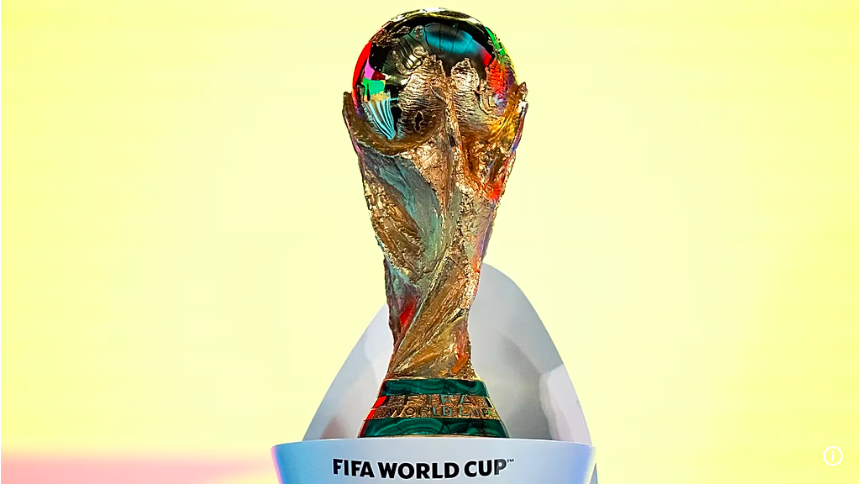
Fans accuse FIFA of a “monumental betrayal” as World Cup 2026 ticket prices surge far beyond earlier promises, sparking outcry over dynamic pricing and accessibility concerns
FIFA Accused of ‘Monumental Betrayal’ Over ‘Extortionate’ 2026 World Cup Ticket Prices
Football fans across the globe are accusing FIFA of a “monumental betrayal” after new price ranges for the 2026 World Cup began circulating—revealing costs far higher than initially promised. With dynamic pricing now in effect and supporters seeing figures far beyond FIFA’s earlier assurances, frustration has erupted into a full-blown backlash from fan associations and national team supporters alike.
Broken Promises and Sky-High Prices
In September, FIFA announced that tickets released through its official website would initially range from €51 for group-stage matches to €5,727 for the final, with prices “subject to change” as a result of dynamic pricing. While many fans anticipated some fluctuation, the newly revealed numbers have surpassed expectations—and not in a good way.
A price list published by the German Football Federation (DFB) triggered widespread outrage. According to that list:
Register for Tekedia Mini-MBA edition 19 (Feb 9 – May 2, 2026).
Register for Tekedia AI in Business Masterclass.
Join Tekedia Capital Syndicate and co-invest in great global startups.
Register for Tekedia AI Lab.
- Group-stage tickets range from $180 to $700 (€153–€595)
- Tickets for the final start at $4,185 (€3,561)
- The highest-priced final ticket reaches $8,680 (€7,387)
These figures stand in stark contrast to FIFA’s earlier claim that $60 (€51) tickets would be available for the early phases of the tournament. And they contradict one of the original promises made when the United States, Mexico, and Canada were bidding to host the 2026 World Cup: that hundreds of thousands of $21 (€17) seats would be made accessible to fans across the opening rounds.
For many supporters, the difference between the expectations set during the bidding process and the reality they are now facing feels like a deliberate shift—one that prices out the very people who animate the global football spectacle.
Fan Groups: “A Monumental Betrayal”

Football Supporters Europe (FSE), one of the largest and most influential fan-rights organisations, condemned the reported prices in unequivocal terms. Referring to them as “extortionate,” the organisation released a sharply worded statement saying:
“This is a monumental betrayal of the tradition of the World Cup, ignoring the contribution of supporters to the spectacle it is.”
FSE argues that FIFA’s shift toward aggressive dynamic pricing reflects a larger trend: treating football primarily as a commercial commodity rather than a cultural institution built on the passion and loyalty of its global supporter base.

The move also contradicts the growing push from fan organisations for more transparent pricing and ticket allocation processes. Supporters have spent years campaigning for affordable access, especially to major tournaments where demand is high but budgets for many fans remain tight. According to FSE, the prices now circulating make the World Cup—a historically unifying, global celebration—feel increasingly exclusive.
The Allocation Issue: Who Really Gets Access?
Another point of contention lies in how tickets are distributed. FIFA allocates 8% of stadium capacity to national federations for matches involving their teams. These are typically the tickets designated for the most loyal supporters—those who travel consistently, attend qualifiers, and maintain long-standing membership in official fan clubs.
But even within this 8%, the newly revealed pricing shows little relief. Many supporters argue that the prices fail to reflect the spirit of accessibility and inclusivity promised by both FIFA and the 2026 hosts.
For fans planning to cross borders, book flights, secure accommodation, and take time off work, the soaring ticket prices compound already significant financial burdens. The World Cup may stretch across three countries for the first time ever, but it’s becoming increasingly clear that the economic footprint is stretching too—often beyond the reach of average supporters.
Dynamic Pricing: The Core of the Controversy
FIFA’s introduction of dynamic pricing is at the heart of fan frustration. The model, common in airline and hotel industries, adjusts prices in real time based on demand. When applied to World Cup matches, particularly those involving popular teams or crucial knockout stages, the system naturally drives prices upward.
For fans, the concern is simple:
What started as a promise of affordability has turned into an algorithm-driven free-for-all in which loyalty and passion play no role.
Critics argue that the governing body is prioritising profit over tradition, community, and the game’s grassroots foundation. Supporters say this approach risks turning the planet’s biggest sporting event into an elite experience reserved for those who can out-spend the global average.
What This Means for the 2026 Tournament
The 2026 World Cup is already historic—48 teams, three host nations, and the most expansive tournament format ever. But rising ticket prices threaten to overshadow the excitement. Some fan groups fear that stadiums could end up filled with corporate guests and tourists rather than lifelong supporters whose energy shapes the atmosphere of every iconic World Cup moment.
Others worry about inequity between countries. For fans coming from nations with weaker currencies or limited average incomes, even the lowest-priced seats could end up costing months of salaries.
The perception that FIFA is abandoning its commitment to accessibility is stirring resentment long before the first whistle blows.
Final Thought
Ultimately, the backlash over World Cup 2026 ticket prices is about more than economics—it’s about preserving the soul of the sport. Football’s greatest tournament was built on shared passion, collective energy, and the belief that the world’s game should remain accessible to the world’s people. As FIFA faces mounting criticism, the organisation now stands at a crossroads: it can either reaffirm its commitment to supporters or risk turning the World Cup into an event defined not by unity, but by exclusion. Looking ahead, fans are hoping not just for fairer prices, but for a return to the values that made the tournament iconic in the first place.
Conclusion: Looking Ahead
The concerns raised by fans are not simply about numbers—they are about trust, transparency, and the identity of the World Cup. For nearly a century, the tournament has been celebrated as a global gathering for ordinary supporters, families, young people, and communities who live and breathe football.
If ticket prices continue on this trajectory, FIFA risks alienating the very people who make the World Cup what it is.
Looking forward, the governing body faces a choice:
rebuild its credibility by recommitting to affordability—or continue down a path that transforms football’s greatest stage into a luxury event.
Supporters will be watching closely. And right now, they’re demanding more than corporate statements or algorithm-based pricing—they’re demanding the return of the World Cup they were promised.
Uploaded files:Share this:
- Click to share on Facebook (Opens in new window) Facebook
- Click to share on X (Opens in new window) X
- Click to share on WhatsApp (Opens in new window) WhatsApp
- Click to share on LinkedIn (Opens in new window) LinkedIn
- Click to email a link to a friend (Opens in new window) Email
- Click to print (Opens in new window) Print