

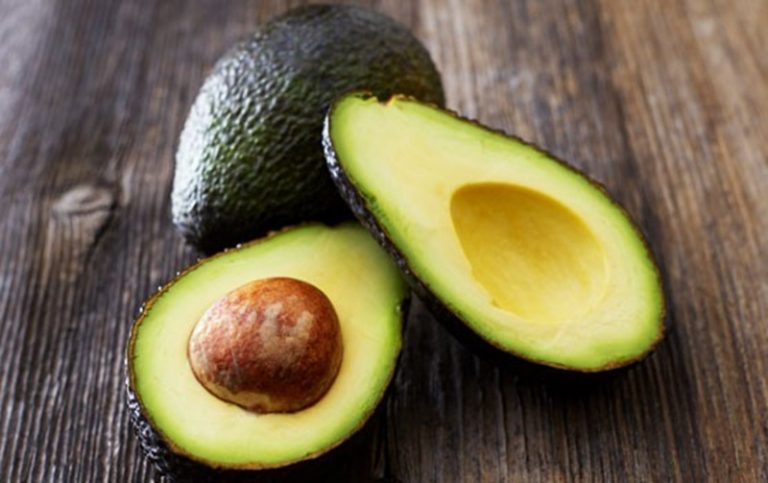
Similar to other tropical fruits, the global avocado market has been estimated and predicted multiple times over the last three years by market analysts. One such analysis indicates that the market was valued at $15.8 billion in 2023 and is expected to exceed $26 billion by 2030. According to our analyst, this equates to an annual growth of over $3.7 billion. In Nigeria, experts suggest that the country has the potential to generate over N12 billion annually if stakeholders actively explore the fruit for industrial use and exportation. An expert also notes that its profitability surpasses that of many other tropical fruits.
Considering the market’s growth, our analyst examines Nigerian public search interest over the past five years. Our analysis indicates significant search activity from the southern and north-central regions, likely influenced by cultural, economic, or agricultural factors. Further examination highlights Cross River, Plateau, Abi, Akwa Ibom, and Edo as the dominant states.
Additionally, our analysis reveals that the majority of users searching for avocado-related information during this period were interested in topics such as avocado oil, the health benefits of avocado, avocado oil for lips, how to use avocado for hair growth, the best oil for hair growth, olive oil versus avocado oil, the uses of avocado oil, and avocado oil for skin care.
Register for Tekedia Mini-MBA edition 20 (June 8 – Sept 5, 2026).
Register for Tekedia AI in Business Masterclass.
Join Tekedia Capital Syndicate and co-invest in great global startups.
Register for Tekedia AI Lab.
Growing Avocado in Nigeria
Avocado farming presents an incredible opportunity for Nigerian farmers, both in terms of health benefits and economic prosperity. With increasing global demand, particularly for Hass avocados and avocado oil, Nigeria stands to gain significantly from expanding its avocado production. Farmers who adopt the best agronomic practices and capitalize on the various avocado by-products can secure a profitable and sustainable future in the industry. Whether for consumption, cosmetics, or export, the avocado truly lives up to its reputation as the “green gold.
Nigeria’s tropical climate provides the perfect conditions for growing Hass avocados, a highly sought-after variety with strong export potential. With abundant underground water sources, farmers in Nigeria can produce avocados year-round. Many are now embracing avocado farming as a lucrative venture, and grafted Hass avocado trees are available to help farmers kick-start their journey. Under good agronomic practices, these trees begin fruiting within 2-3 years, ensuring a quicker return on investment.
Avocado By-Products
Avocado oil, extracted from pulp, is highly valued in the culinary world for its high smoke point and neutral flavour, making it an excellent choice for cooking. Beyond the kitchen, it plays a crucial role in cosmetics, widely incorporated into skincare and haircare products for its moisturizing and nourishing properties. Avocado seeds, or pits, also offer a range of applications. In the pharmaceutical industry, they are processed into powders or extracts, commonly used in dietary supplements. Additionally, seed extracts are a key ingredient in beauty products, prized for their bioactive properties.

The often-overlooked avocado peel is a rich source of bioactive compounds, including antioxidants and phenolic compounds, which can be harnessed for functional foods or cosmetic formulations. Avocado-based food products have also gained popularity. The fruit is processed into purees, powders, and even avocado-infused honey, expanding its culinary versatility. Moreover, avocado oil is becoming a preferred alternative to traditional shortening in baking, offering a healthier option for baked goods.