

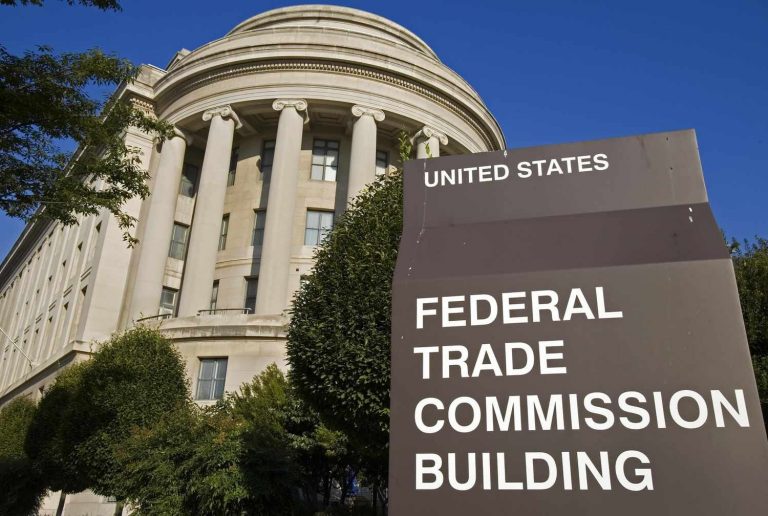
The U.S. Federal Trade Commission (FTC) has launched investigations into Amazon.com and Alphabet’s Google to determine whether the tech giants misled advertisers about the terms and pricing of ads placed on their platforms, a source familiar with the matter told Reuters on Friday.
The probes, led by the FTC’s consumer protection unit, center on whether the companies properly disclosed how their ad auctions work and the costs advertisers ultimately face.
At the heart of the FTC’s inquiry into Amazon is its use of advertising auctions, where businesses bid to have their products prominently displayed in search results and recommendation feeds. Regulators are specifically examining whether Amazon adequately disclosed its use of “reserve pricing” — a mechanism setting the minimum price advertisers must meet before winning ad placement.
Register for Tekedia Mini-MBA edition 20 (June 8 – Sept 5, 2026).
Register for Tekedia AI in Business Masterclass.
Join Tekedia Capital Syndicate and co-invest in great global startups.
Register for Tekedia AI Lab.
Such practices, if not transparently communicated, could leave advertisers at a disadvantage, bidding against thresholds they were never made fully aware of.
Google, which dominates the global online ad market, is facing similar scrutiny. According to the source, the FTC is looking into the company’s internal pricing processes to assess whether it raised ad costs in ways that were not clearly disclosed to advertisers.
Meta’s parallel struggles
The FTC’s focus on Amazon and Google mirrors concerns raised in recent years over Meta’s ad business, which remains the second-largest in the world behind Google. Advertisers have long complained that Meta’s platforms — Facebook and Instagram — also operate with opaque pricing models, particularly in how costs are determined during bidding wars for placement in news feeds or Stories.

In 2020, reports surfaced that Meta failed to fully disclose certain limits in its ad metrics, leading to lawsuits from advertisers who argued they had been misled about reach and engagement. Although the company settled some of those disputes, the cases underscored how the entire digital ad ecosystem has been criticized for its lack of transparency.
Analysts say the new FTC probes suggest regulators are now broadening their lens beyond individual cases and targeting structural practices across the industry.
A broader backdrop of ad-tech dominance
The investigations mark the latest regulatory challenge for two companies that together account for the bulk of global digital ad spending. Both Amazon and Google have built multibillion-dollar businesses on digital advertising, with Amazon rapidly rising as the third-largest U.S. ad player behind Google and Meta.

Globally, Google remains the leader, generating more than $200 billion annually from search and YouTube ads. Amazon’s ad business, though smaller, has been growing faster, topping $46 billion in revenue in 2023.
Critics have long accused the companies of using opaque pricing models that leave advertisers guessing how much of their spending is actually going toward winning bids versus platform-controlled margins.
The FTC’s move echoes regulatory probes in Europe, where authorities have repeatedly pressed Google over its dominance in online ads and the lack of transparency in its auction systems. In 2021, French regulators fined Google €220 million for abusing its market position in ad-tech.
Amazon, meanwhile, has faced scrutiny over whether its retail platform gives preference to its own products and services in search and ad rankings — issues that overlap with how it structures advertising slots.
While the current FTC inquiries are preliminary, analysts say they highlight the agency’s growing focus on ad-tech practices as a core part of its consumer protection mandate.
If regulators determine that Amazon or Google misled advertisers, the companies could face fines or be forced to overhaul how they disclose ad pricing and auction mechanisms. That could ripple across the digital advertising industry, where pricing opacity has long been a source of frustration for small and mid-sized businesses trying to compete with larger advertisers.
The investigations, for now, put two of Silicon Valley’s most powerful companies under fresh scrutiny — at a time when their dominance in the ad business is already being challenged by rising competitors such as TikTok and retail media networks.