

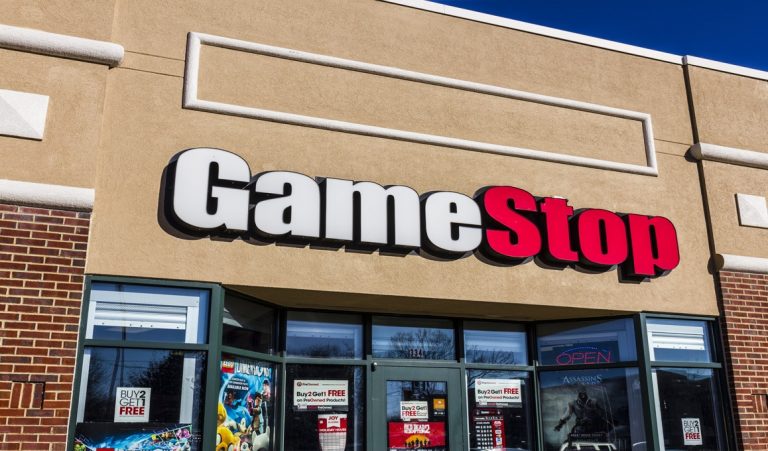
GameStop shares tumbled more than 10% after the company announced plans to exchange a portion of its privately held notes for equity, a move that immediately sparked concerns among investors about shareholder dilution and the company’s long-term capital strategy.
While debt-for-equity exchanges are often used to strengthen corporate balance sheets, equity investors frequently react negatively because issuing new shares reduces the ownership percentage of existing shareholders.
The announcement comes as GameStop continues its transformation from a traditional brick-and-mortar video game retailer into a company seeking new avenues for growth.
Over the past several years, GameStop has become one of the most closely watched stocks in the market, fueled by retail investor enthusiasm, meme-stock status, and periodic strategic pivots that have included investments in digital assets and technology initiatives.
Register for the next Tekedia Mini-MBA.
Register for Tekedia AI in Business Masterclass.
Join Tekedia Capital Syndicate and co-invest in great global startups.
Despite these efforts, the company continues to face significant challenges in building sustainable revenue growth amid declining physical game sales and increasing competition from digital distribution platforms.
The exchange of private notes for equity is designed to reduce debt obligations while improving financial flexibility. By replacing debt with newly issued shares, GameStop lowers future interest expenses and strengthens its balance sheet.
Such transactions can provide companies with additional liquidity and improve financial stability, particularly during periods of economic uncertainty or when management wants to preserve cash for strategic investments.

Wall Street often views these transactions through a different lens. Existing shareholders may experience dilution as new shares are issued to noteholders, reducing earnings per share and potentially limiting future upside for current investors.
The market’s swift reaction suggests that investors are concerned the benefits of lower debt may not immediately outweigh the costs associated with increased share issuance.
Analysts noted that the timing of the announcement raised questions about management’s broader capital allocation strategy. GameStop has accumulated substantial cash reserves in recent years through equity offerings and has explored investments beyond its traditional retail operations.
Investors are now watching closely to determine whether the latest balance-sheet restructuring is intended to prepare for acquisitions, technology investments, or additional diversification initiatives. The decline in GameStop’s stock price reflects broader market sensitivity toward companies issuing equity during uncertain market conditions.

Investors have become increasingly cautious about businesses relying on share issuance to finance operations, especially as higher interest rates and slower economic growth continue to influence corporate financing decisions. Reducing debt is generally viewed as financially prudent, dilution concerns often dominate short-term market sentiment.
Retail investors, who have played a defining role in GameStop’s remarkable market history, remain divided over the company’s latest move. Some view the exchange as a responsible financial decision that positions the company for long-term stability.
While others worry that continued equity issuance could erode shareholder value over time. The mixed reactions highlight the unique nature of GameStop’s investor base, where traditional valuation metrics often intersect with community-driven investment narratives.
The success of GameStop’s strategy will depend on how effectively management deploys its strengthened balance sheet. Investors will be watching future earnings reports, cash deployment decisions, and operational performance for evidence that the company can translate improved financial flexibility into sustainable business growth.
While the debt-for-equity exchange may reduce financial risk, the ultimate measure of success will be whether GameStop can generate stronger revenues, improve profitability, and deliver long-term value for shareholders. Until then, market volatility is likely to remain a defining characteristic of one of Wall Street’s most closely followed companies.