

The government of Ghana is taking decisive steps to regulate the country’s burgeoning cryptocurrency sector by introducing a licensing framework for crypto platforms.
This strategic move is aimed at addressing the growing use of digital assets both within Ghana and West Africa.
At the forefront of this development is the Bank of Ghana, which is leading efforts to implement a comprehensive regulatory framework expected to become law by September 2025.
Register for Tekedia Mini-MBA edition 20 (June 8 – Sept 5, 2026).
Register for Tekedia AI in Business Masterclass.
Join Tekedia Capital Syndicate and co-invest in great global startups.
Register for Tekedia AI Lab.
The upcoming legislation seeks to formalize cryptocurrency operations, attract investment, boost international trade, and enable real-time financial data collection.
As part of this initiative, the Bank of Ghana plans to establish a dedicated unit to supervise the digital asset sector once the law is enacted. This regulatory structure will mark the country’s first formal system for overseeing Virtual Asset Service Providers (VASPs), laying out licensing requirements and compliance standards. Regulatory responsibilities will be shared between the Bank of Ghana and the Securities and Exchange Commission (SEC).
Speaking during a panel at the African Leaders and Partners Forum in May 2025, a Bank of Ghana representative noted that the legal foundation for oversight hinges on the passage of the Virtual Asset Providers Act. The legislation outlines key areas such as consumer protection, financial stability, cybersecurity, and the integration of digital assets into the broader financial system.

This development is coming after the Bank of Ghana has taken notice of recent developments in the use, holding, and trading of virtual or digital currencies (also known as cryptocurrencies), such as Bitcoin in Ghana.
Crypto use has been quietly booming in Ghana over the last few years. More than 3 million adults about 17% of the adult population are now using digital currencies like Bitcoin and USDT, with estimates suggesting over 900,000 individuals (3.01% of the population) own at least one type of cryptocurrency as of 2022.
Cryptocurrency transactions surged by over 150% between 2022 and 2023, with peer-to-peer (P2P) trading volumes growing by 120% year-on-year, placing Ghana among the top 10 countries in sub-Saharan Africa for crypto adoption. On the global scale, Ghana ranked 29th globally in cryptocurrency adoption according to the Chainalysis Global Crypto Adoption Index (2023) and 4th in Africa for crypto interest, behind Nigeria, South Africa, and Morocco.

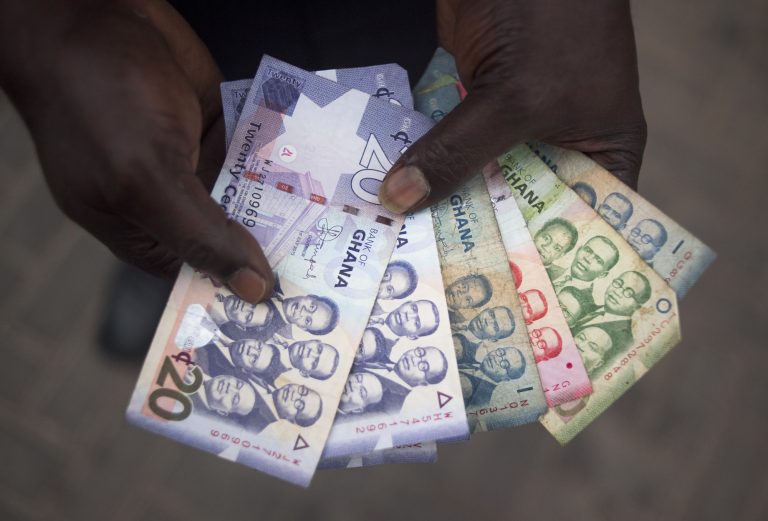
The hope is that regulating the crypto sector will help the Ghana capture revenue and better control its fiat currency. The cedi has grown over 40% against the U.S. dollar in 2025, helping it recover from a loss of nearly 20% last year. This volatility has made it difficult for the central bank to manage inflation.
In a statement made in May, the Bank of Ghana emphasized that all cryptocurrency-related businesses will be required to register and comply with Know Your Customer (KYC) and anti-money laundering protocols aligned with international standards. This includes both existing players and new entrants into the industry.
The regulatory push is also expected to drive improvements in security and transparency, fostering a more resilient and competitive crypto ecosystem in Ghana and across the West African region. For Ghanaian crypto users, the law represents a major milestone. It promises legal protection in cases of disputes or service failures, providing much-needed assurance and confidence in the digital asset space.