

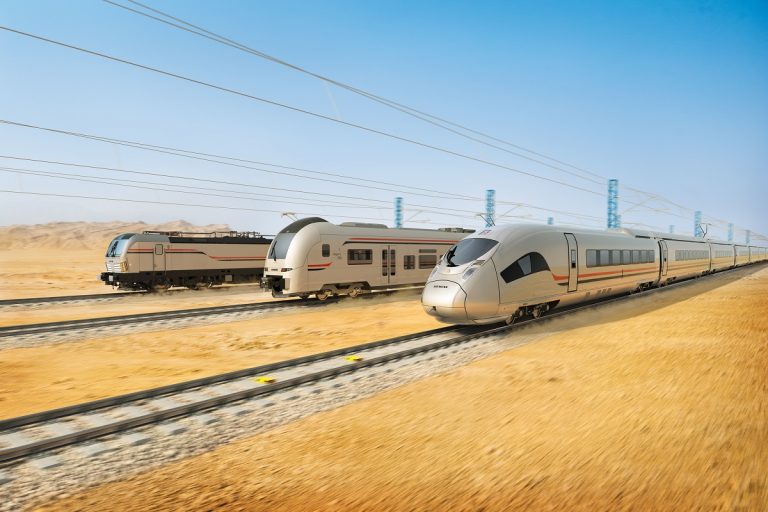
The global rail industry is entering a new phase of consolidation and technological modernization, and Siemens’ decision to expand its rail portfolio through acquisitions involving MERMEC represents a major strategic development in the transportation sector.
The move highlights how industrial giants are positioning themselves for a future shaped by smart mobility, digital rail systems, and sustainable infrastructure investments. As governments across Europe, Asia, and North America increase spending on rail modernization, companies capable of offering integrated mobility solutions are expected to dominate the next era of transportation.
Siemens has long been one of the world’s most influential engineering and mobility firms. Through its rail division, Siemens Mobility, the company has established itself as a leader in high-speed trains, signaling systems, electrification, and digital rail infrastructure. The acquisition strategy involving MERMEC reflects Siemens’ ambition to strengthen its technological capabilities and broaden its reach in the rapidly evolving rail ecosystem.
MERMEC is widely recognized for its advanced railway diagnostics, signaling, and measurement technologies. The company specializes in systems that monitor rail infrastructure, inspect track conditions, and improve operational safety.
Register for the next Tekedia Mini-MBA.
Register for Tekedia AI in Business Masterclass.
Join Tekedia Capital Syndicate and co-invest in great global startups.
These technologies are increasingly critical as rail networks become more digitized and data-driven. Modern rail operators are no longer focused solely on trains themselves; they are investing heavily in predictive maintenance, automated inspection systems, and intelligent infrastructure capable of reducing delays and improving efficiency.
By incorporating MERMEC’s expertise into its global rail operations, Siemens can significantly enhance its service portfolio. The acquisition allows Siemens to offer customers more comprehensive end-to-end rail solutions, ranging from rolling stock and signaling to infrastructure analytics and maintenance optimization. This creates a stronger competitive position against global rivals such as Alstom and Hitachi Rail, both of which have also pursued aggressive expansion strategies in recent years.
The timing of the move is particularly significant. Governments worldwide are accelerating investment in rail infrastructure as part of broader climate and sustainability initiatives. Rail transport is widely regarded as one of the most environmentally efficient forms of mass transportation, producing far lower emissions than road or air travel.
In Europe especially, policymakers are pushing for expanded rail connectivity to reduce carbon footprints and strengthen regional mobility networks. Siemens’ expansion through MERMEC positions the company to benefit from this wave of public and private investment.

Another important aspect of the acquisition is the growing importance of digitalization in transportation. Rail systems are becoming increasingly dependent on artificial intelligence, real-time monitoring, automation, and predictive analytics. MERMEC’s diagnostic technologies complement Siemens’ digital mobility ambitions by improving infrastructure visibility and operational intelligence.
In practical terms, this means fewer disruptions, better maintenance scheduling, lower operational costs, and safer railway systems. From a business perspective, acquisitions like this also reflect the broader industrial trend toward consolidation. As rail projects become more technologically complex, customers increasingly prefer large firms capable of delivering integrated solutions under a single ecosystem.
Siemens understands that scale, software integration, and technological specialization will define future leadership in the rail sector. Siemens’ expansion through MERMEC acquisitions demonstrates more than a simple corporate transaction. It represents a strategic bet on the future of intelligent transportation infrastructure. As rail networks evolve into digitally connected mobility systems, companies that combine engineering expertise with advanced data capabilities are likely to shape the future of global transportation.
