

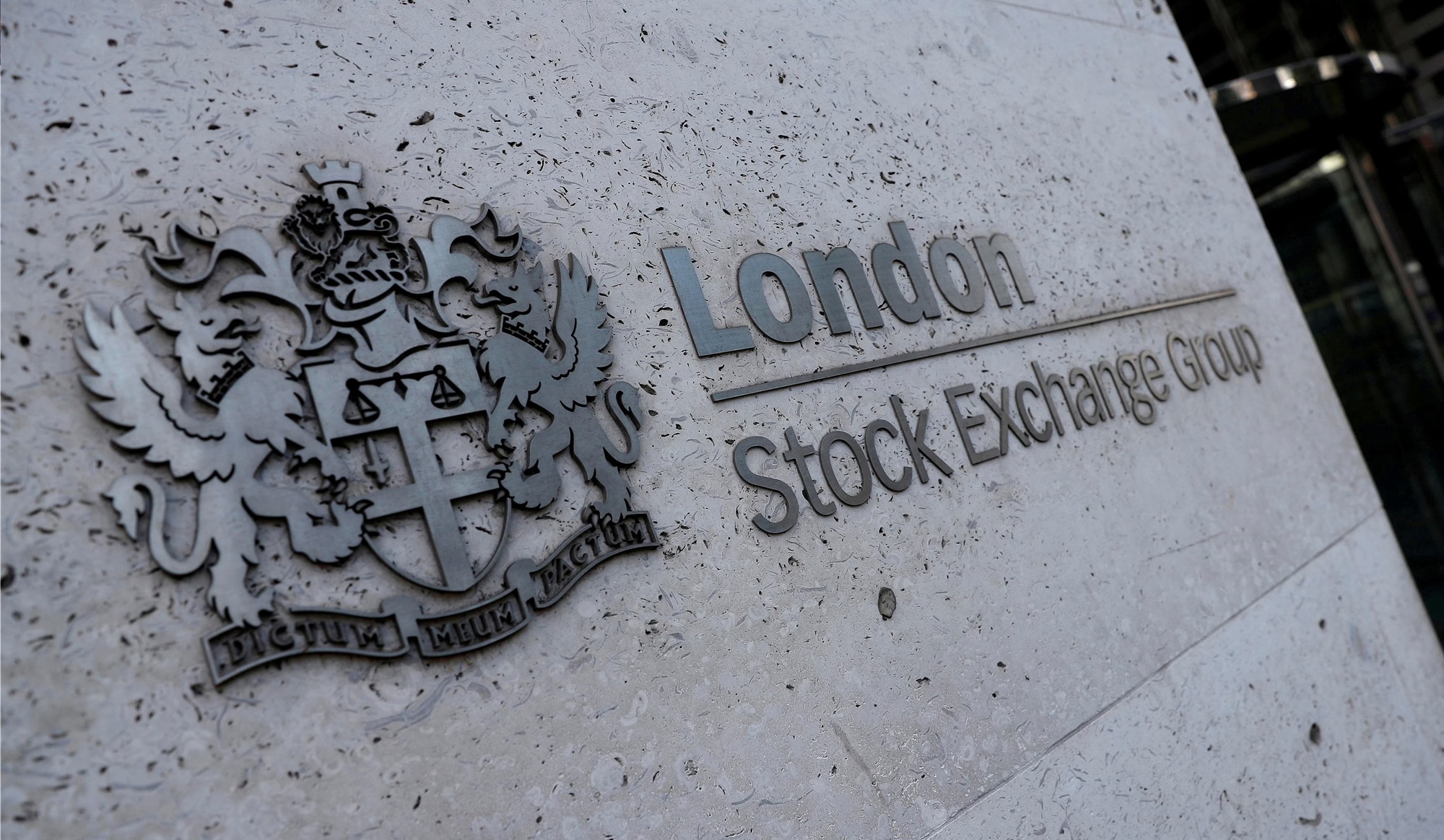
British investment group Petershill Partners announced on Thursday that it will delist from the London Stock Exchange (LSE) and return capital to its shareholders, citing persistent disappointment with its share price performance and valuation.
The decision, which values the Goldman Sachs-backed firm at $4.5 billion, marks another high-profile setback for London’s stock market, which has struggled to keep companies from leaving amid concerns about low valuations and dwindling investor interest.
Petershill, majority-owned by Goldman Sachs, was established in 2007 with a strategy centered on acquiring minority stakes in hedge funds and other alternative asset managers. The group went public in London in September 2021, touting the listing as a gateway for investors to access the fast-growing alternative investment industry. Chairman Naguib Kheraj described it at the time as a “unique opportunity” for public market investors to gain diversified exposure to private markets.
Register for Tekedia Mini-MBA edition 20 (June 8 – Sept 5, 2026).
Register for Tekedia AI in Business Masterclass.
Join Tekedia Capital Syndicate and co-invest in great global startups.
Register for Tekedia AI Lab.
Since then, Petershill has expanded significantly, with assets under management rising from $187 billion at the time of its IPO to $351 billion as of June 2025. Yet its shares have consistently underperformed, trading at steep discounts to both book value and comparable listed peers. Even strong operational and financial results failed to lift sentiment, leaving the company’s valuation lagging well behind the industry it sought to showcase.
Under the delisting proposal, free-float shareholders will receive $4.15 per share in cash, alongside an interim dividend of $0.052 per share, totaling $4.202. The offer represents a 35% premium to the stock’s last closing price, prompting shares to jump as much as 34% on Thursday. Goldman Sachs-managed private funds, which control 79.49% of Petershill’s stock, will not participate in the capital return but have agreed to support the move. Approval from free-float shareholders representing at least 75% of votes cast at court and general meetings scheduled for November is required.
Analysts at Jefferies described the decision as “perfectly reasonable,” noting that Petershill had undertaken numerous initiatives over the past 18 months to close the valuation gap with little success. The delisting, they said, offers clarity for investors and acknowledges that London’s market has failed to reward Petershill’s scale and performance.

The move is part of a broader pattern that has deepened worries about London’s status as a global financial hub. Ireland-based building materials giant CRH shifted its primary listing to New York in 2023, citing the deeper capital pools and higher valuations available there. British semiconductor design champion Arm Holdings opted for a Nasdaq IPO the same year, despite heavy lobbying by UK officials to keep it in London. Flutter Entertainment, owner of Paddy Power and FanDuel, also moved its primary listing to New York this year to tap U.S. investors.
These exits, combined with a thinning pipeline of new listings, have left the LSE grappling with what many see as an identity crisis. Even after reforms to simplify listing rules, London continues to suffer from a reputation for depressed valuations compared with New York or even European markets such as Amsterdam. Petershill’s decision, despite its growth and ties to Goldman Sachs, underscores that London is struggling to retain firms even in sectors where it once held an advantage.
For Petershill, the delisting is a way to reconcile strong operating performance with a market that never seemed to buy into its promise, while it underlines the continuing exodus that risks eroding the role of LSE as Europe’s premier financial center.
