


The digital age has made it easier to understand what people are curious about. Every day billions of individuals type their questions and concerns into Google. By looking at what they search, we can identify how interests evolve and how societies are shaped by emerging conversations. Google Trends, which tracks the popularity of specific search terms, allows us to see patterns that go beyond what traditional surveys might reveal. When applied to the topics of halal, food, and investment, the data from August 2020 to August 2025 paints an intriguing picture of how the world views halal literacy.
Halal Interest Beyond Religious Boundaries
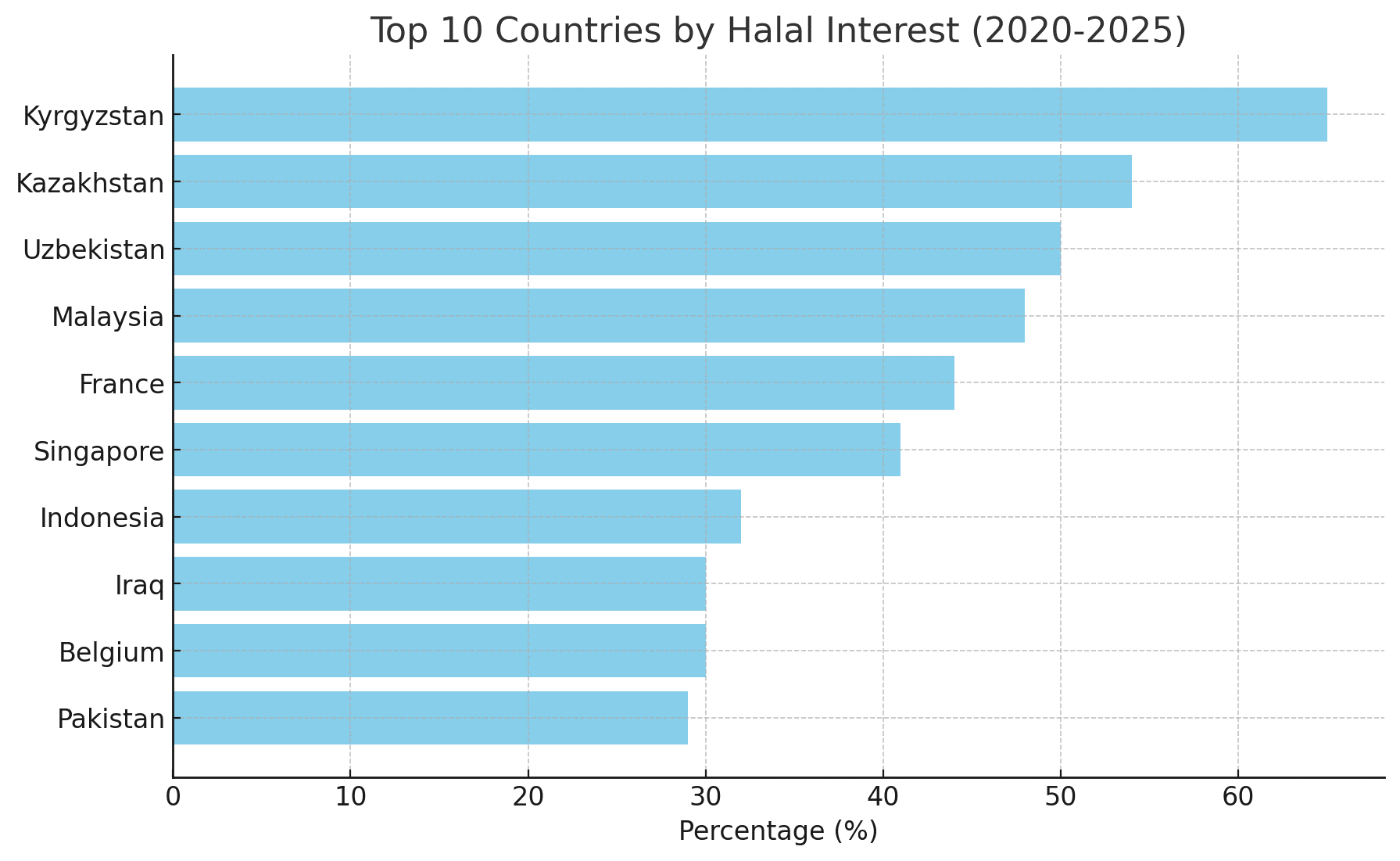
For many, the word halal is often associated only with Islamic dietary law. Yet Google Trends data shows that the topic is becoming broader and more global. In Muslim majority countries such as Malaysia, Indonesia, and Pakistan, halal accounted for a large share of searches relative to food and investment. However, some of the most surprising results come from outside the Muslim world. France recorded 44 percent of search interest in halal and Belgium reached 30 percent. This suggests that halal has grown into a conversation not limited to religious communities.
The most striking figures are found in Central Asia. Kyrgyzstan recorded 65 percent of search interest in halal, with Kazakhstan at 54 percent and Uzbekistan at 50 percent. These numbers show how halal is becoming part of cultural identity in the region. It is not just about what is eaten but about how values are expressed in public life. Halal literacy in this sense is about more than food laws. It is becoming an awareness of ethical standards and trust in consumption.
Register for Tekedia Mini-MBA edition 20 (June 8 – Sept 5, 2026).
Register for Tekedia AI in Business Masterclass.
Join Tekedia Capital Syndicate and co-invest in great global startups.
Register for Tekedia AI Lab.
Food as the Global Priority
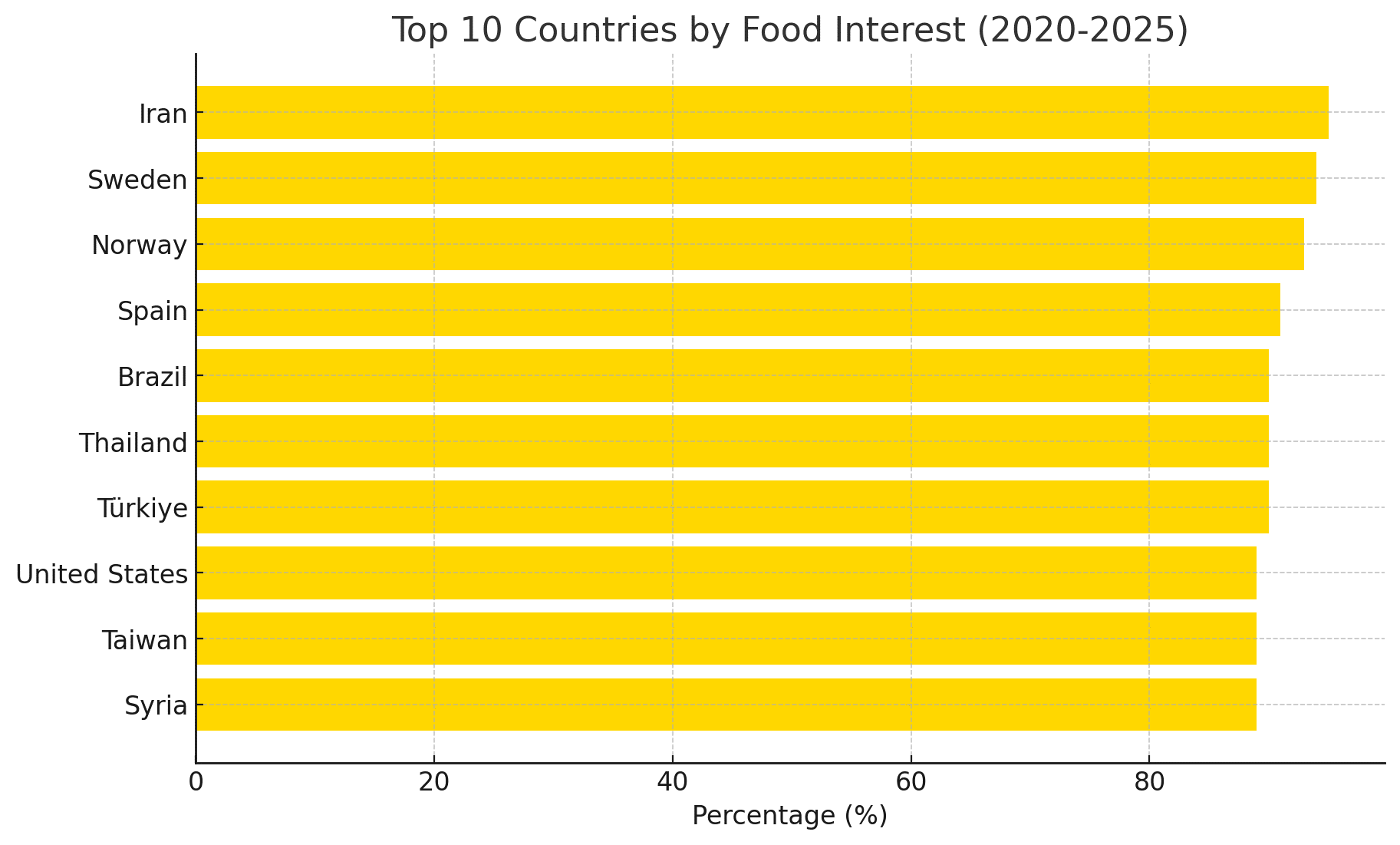
Despite the strength of halal in certain countries, the majority of global searches over the five year period centered on food. Iran, Sweden, and Norway all recorded over 90 percent of search interest related to food. Other major countries such as the United States, Brazil, and Spain also leaned heavily toward food.
This pattern reflects global circumstances. During the COVID-19 pandemic people turned to cooking and nutrition at home. Food became a central theme in everyday life, not only for survival but also for health, creativity, and enjoyment. Searches for recipes, diet plans, and healthy eating surged.
For those promoting halal literacy, this widespread focus on food presents both a challenge and an opportunity. It can be difficult to capture attention when the category of food already dominates. At the same time, this dominance creates a natural entry point. By presenting halal as part of broader food trends, especially in the areas of safety, ethics, and quality, halal literacy can become accessible to audiences that might otherwise not engage with it.

Investment and the Future of Halal Finance
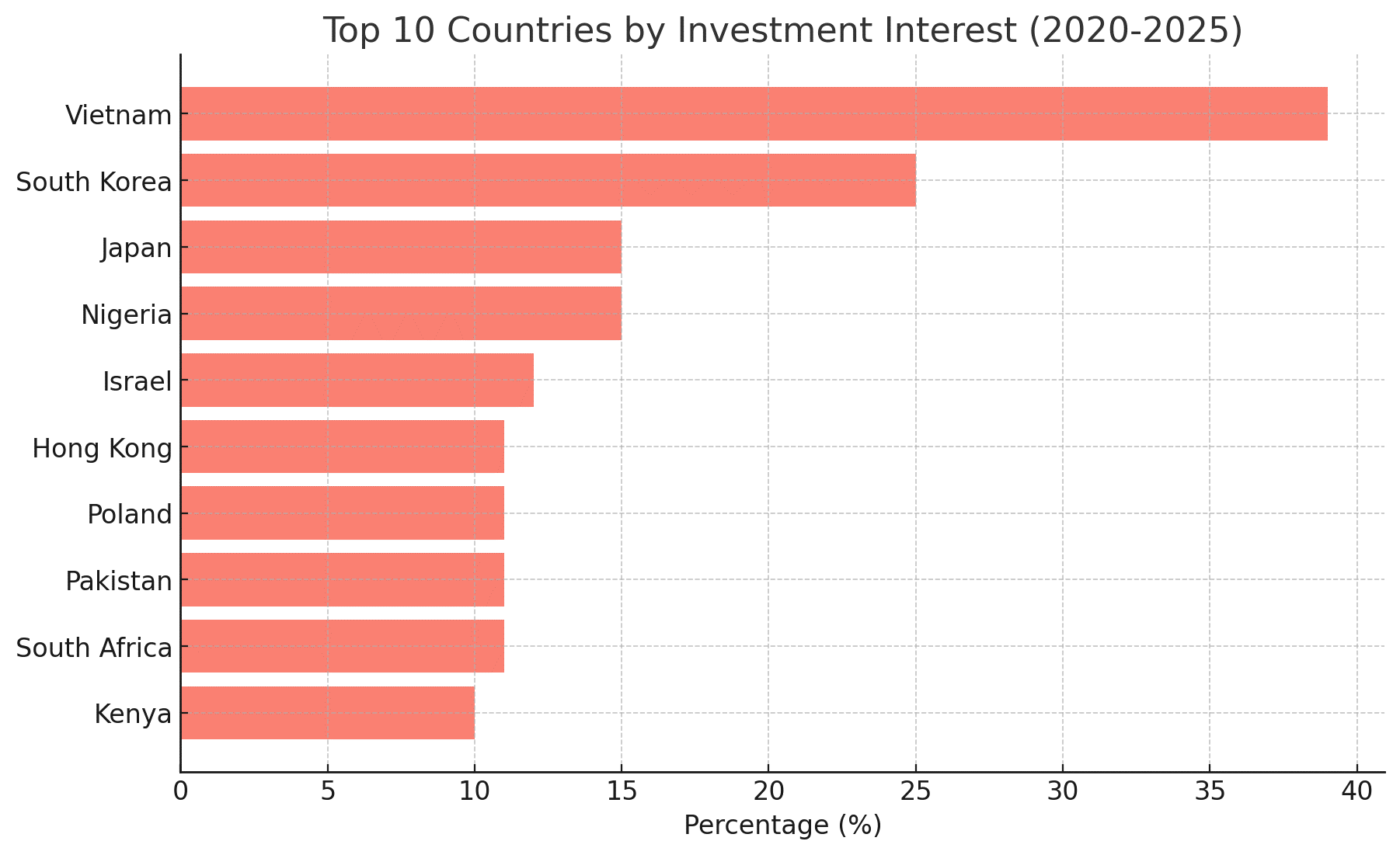
Although investment did not dominate in most countries, certain regions demonstrated a surprising level of interest. Vietnam recorded 39 percent of searches directed toward investment, followed by South Korea at 25 percent, and Japan and Nigeria at 15 percent each. These results suggest that financial literacy is rising in both emerging markets and advanced economies.
Some of these same nations are also exploring halal finance. South Korea and Japan have shown interest in Islamic financial products that could attract investors from Muslim countries. Nigeria is already issuing sukuk bonds as part of its national financial strategy. This is an important sign that halal literacy cannot remain focused solely on food. It must also encompass financial literacy and awareness of Shariah compliant investments.
Toward Broader Halal Literacy
The lessons from this analysis are clear. Halal is strong in certain regions but is also gaining attention globally. Food dominates curiosity worldwide, which means halal literacy should be integrated into mainstream conversations about food trends and ethical eating. Investment, while smaller in overall share, shows promise in markets that are opening to halal finance.

Google Trends reveals that halal literacy is not just about observing dietary rules. It is about equipping people to make informed choices that reflect values of trust, ethics, and sustainability across food and finance. By paying attention to what people are already searching, we gain a reliable guide for where awareness is growing and where opportunities exist to build a more halal literate world.