

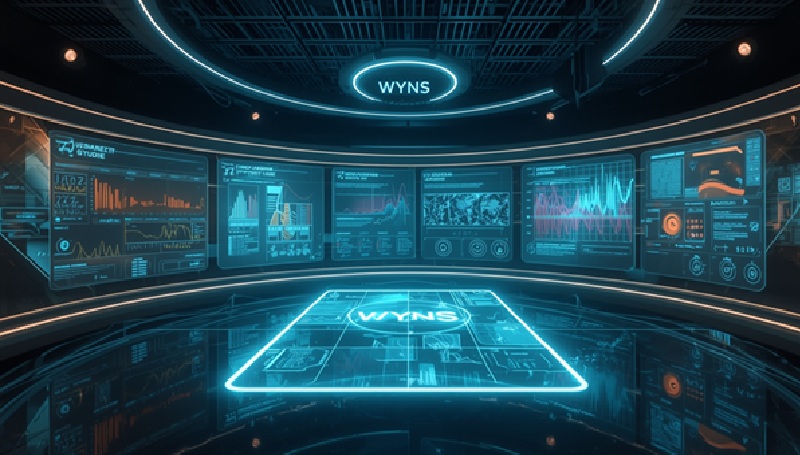
The evolution of user interfaces has never been linear. Each technological wave brings new visual languages, new expectations and new forms of interaction. Over the past decade, one of the unexpected contributors to UI innovation has been the slot game industry. While often associated with entertainment mechanics, slots have developed highly advanced visualisation and animation techniques designed to operate within strict constraints: small screens, fast interaction cycles and the need for immediate clarity. These constraints have driven a level of precision that now attracts attention from mobile app developers, enterprise platform designers and digital service creators.
Slots rely on visual feedback loops that must be both rapid and intuitive. They transform micro-interaction design into a core structural component, and this design philosophy now influences how next-generation interfaces are conceptualised. The visual and motion language that powers the slot experience is increasingly visible across mobile apps, e-commerce platforms, fintech dashboards and productivity tools. What began as a niche discipline is gradually shaping the broader standards of digital product design.
The Rise of Micro-Motion as an Interaction Engine
The modern slot environment is built on short animation sequences that guide the user from one state to another. These animations are not decorative; they are functional. They clarify action, reinforce hierarchy and shape the emotional rhythm of the experience. This micro-motion logic has become one of the most influential exports from the slot industry to wider UI design.
In many mobile applications today, subtle transitions serve as structural anchors. Motion indicates confirmation, progress or redirection. This is similar to how slot designers frame each spin as a micro-narrative composed of anticipation, movement and resolution. Because slots must deliver this cycle hundreds of times without overwhelming the user, their approach to timing and simplicity has inspired app developers seeking similar clarity.
Interfaces that adopt this animation philosophy appear smoother and more coherent. They rely on pacing rather than visual weight, ensuring each transition feels meaningful without slowing the experience. This is particularly relevant for real-time services, where responsiveness and readability are essential.
Colour, Light and Contrast as Behavioural Signals
Colour and light modulation are core tools in slot design. They communicate priority, draw focus and create emotional gradients that help users interpret information instantly. Industries outside gaming now apply these same principles to strengthen UX clarity.
Dashboards, financial apps and workflow tools increasingly use controlled light accents to support real-time decision-making. These cues mirror the signalling used in slot interfaces, where highlights act as fast perceptual guides. The influence becomes especially clear when examining how platforms communicate risk, completion or change through calibrated colour shifts.
Even branding is affected. Companies now rely on luminous gradients and dynamic contrast patterns derived from interactive entertainment aesthetics. Platforms with strong visual identities, such as Wyns Casino, use this approach to maintain continuity across themes while ensuring readability and stability.
The Spread of Rhythm-Based UI Architecture
One of the most distinct contributions of slot technology is rhythm. Slot interfaces operate in structured cycles, and their timing is calculated to maintain engagement without causing fatigue. This rhythm is now being translated into UI architectures for non-gaming products.
Mobile experiences increasingly rely on tempo. Interfaces deliver information in bursts rather than constant streams. Notifications, loading states and results are framed through rhythmic patterns that mimic the timing logic found in slot sequences. This design philosophy reduces cognitive load and helps anchor the user within the interaction flow. In mid-journey moments, apps often use rhythmic micro-animations similar to those used in platforms like Wyns Casino. These sequences guide attention while preventing the experience from feeling static. The transposition is subtle, but its impact on user behaviour is measurable.
Compact Narratives for Compact Interfaces
Slot interfaces tell micro-stories in seconds. Each animation sequence, sound cue and light effect contributes to an emotional arc that must resolve clearly and quickly. This has become a valuable model for designers working on dense mobile interfaces where screen space is limited and attention spans are fragmented.
This narrative compression helps developers design user flows that are both intuitive and expressive. Small animated responses replace long textual explanations. A well-structured visual gesture can communicate a workflow step more effectively than an entire instruction block.
The slot industry’s experience in compressing narrative and interaction into small spaces has influenced sectors such as e-learning, guided onboarding, habit-tracking apps and digital coaching tools. In these contexts, short visual cues help maintain pace and reduce friction.
High-Performance Visualisation Under Technical Constraints
Slot designers must create high-impact visuals that perform smoothly on a wide range of devices. This requirement cultivates a discipline centred on optimisation. Their techniques are increasingly valuable for teams seeking to balance aesthetics with performance.
Modern interfaces integrate more animation than ever before, yet users expect real-time responsiveness. The slot industry’s long practice of balancing file size, rendering load and visual complexity offers guidance. Developers apply these principles through vector-based motion, simplified shading, adaptive resolution and lightweight effects that preserve fluidity.
The same optimisation logic supports scalable UI systems in enterprise tools, streaming platforms and health-tech dashboards, where visual clarity is essential but computational resources cannot be overextended.
The Shift Toward Emotionally Grounded Interfaces
Slots demonstrate how motion and visual effects can shape user emotion without relying on narrative context. This lesson resonates in industries seeking to humanise digital interactions. Apps for wellness, productivity and communication now incorporate emotional micro-feedback inspired by gaming.
The rise of interfaces that adjust atmosphere through colour gradients, ambient animation or visual breathing space mirrors the experiential logic of slot environments. These cues influence perception, reduce friction and help maintain engagement.
While non-gaming platforms do not aim to reproduce the emotional patterns of a slot session, they borrow its principles of gentle anticipation, smooth progression and clear resolution. These qualities produce interfaces that feel responsive and grounded.
Convergence of Interface Design Across Industries
As visual and motion design standards shift, the boundaries between entertainment and productivity interfaces continue to soften. The slot industry—particularly modern, high-polish environments like wynss.com casino—has become an unexpected reference point. The precision with which slots orchestrate timing, motion and visual hierarchy now informs UX decisions in sectors ranging from fintech to education.
This convergence reflects a broader cultural shift. Users navigate dozens of interfaces each day, and they expect coherence, fluidity and emotional clarity regardless of context. The aesthetics and motion logic perfected in interactive entertainment influence this expectation and help shape the new generation of UI standards.