

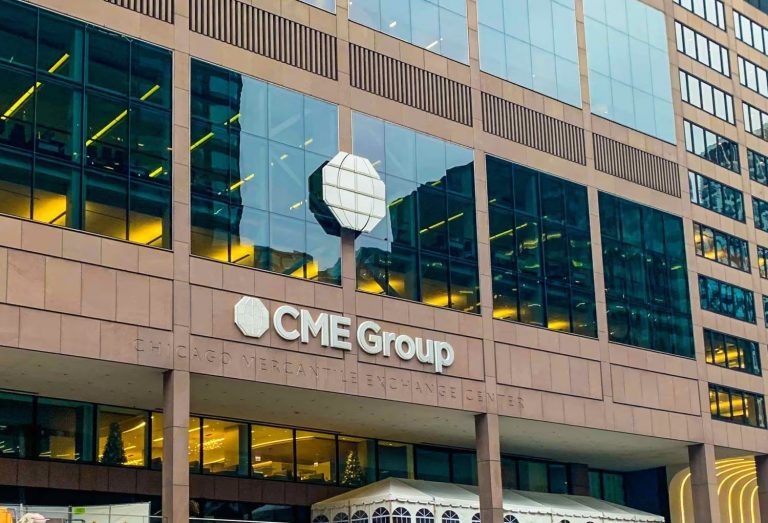
CME Group has announced and launched futures contracts for Cardano (ADA), Chainlink (LINK), and Stellar (XLM/Lumens). This marks a significant expansion of CME’s regulated cryptocurrency derivatives offerings, bringing these altcoins into the institutional-grade trading ecosystem alongside existing products like Bitcoin, Ether, XRP, and Solana futures.
Both standard (larger-sized) and micro-sized futures are available for greater accessibility to institutional and retail traders. Cardano (ADA): Standard = 100,000 ADA; Micro = 10,000 ADA. Chainlink (LINK): Standard = 5,000 LINK; Micro = 250 LINK. Stellar (Lumens/XLM): Standard = 250,000 Lumens; Micro = 12,500 Lumens.
These are cash-settled futures, priced based on benchmarks like the CME CF New York Variant or similar reference rates, providing capital efficiency, hedging tools, and exposure without needing to hold the underlying tokens. Offered in a CFTC-regulated environment for transparency, security, and reduced counterparty risk.
This move reflects growing institutional interest in a broader range of cryptocurrencies beyond just BTC and ETH, as CME continues to build out its crypto suite amid record volumes in its derivatives products. This expands CME’s crypto suite beyond Bitcoin, Ether, XRP, and Solana, signaling deeper mainstream acceptance and infrastructure for risk management.
Register for Tekedia Mini-MBA edition 20 (June 8 – Sept 5, 2026).
Register for Tekedia AI in Business Masterclass.
Join Tekedia Capital Syndicate and co-invest in great global startups.
Register for Tekedia AI Lab.
These CFTC-regulated, cash-settled futures with standard and micro sizes provide hedge funds, asset managers, and other institutions a secure, transparent way to gain exposure, hedge positions, or speculate without holding the underlying tokens. This lowers barriers via micro contracts and could enhance overall liquidity and price discovery over time.
CME’s strict listing criteria imply these projects meet thresholds for maturity, liquidity, and compliance— a credibility signal that often attracts more capital long-term.
Hedging and Capital Efficiency Tools
Traders now have better options for managing risk in volatile altcoin markets. Futures enable strategies like basis trading, calendar spreads, or portfolio hedging, potentially stabilizing prices by reducing reliance on unregulated spot/perps markets. CME’s track record shows these products can drive sustained volume growth—crypto ADV hit records in 2025, and this expansion supports further diversification.
Immediate price responses have been underwhelming or “sell-the-news,” influenced by broader market dynamics e.g., weak risk sentiment, ETF outflows, macro data like US CPI. ADA: Saw a short-term relief rally pre-launch but remains under pressure; trading around $0.26–$0.27, down significantly from earlier 2026 highs; some reports note bearish trends with ~34% drop since mid-January announcement.
LINK: Stabilized near $8.50–$9.00 post-launch, with minor gains in some sessions but overall down in the risk-off environment. XLM: Similar modest declines or flat performance amid altcoin weakness. Futures enable both long and short exposure, so they don’t guarantee bullish pumps and can increase short-term volatility if large players build positions.

This is viewed as a “watershed moment” for altcoin derivatives, reflecting growing institutional interest beyond BTC/ETH. It could improve mainstream adoption, attract more sophisticated capital, and support better price stability through regulated venues. CME’s push positions it as a leader in crypto derivatives, potentially benefiting ecosystem growth for Cardano, Chainlink, and Stellar.
While positive for infrastructure, crypto remains volatile—macro factors, sentiment, and leverage unwinds can overshadow listings. Early indicators to monitor: trading volume, open interest buildup, bid-ask spreads, and basis convergence on CME.
If these ramp up steadily, it reinforces bullish implications; otherwise, short-term chop or downside pressure could persist. This development is viewed as bullish for the listed assets, potentially improving liquidity, price discovery, and mainstream adoption while enabling better risk management for traders.
