

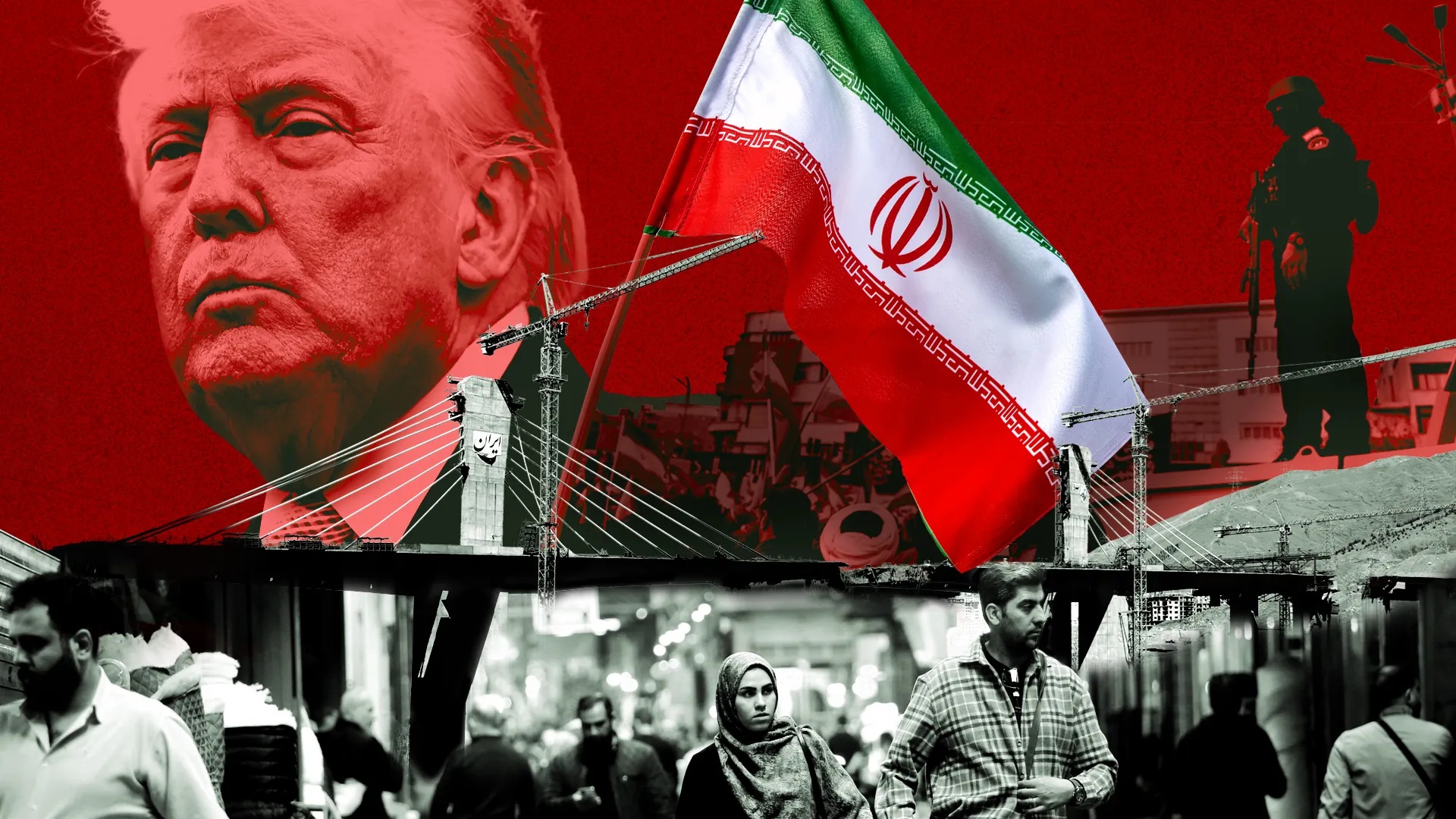
Iranian negotiators will cease exchanging messages with the United States through intermediaries and move to completely close the Strait of Hormuz in response to ongoing ceasefire violations, according to Iran’s state-affiliated Tasnim news agency on Monday.
The development marks a sharp escalation in the three-month-old conflict and threatens to prolong the most severe disruption to global energy flows in decades.
Tasnim’s report focused on Israel’s intensified military operations in Lebanon against the Iran-backed Hezbollah militia. It stated that “no dialogue will take place” until Israel fully withdraws from the occupied areas in Lebanon and halts all attacks in both Lebanon and Gaza. The outlet further declared that the “resistance front and Iran have resolved to completely block the Strait of Hormuz and activate other fronts, including the Bab al-Mandeb Strait, in order to punish the Zionists and their supporters.”
Register for the next Tekedia Mini-MBA.
Register for Tekedia AI in Business Masterclass.
Join Tekedia Capital Syndicate and co-invest in great global startups.
The Bab el-Mandeb Strait, which connects the Red Sea to the Gulf of Aden, is another critical chokepoint for global trade, particularly for oil shipments from the Middle East to Europe and Asia.
Oil prices surged more than 7% following the report, reflecting renewed fears of prolonged supply disruptions. Brent crude and West Texas Intermediate futures, while still below their immediate post-war peaks, reversed recent declines as optimism over a diplomatic breakthrough evaporated.
The announcement comes just days after U.S. President Donald Trump indicated he would decide on a potential deal with Iran during a White House Situation Room meeting. That session ended without a final decision, and subsequent days saw fresh attacks exchanged between the U.S. and Iran, further eroding the already fragile ceasefire.

Iranian Foreign Minister Abbas Araghchi reinforced Tehran’s position on X, stating: “The ceasefire between Iran and the US is unequivocally a ceasefire on all fronts, including in Lebanon. Its violation on one front is a violation of the ceasefire on all fronts. The US and Israel are responsible for the consequences of any violation.”
Meanwhile, Israeli Prime Minister Benjamin Netanyahu ordered strikes on Hezbollah-controlled suburbs in Beirut, according to Reuters, adding fuel to the cycle of retaliation.
Energy Market Implications
The Strait of Hormuz remains one of the world’s most vital energy arteries, normally carrying about one-fifth of global oil and liquefied natural gas supplies. Since the conflict erupted on February 28, Iran has largely blocked foreign shipping, while the U.S. has imposed a retaliatory blockade on Iranian ports. Although a trickle of vessels has continued to pass, traffic is far below pre-war levels of over 100 ships per day.

A full closure would represent an unprecedented shock to global energy markets. Even a partial or intermittent shutdown could keep oil prices elevated for months, feeding into broader inflationary pressures worldwide. Analysts warn that normalizing flows could take significant time even after any diplomatic resolution, due to damaged infrastructure, insurance costs, and lingering security risks.
This latest escalation comes as markets had begun pricing in some optimism around a potential 60-day ceasefire extension. That hope now appears diminished, with investors shifting focus back to supply risks and the potential for wider regional involvement, including at the Bab el-Mandeb Strait.
The developments add embers to an already volatile global economic environment. Higher and more persistent energy prices threaten to complicate central bank efforts to control inflation, particularly in import-dependent economies across Europe and Asia. For the United States, as a net energy exporter, the impact is more mixed, but sustained high prices are already fueling domestic inflation and affecting consumer spending.
Geopolitically, Iran’s move to fully close the Strait signals a willingness to use its most potent economic weapon, even at the cost of isolating itself further. It also puts pressure on China, Iran’s largest oil customer, and raises questions about Beijing’s ability or willingness to influence Tehran.
The situation also presents a high-stakes diplomatic test for President Trump. His administration has alternated between tough rhetoric and hints of negotiation, but repeated ceasefire violations have undermined progress. Any long-term deal will likely require addressing Iran’s nuclear program, regional proxies, and security guarantees for shipping lanes — issues that have eluded resolution for years.
In the markets, the immediate reaction has been higher oil prices and renewed safe-haven flows, but analysts expect the longer-term trajectory to depend on whether diplomacy can regain momentum or if the conflict spirals into a more entrenched regional crisis.