

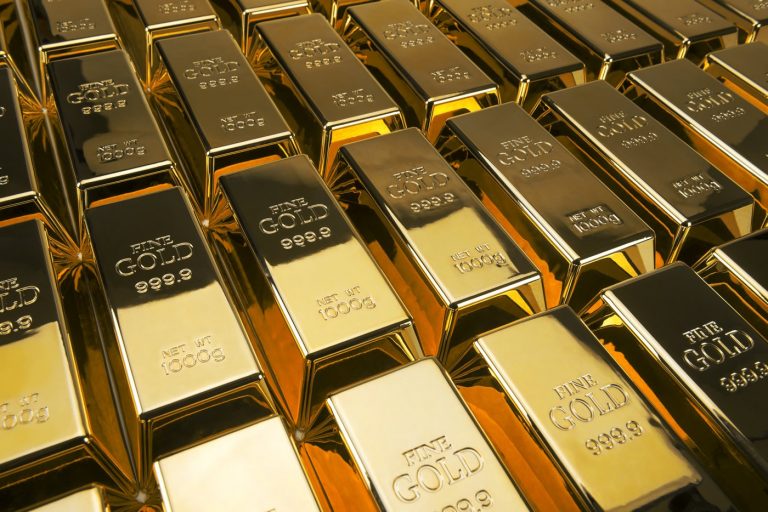
The USD remains the dominant reserve currency by a significant margin. According to the latest available data from the International Monetary Fund (IMF) Currency Composition of Official Foreign Exchange Reserves (COFER) and related analyses up to Q3 2025: The USD accounts for approximately 56-58% of allocated foreign exchange reserves around $7-7.4 trillion in value.
This is down gradually from peaks above 70% in the early 2000s but still far ahead of any other asset. Gold, valued at market prices, represents about 20-27% of total official reserves including gold, depending on the exact valuation and dataset.
Central banks hold around 36,000 tonnes of gold, worth roughly $4-4.5 trillion at recent prices above $3,500/oz. The euro is second among currencies at ~20-21%, followed by smaller shares for the Japanese yen, British pound, and others.
Register for Tekedia Mini-MBA edition 20 (June 8 – Sept 5, 2026).
Register for Tekedia AI in Business Masterclass.
Join Tekedia Capital Syndicate and co-invest in great global startups.
Register for Tekedia AI Lab.
Gold has become the second-largest reserve asset overall surpassing the euro in share since 2024, driven by record central bank purchases over 1,000 tonnes annually in recent years and soaring prices. However, it trails the USD substantially in both share and total value.
In 2024-2025, gold overtook the euro as the #2 reserve asset, 19-20% for gold vs. 16% for euro. Central banks’ gold holdings have surpassed their collective U.S. Treasury holdings for the first time since the 1990s in some measures, gold ~27% vs. Treasuries ~23% of reserves in mid-2025.
This reflects diversification amid geopolitical risks, sanctions concerns, inflation hedging, and a gradual decline in USD dominance—but not a rapid “de-dollarization.” Some social media posts and headlines exaggerate claims confirm the USD’s continued lead.
Gold’s rise is structural and ongoing, with surveys showing central banks expect further increases in gold holdings and a lower USD share over the next 5-10 years. While gold’s role as a reserve asset has grown dramatically and it now ranks #2 globally, the USD remains the clear #1 with no overtaking as of early 2026.

While gold has not overtaken the USD as the leading global reserve asset— USD holds 57% of foreign exchange reserves per IMF Q3 2025 data, with gold at ~25-30% when including its market value in total reserves, its rapid ascent—driven by record central bank purchases and soaring prices— $4,450/oz in early January 2026)—carries significant economic, financial, and geopolitical implications.
Central banks especially in emerging markets like China, India, Poland, and Turkey bought over 1,000 tonnes annually in recent years, with 2025 likely exceeding that. This diversification reduces reliance on USD assets amid sanctions risks post-Russia 2022 and U.S. fiscal concerns.
USD share in FX reserves has declined slowly from ~71% in 2000 to ~57% now. Including gold, some analyses show gold’s value surpassing collective U.S. Treasury holdings for the first time in decades. This erodes the USD’s “exorbitant privilege” lower borrowing costs for the U.S., potentially leading to higher U.S. interest rates and a weaker dollar over time.

No abrupt collapse expected—USD remains dominant in trade invoicing (88%) and SWIFT payments (40-50%)—but structural shift toward a more multipolar system. Price-insensitive central bank demand creates a strong floor under gold prices. Combined with investor inflows (ETFs, bars/coins) and lower opportunity costs from Fed rate cuts, analysts forecast $4,500–$5,000/oz in 2026, J.P. Morgan: $5,000+; others up to $6,000 longer-term.
Gold acts as an inflation hedge and safe haven amid persistent geopolitical tensions, high global debt, and uncertainty. This benefits gold holders but signals broader fiat currency concerns. Gold is “seizure-resistant”, appealing post-sanctions era. Emerging markets view it as neutral insurance against Western financial dominance.
Accelerates fragmentation in global finance—more bilateral trade in local currencies/gold, reduced effectiveness of USD-based sanctions. Heightens risks for USD-dependent systems if trend accelerates. Gold enhances diversification— low correlation with stocks/bonds, recommended allocations rising to 10-15%.
For U.S. economy: Gradual pressure on Treasury demand could raise borrowing costs as foreign official holdings stagnate. Global stability: Slow diversification is manageable; rapid shifts from major crisis could cause volatility in currency markets and bond yields.
Gold’s rise reflects a structural rebalancing toward diversification and resilience, signaling waning but not ending USD hegemony. This trend supports elevated gold prices and a more fragmented monetary order, with implications unfolding over years rather than months. Data as of early 2026 shows momentum continuing, but USD retains clear leadership in liquid reserves.