

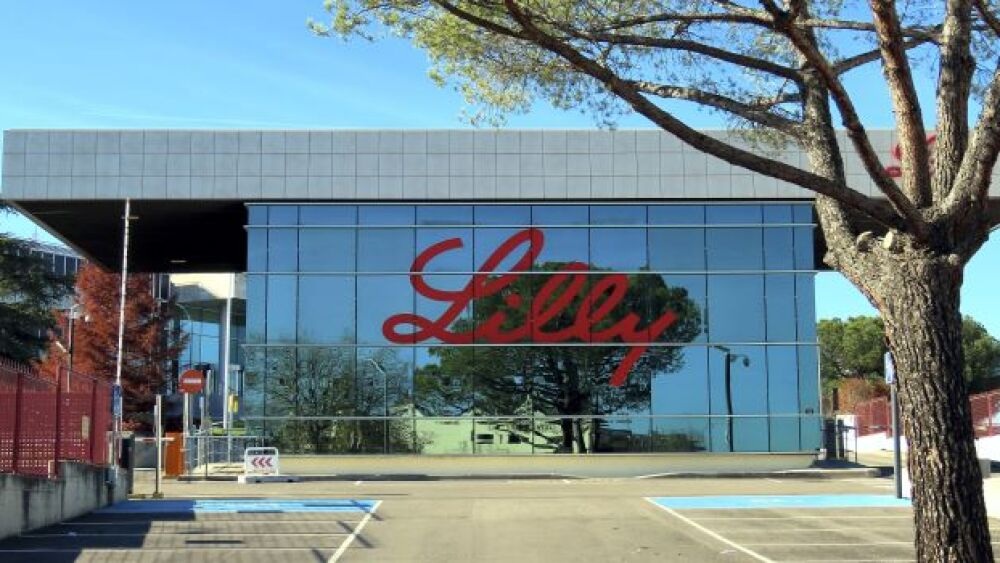
Eli Lilly’s announcement of a more than $6 billion investment in a new active drug ingredient facility in Huntsville, Alabama, lands at a moment when the global pharmaceutical industry is being reshaped by the extraordinary rise of GLP-1 weight-loss drugs.
The new site, which will produce small-molecule synthetic and peptide medicines including orforglipron, Lilly’s first oral GLP-1 therapy expected to secure U.S. approval next year, sits at the intersection of mounting demand, shifting industrial strategy, and a political climate pushing drugmakers to bring production back home.
Lilly’s choice of Huntsville is about far more than added capacity. It signals that the company is restructuring its manufacturing model around a market transformed by the runaway success of weight-loss treatments. The GLP-1 category has turned into a global arms race, with Lilly and Novo Nordisk outpacing rivals, straining existing networks, and prompting companies to rethink how and where they build supply chains.
Register for Tekedia Mini-MBA edition 20 (June 8 – Sept 5, 2026).
Register for Tekedia AI in Business Masterclass.
Join Tekedia Capital Syndicate and co-invest in great global startups.
Register for Tekedia AI Lab.
Global shortages of GLP-1 injectables have already shown the risk of relying on narrow manufacturing setups. Lilly is now trying to pre-empt the next wave of supply strain by securing domestic production of key ingredients, especially for orforglipron, the oral candidate that would give the company a second major player in a fiercely competitive market.
The Huntsville plant is part of an even broader push. U.S. pharmaceutical firms have been increasing domestic investments ever since President Donald Trump urged the industry to make more medicines locally rather than relying on imported active ingredients or finished products. With Washington considering drug import duties, companies are re-evaluating the wisdom of decades of offshoring. Lilly has moved faster than most. Earlier this year, it outlined plans to spend at least $27 billion on four new U.S. manufacturing sites. Another location is on the way.
The Alabama project, its third newly announced U.S. facility, is the most symbolic of the shift. Construction begins in 2026 and will run through 2032, creating around 3,000 jobs during the building phase. Once operational, the site will employ 450 engineers, scientists, lab technicians, and operations staff. Lilly says every dollar invested could generate up to four dollars in local economic activity, making the project one of the most impactful industrial commitments in the region. Alabama Governor Kay Ivey called it “the largest initial investment in our state’s history.”

The site’s location, chosen from more than 300 proposals, was heavily influenced by its proximity to the HudsonAlpha Institute for Biotechnology, giving Lilly direct access to a high-skilled bioscience workforce and a research ecosystem capable of supporting long-term manufacturing innovation. That matters in a GLP-1 world. As demand continues to surge, the winning companies will be those that can scale faster and more reliably. GLP-1 production is increasingly becoming an issue of national competitiveness, corporate strategy, and economic leverage.
Lilly’s vision for the site leans into that future. The plant will deploy machine learning, AI, and digitally integrated monitoring tools, with automation embedded across operations. Edgardo Hernandez, who oversees Lilly’s global manufacturing operations, said the company plans to move toward carbon neutrality at the facility.
The design signals how big manufacturers are now approaching their next generation of plants: more automated, more data-driven, more resilient, and built to support blockbuster medicine categories that generate intense, sustained global demand.

The GLP-1 boom is already reshaping how Big Pharma invests, hires, and builds. Production of these drugs involves complex peptide synthesis, specialized equipment, and long lead times for scaling output. Bayer, Roche, and other firms have been scouting or building domestic facilities for biologics and peptides, preparing to compete with the two dominant players.
For Lilly, which already commands a leading share of the global GLP-1 market with tirzepatide, the new plant is a defensive move as much as a growth strategy. It safeguards supply, protects future margins, and positions the company to meet the explosive demand analysts expect to run well into the 2030s.
CEO David Ricks framed the Huntsville investment as part of the company’s mission to strengthen supply resilience. He said the project advances the onshoring of active pharmaceutical ingredient production, reducing dependency on foreign suppliers. That line carries growing weight in Washington, where lawmakers and regulators have been pressing the industry to prevent shortages of essential medicines.
Lilly’s decision also fits a larger industrial moment. After years of relying on offshore sites, the industry is waking up to the costs of distant supply chains, from geopolitical risk to shipping bottlenecks. The GLP-1 boom has simply thrown those vulnerabilities into sharper relief. Lilly is betting that domestic manufacturing won’t just meet demand but eventually become a competitive advantage by building a fully integrated site capable of producing oral versions of weight-loss medicines.
The Huntsville project, then, is not just a factory. It is a strategic repositioning shaped by a category that has redrawn the pharmaceutical map faster than almost any other modern drug class. The GLP-1 wave has pushed companies to rethink their capacity, rethink their supply chains, and rethink where they place their most critical investments.