

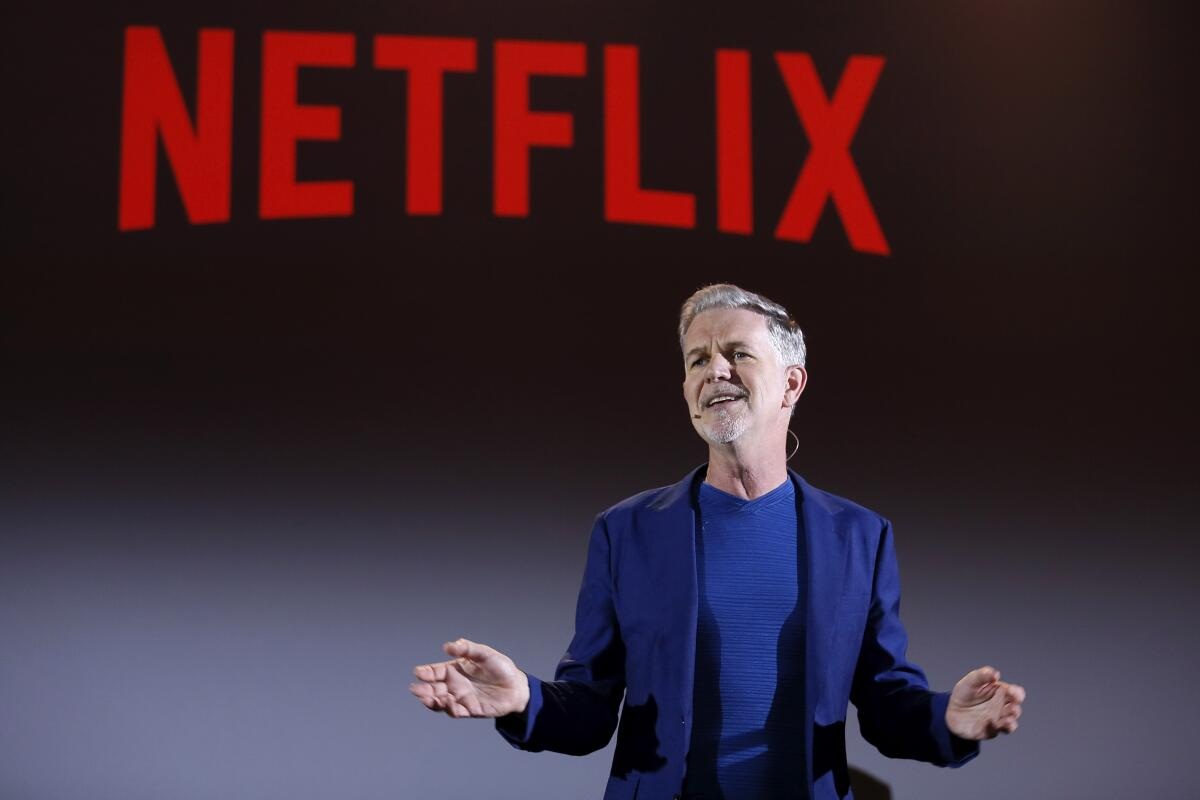
Netflix has long been one of Wall Street’s favorite entertainment companies, thanks to its ability to consistently grow subscribers, increase revenue, and dominate the global streaming market.
Investor sentiment is becoming more cautious as concerns mount over the performance of the company’s newest lineup of original shows.
While Netflix continues to invest billions of dollars annually in content creation, analysts are questioning whether its latest productions can generate the same cultural impact and financial returns as previous blockbuster hits.
One of the primary concerns centers on audience engagement. Netflix built its reputation with globally recognized series such as Stranger Things, Squid Game, Wednesday, and The Crown. These shows attracted millions of viewers, boosted subscriber growth, and strengthened the platform’s brand.
Register for the next Tekedia Mini-MBA.
Register for Tekedia AI in Business Masterclass.
Join Tekedia Capital Syndicate and co-invest in great global startups.
Recently, several newly released titles have struggled to achieve the same level of popularity. Although many still rank among Netflix’s most-watched content, they have not generated the viral buzz or long-lasting cultural influence that investors have come to expect.
The streaming landscape has become significantly more competitive. Rivals including Disney+, Amazon Prime Video, Apple TV+, Max, and Paramount+ continue to invest heavily in exclusive programming.
Consumers now have access to a wider variety of high-quality entertainment across multiple platforms, making it more difficult for any single Netflix series to dominate public attention. As competition intensifies, Netflix must work harder to justify its substantial content spending.
Another factor contributing to Wall Street’s concerns is the rising cost of content production. Producing premium television series often requires budgets reaching hundreds of millions of dollars, especially for fantasy, science fiction, and action franchises.

Investors are increasingly asking whether these enormous investments are delivering sufficient returns through subscriber acquisition, customer retention, and advertising revenue. If expensive productions fail to become major hits, they can quickly reduce profit margins.
Netflix’s evolving business model has also raised expectations. In addition to subscription revenue, the company has introduced an advertising-supported tier and intensified efforts to curb password sharing.
These initiatives have generally strengthened revenue growth, but investors now expect content to support both subscriber engagement and advertising performance. Weak audience interest in new shows could reduce viewing hours, making it harder to attract premium advertisers seeking large and consistent audiences.

Wall Street is also paying close attention to Netflix’s release strategy. Rather than relying solely on a handful of blockbuster series, the company increasingly focuses on maintaining a steady flow of diverse programming across genres and international markets.
While this strategy broadens Netflix’s global appeal, it may also dilute attention, making it more challenging for individual shows to become global phenomena capable of driving meaningful subscriber growth.
Netflix remains one of the strongest players in the streaming industry. The company continues to generate substantial cash flow, expand internationally, and leverage sophisticated data analytics to understand viewer preferences.
Its ability to recommend personalized content remains a significant competitive advantage, helping viewers discover new shows even when individual titles receive less media attention.
Wall Street’s concerns do not necessarily indicate that Netflix is in trouble. Instead, they reflect the exceptionally high expectations investors now place on the streaming giant. After years of remarkable success, every new release is scrutinized not only for its artistic quality but also for its financial impact.
As competition intensifies and production costs rise, Netflix faces the ongoing challenge of proving that its investment in original programming can continue delivering sustainable growth.
The company’s ability to produce the next global cultural phenomenon may determine whether it can maintain its leadership position and satisfy increasingly demanding investors.