

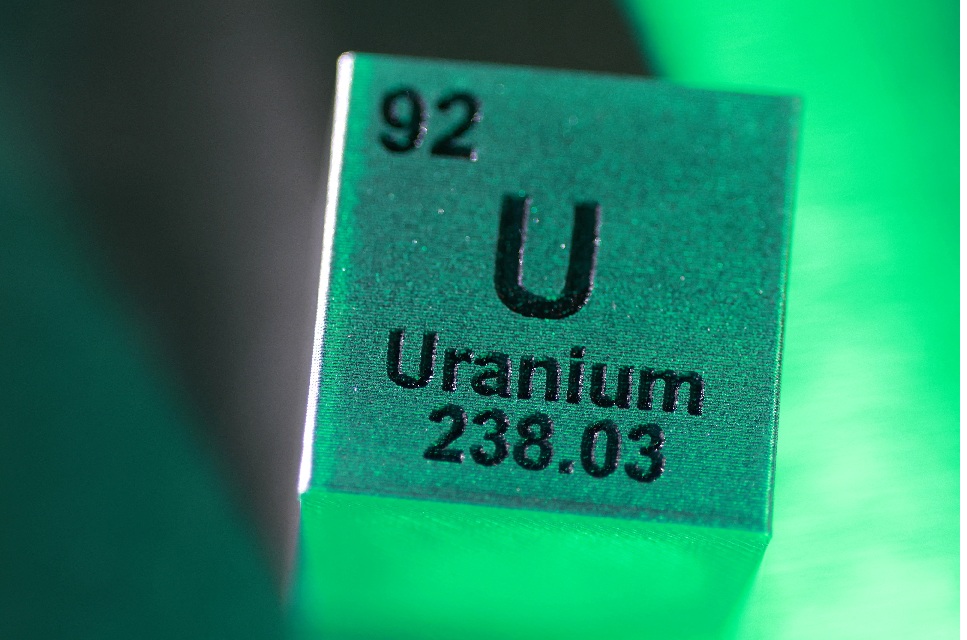
NexGen is exploring financing from data center operators to secure long-term uranium supply for AI-driven nuclear power demand.
The artificial intelligence boom is beginning to reverberate far beyond Silicon Valley and into the global uranium market. NexGen Energy, developer of the large-scale Rook I project in Saskatchewan, has confirmed preliminary discussions with data center providers about potential financing arrangements tied to future uranium supply.
Chief executive Leigh Curyer said the talks reflect a structural shift in how critical mineral projects may be funded, as technology firms seek greater certainty over long-term power availability for AI infrastructure.
Register for Tekedia Mini-MBA edition 20 (June 8 – Sept 5, 2026).
Register for Tekedia AI in Business Masterclass.
Join Tekedia Capital Syndicate and co-invest in great global startups.
Register for Tekedia AI Lab.
AI’s Energy Footprint and the Nuclear Case
The rapid expansion of AI models and cloud computing is triggering a surge in hyperscale data center construction. These facilities are power-intensive and require consistent baseload electricity, making nuclear energy increasingly attractive due to its reliability and low-carbon profile.
Curyer drew parallels with the electric vehicle supply chain, where automakers provided financing to lithium, nickel, and other battery material projects to ensure raw material security. He said major technology companies are under pressure to guarantee that “the hundreds of billions that they are investing in the data centers are going to be powered.”
That dynamic is reshaping the risk calculus for uranium developers. Instead of relying solely on utilities or traditional project finance, companies like NexGen may be able to access strategic capital from end users seeking supply security.

While Curyer declined to name the data center firms involved, he made clear that any potential financing structure would not involve a change of corporate control. The company is evaluating multiple options, but intends to preserve leverage to prevailing uranium prices at the time of delivery.
Rook I: Scale, Timing, and Strategic Weight
NexGen’s Rook I project is among the largest undeveloped uranium deposits globally. The company recently secured a key mine permit and expects final government approval before the end of June. It aims to finalize its funding package in the second quarter.
Production is targeted for 2030. NexGen has stated that Rook I could eventually supply more than 20% of global uranium demand, a scale that would materially alter the supply landscape.

Such output would position Canada — already a leading uranium producer — at the center of a renewed nuclear fuel cycle expansion. Saskatchewan is regarded as one of the world’s premier uranium jurisdictions due to high-grade deposits and established regulatory oversight, factors that may make the project attractive to strategic investors concerned with geopolitical stability.
Uranium Pricing and Supply Tightness
Uranium prices are currently around $88 per pound, after briefly exceeding $100 per pound in late January — the highest level in two years. The spike was driven in part by expectations that China and India will accelerate nuclear buildouts to meet rising electricity demand while lowering carbon intensity.
The uranium market has been constrained by years of underinvestment following the post-Fukushima downturn. Many large deposits were deferred or cancelled, limiting new supply. As nuclear energy regains policy support in multiple regions, the pipeline of new production is thin relative to projected reactor demand.
That tightening dynamic has revived interest in long-term supply contracts and strategic partnerships. For uranium developers, the ability to secure financing aligned with offtake agreements reduces project risk and can lower capital costs.
Tech and Mining
The discussions between NexGen and data center operators point to a broader structural convergence between digital infrastructure and primary resource development.
Technology companies are investing heavily in AI data centers, with sector-wide capital expenditures projected in the hundreds of billions of dollars annually. Ensuring a stable, long-term electricity supply is increasingly viewed as a competitive necessity. Nuclear power offers energy density and grid stability advantages over intermittent renewable sources, especially for high-load facilities.
By supporting uranium projects upstream, data center operators could hedge against future power shortages, fuel price volatility, or supply disruptions. For miners, such partnerships offer diversified financing channels beyond equity markets, debt issuance, or traditional utility contracts.
Curyer emphasized that NexGen is “keeping leverage to the price of uranium at the time of delivery,” indicating the company intends to maintain exposure to potential price appreciation rather than locking in supply at discounted long-term rates.
Market and Policy Implications
If technology firms begin systematically backing uranium developments, it would mark a notable evolution in the capital structure of the nuclear fuel industry. The precedent set by automakers in battery metals suggests that strategic end-user financing can accelerate project timelines and reshape commodity supply chains.
At the same time, uranium projects remain subject to rigorous regulatory approvals and environmental scrutiny. NexGen’s expectation of final approval by mid-year is a critical milestone; financing agreements are likely contingent on regulatory certainty.
The interplay between AI growth, energy policy, and resource development is tightening. As nations expand nuclear capacity to meet decarbonization and energy security goals, upstream uranium supply will become increasingly strategic.
While NexGen’s Rook I project sits at the center of that transformation, securing long-term nuclear fuel supply for technology companies may become as fundamental as securing semiconductor capacity or cloud infrastructure.
The outcome of these early financing discussions could signal whether AI’s energy demands are set to redefine not only power markets, but also the structure of global uranium investment.