

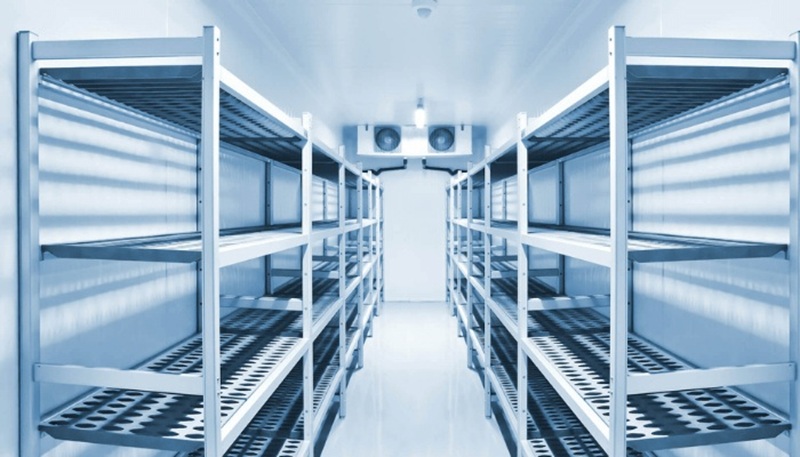
The Federal Government of Nigeria has launched the nationwide distribution of 1,653 solar-powered cold chain units, worth about $11 million, to strengthen the country’s vaccine storage and delivery system.
The new equipment, procured through the support of Gavi, UNICEF, WHO, and other partners, is expected to boost immunization coverage, particularly in remote and underserved communities where electricity supply remains unreliable.
Speaking in Abuja on Wednesday, Dr. Muyi Aina, Executive Director of the National Primary Health Care Development Agency (NPHCDA), said the distribution aligns with President Bola Tinubu’s Renewed Hope Agenda, which prioritizes quality primary healthcare delivery.
Register for Tekedia Mini-MBA edition 20 (June 8 – Sept 5, 2026).
Register for Tekedia AI in Business Masterclass.
Join Tekedia Capital Syndicate and co-invest in great global startups.
Register for Tekedia AI Lab.
He disclosed that the Northwest zone would receive the largest share of the allocation, with 448 units, followed by Northcentral with 308. The Southwest is expected to get 343 units, the South-South 221, the Southeast 205, and the Northeast 128. Altogether, 884 units—representing 53 percent of the total—will be deployed to northern states, while 759, or 47 percent, will go to the south.
“The first batch of 525 units is already warehoused in Abuja, while the rest have landed in-country and are being dispatched. Each unit comes with spare parts, a 10-year maintenance agreement, and temperature monitoring devices to ensure durability,” Aina said.
He explained that the equipment would guarantee reliable vaccine storage across the country, enabling health workers to reach communities previously underserved due to a lack of infrastructure.

UNICEF’s Chief of Health in Nigeria, Dr. Maharajan Muthu, described the investment as a game-changer, stressing that cold chain infrastructure is the backbone of any successful immunization programme.
“This handover includes 1,653 solar direct drive refrigerators, 165 sets of spare parts, temperature monitoring devices, and 30-day temperature recorders, valued at approximately $11 million. This investment will significantly enhance Nigeria’s healthcare infrastructure, enabling outreach to remote communities and ensuring that safe and effective vaccines reach every child, leaving no one behind,” Muthu said.
He noted, however, that while the new cold chain equipment addresses critical gaps, additional efforts are required in areas such as asset registration, logistics tracking, sustainable financing, and routine maintenance. UNICEF, he said, remains committed to working with Nigeria to strengthen these systems.

Representing the World Health Organization (WHO), Dr. Walter Kazadi Mulombo, through his deputy, Dr. Alex Chimbaru, emphasized that the initiative ties into the Immunization Agenda 2030, a global strategy that advocates equitable access to vaccines and sustainable health systems.
“These solar-powered refrigerators will play a vital role in maintaining vaccine quality and safety, especially in remote and energy-challenged communities,” he said, adding that leveraging solar technology not only ensures potency of vaccines but also promotes environmental sustainability.
Why solar-powered cold chain matters
Cold chain technology ensures vaccines remain at stable, safe temperatures from storage to administration. In a country like Nigeria, where electricity supply is unreliable and health facilities in rural areas often operate without power, the adoption of solar-powered refrigerators provides a lifeline. It prevents vaccine spoilage, reduces wastage, and expands access to children in hard-to-reach communities.
Health experts say this investment could be pivotal for Nigeria, which has struggled with low immunization rates and recurring outbreaks of preventable diseases such as measles, polio, and diphtheria. The government aims to bridge health gaps between urban centers and rural communities by deploying solar-powered cold chain units across all states and the FCT.
Backstory: A history of setbacks in vaccine storage and immunization
Nigeria’s immunization system has long battled gaps in cold chain infrastructure. Decades of poor investment in rural healthcare left many primary health centers without reliable electricity or refrigeration, forcing vaccines to be transported in ice boxes that often failed to maintain the required temperature. This led to frequent spoilage, wasted doses, and disrupted immunization campaigns.
During the 1990s and 2000s, Nigeria recorded some of the lowest vaccination rates in the world, with millions of children missing routine immunizations. This weakness became evident in the prolonged struggle to eradicate polio, where storage and delivery breakdowns repeatedly stalled progress. Although Nigeria was declared polio-free in 2020, lapses in routine immunization coverage remain a concern, with outbreaks of preventable diseases like measles and diphtheria still reported in parts of the country.
Efforts to strengthen the system have historically relied heavily on international partners. Past donations of cold chain equipment from UNICEF, Gavi, and WHO often faced sustainability challenges due to poor maintenance and inadequate training of local health workers. Many of those refrigerators broke down within a few years, leaving facilities once again dependent on an unreliable power supply.
It is against this backdrop that the current deployment of solar-powered cold chain units is seen as critical. Unlike conventional equipment, these units are designed to operate independently of the unstable electricity grid, providing a more sustainable solution to Nigeria’s longstanding vaccine storage challenges.
The cold chain expansion is also expected to bolster public confidence in the immunization system, reduce vaccine wastage, and support Nigeria’s broader push to achieve universal health coverage.