

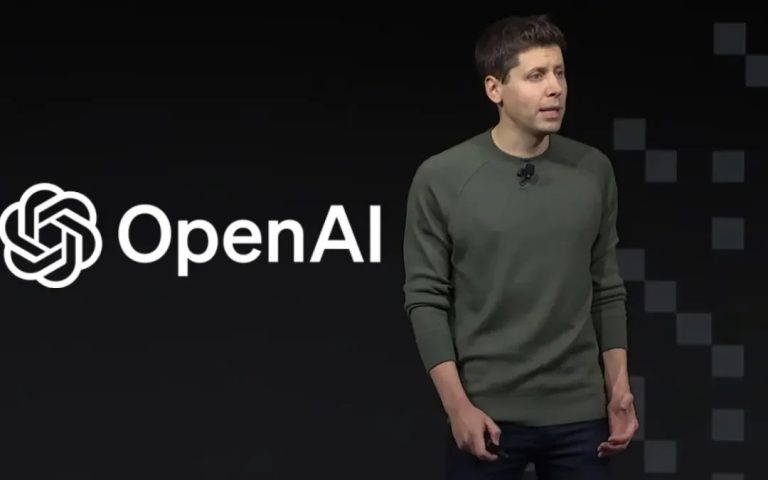
OpenAI is reportedly in the market again, seeking to raise funds through stock that will see its valuation hit new level, according to Bloomberg.
At a potential $500 billion valuation, OpenAI would not only extend its lead as the most highly valued AI startup in history but also surpass the market capitalizations of many long-established public tech firms.
According to people familiar with the talks, OpenAI is preparing a secondary stock sale worth about $6 billion, with current and former employees selling shares to major investors including SoftBank, Dragoneer Investment Group, and Thrive Capital. Thrive is expected to lead the round, though discussions remain ongoing and terms could still change.
Register for Tekedia Mini-MBA edition 20 (June 8 – Sept 5, 2026).
Register for Tekedia AI in Business Masterclass.
Join Tekedia Capital Syndicate and co-invest in great global startups.
Register for Tekedia AI Lab.
The planned sale underscores how rapidly OpenAI’s value has soared in just two years. When ChatGPT launched in November 2022, it quickly became the fastest-growing consumer application in history, drawing hundreds of millions of users and triggering a global race to build generative AI tools. That surge in adoption and enterprise demand catapulted OpenAI from a niche research lab to a multibillion-dollar powerhouse almost overnight.
By March 2025, OpenAI closed a record-setting $40 billion funding round at a $300 billion valuation — the largest capital raise ever by a private technology company. Earlier this month, it followed up with another $8.3 billion injection tied to that same round. Now, with the $6 billion secondary offering under discussion, its valuation would climb to around $500 billion, cementing its dominance in a sector where even rivals like Anthropic, Cohere, and Stability AI trail far behind in valuation and market recognition.
The company’s rise has also left it valued higher than many publicly traded technology players. A $500 billion figure would put OpenAI above legacy giants like Intel, IBM, and SAP, and not far from the trillion-dollar club occupied by Apple, Microsoft, and Nvidia. Analysts say this level of valuation makes OpenAI the single most influential private company in the AI era, giving it an outsized role in shaping how artificial intelligence is developed and deployed globally.

The surge in investor interest coincides with the rollout of OpenAI’s newest model, GPT-5, described as smarter, faster, and more versatile than its predecessors, particularly across writing, coding, and healthcare applications. The launch has drawn significant attention, though it has also sparked some frustration among users upset over losing access to older models like GPT-4o. CEO Sam Altman publicly acknowledged that the company had “underestimated how much some of the things that people like in GPT-4o matter to them, even if GPT-5 performs better in most ways.”
OpenAI has leaned heavily on secondary sales like this one to provide liquidity for employees and early backers without pursuing an IPO. The approach allows the company to keep scaling privately while giving institutional investors, such as SoftBank and Thrive, opportunities to increase their stakes.
For SoftBank’s Masayoshi Son, the deal represents another bold bet on AI after years of uneven performance in its Vision Fund portfolio. Thrive, already one of OpenAI’s largest supporters, has played a central role in past financing rounds, while Dragoneer continues to build its exposure to high-growth AI infrastructure.

Business leaders and investors describe the planned stock sale as a watershed moment in the artificial intelligence sector, one that highlights both the company’s unmatched growth trajectory and Wall Street’s unshaken belief in the future of generative AI.
If completed, the $6 billion sale would not only solidify OpenAI’s commanding valuation lead over other AI startups but also reinforce the view that the company is setting the pace for the entire industry.