
DD
MM
YYYY

PAGES

DD
MM
YYYY

spot_img

PAGES

Home Blog Page 13

Bitcoin and Ethereum Rally Signals New Crypto Market Cycle

0

Bitcoin’s resurgence above the $66,000 mark for the first time since June 15 signals a renewed wave of optimism across the digital asset market.

The move comes after weeks of volatility and cautious sentiment that had dominated cryptocurrency trading. Investors are once again showing confidence in risk assets, driven by improving macroeconomic conditions, increasing institutional participation, and growing demand for digital investment products.

The return of Bitcoin above $66,000 is significant because it demonstrates the resilience of the leading cryptocurrency.

Over the past month, Bitcoin faced pressure from profit-taking activities, concerns surrounding monetary policy, and geopolitical uncertainties. The latest rally suggests that market participants continue to view Bitcoin as a long-term store of value and a key asset in diversified investment portfolios.

Institutional interest remains one of the strongest catalysts behind Bitcoin’s recovery. Since the approval of spot Bitcoin exchange-traded funds (ETFs), traditional investors have gained easier access to cryptocurrency exposure without directly holding digital assets.

These products have attracted billions of dollars in capital and have significantly changed the structure of the crypto market. The increasing integration of digital assets into traditional finance is gradually reducing skepticism and encouraging broader adoption among institutional investors.

While Bitcoin’s rise has captured headlines, Ethereum has also emerged as a major beneficiary of renewed market enthusiasm. In a notable development, Bitmine announced the addition of approximately $14 million worth of Ethereum to its holdings.

This move reflects growing confidence in Ethereum’s long-term prospects, particularly as the network continues to dominate decentralized finance, tokenization initiatives, and smart contract applications.

The decision by Bitmine to increase its Ethereum exposure highlights a broader trend among institutional players. Ethereum is increasingly being viewed not only as a cryptocurrency but also as a foundational infrastructure layer for the future digital economy.

Its ecosystem supports thousands of decentralized applications, stablecoins, tokenized assets, and emerging financial products.

Many investors see Ethereum as a strategic asset capable of benefiting from the continued expansion of blockchain-based services. Perhaps even more noteworthy is the strong performance of spot Ethereum ETFs.

During the latest trading week, spot ETH ETFs led all cryptocurrency investment products in net inflows, surpassing even Bitcoin-focused funds. This development suggests that investor appetite is expanding beyond Bitcoin and that Ethereum is increasingly being recognized as a critical component of institutional crypto portfolios.

The surge in inflows into Ethereum ETFs may also reflect expectations surrounding future network developments and increased usage across the blockchain industry. Tokenization of real-world assets, stablecoin growth, and decentralized financial services continue to rely heavily on Ethereum’s infrastructure.

Consequently, institutional investors may be positioning themselves early to benefit from these long-term trends. The simultaneous rise of Bitcoin and Ethereum demonstrates the growing maturity of the digital asset market.

Rather than competing directly, the two largest cryptocurrencies are increasingly serving complementary roles. Bitcoin continues to function as digital gold and a macroeconomic hedge, while Ethereum is becoming the technological backbone of blockchain innovation.

As capital flows back into the cryptocurrency sector, market sentiment appears to be shifting from caution to renewed optimism. Bitcoin reclaiming $66,000 and Ethereum attracting record ETF inflows indicate that institutional confidence remains strong despite previous market setbacks.

If these trends continue, the coming months could mark another important chapter in the evolution of digital assets, further accelerating mainstream adoption and reinforcing the role of cryptocurrencies within the global financial system.
The Economic and Security Impact of a Temporary US-Iran Ceasefire

0

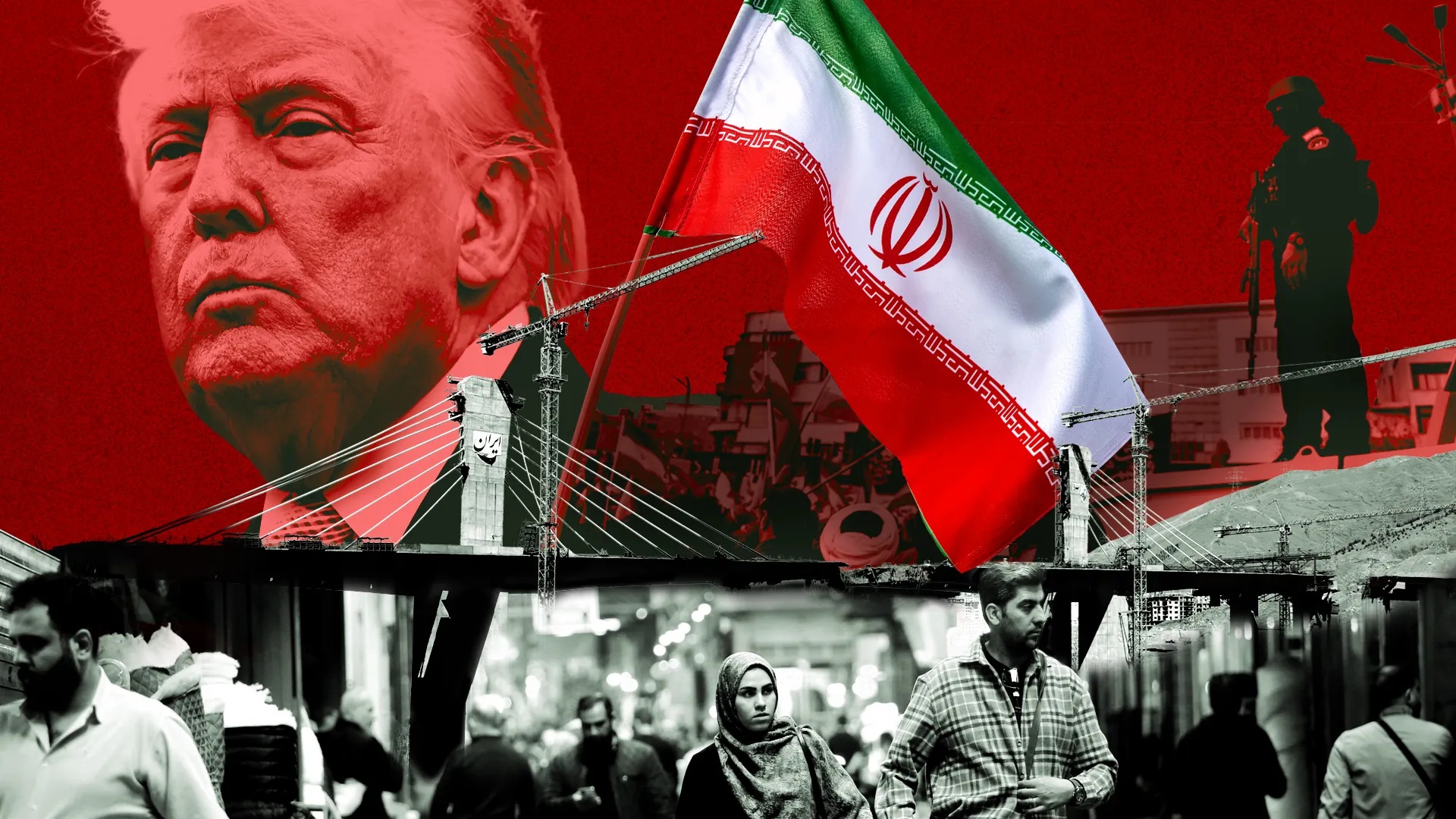
The prospect of a 10-day ceasefire between the United States and Iran has emerged as a significant diplomatic development, offering a rare opportunity to de-escalate one of the world’s most volatile geopolitical confrontations.

Mediators from regional and international powers are reportedly working behind the scenes to establish a temporary halt in hostilities, aiming to create space for dialogue and prevent a broader conflict that could destabilize the Middle East and the global economy.

The tensions between Washington and Tehran have intensified in recent months following military strikes, retaliatory actions, and growing concerns over maritime security in the Persian Gulf and the Strait of Hormuz.

The strategic waterway, through which a significant portion of the world’s oil supply passes, has become a focal point of international concern. Any prolonged military confrontation in this region carries the risk of disrupting global energy markets, triggering inflationary pressures, and increasing uncertainty across financial systems.

A 10-day ceasefire, though temporary, could serve several important purposes. First, it would allow both nations to reassess their military positions and reduce the immediate risk of miscalculation.

History has shown that conflicts often escalate not only because of deliberate actions but also due to misunderstandings, accidental engagements, and the pressure of rapid retaliatory cycles. By creating a short period of calm, diplomats may be able to prevent a dangerous spiral into a larger regional war.

Secondly, the ceasefire could open channels for humanitarian efforts and confidence-building measures. Regional allies and international organizations may use this period to facilitate prisoner exchanges, provide aid to affected populations, and establish frameworks for future negotiations.

Such measures, although modest, often play a crucial role in laying the groundwork for more comprehensive peace discussions.

The involvement of mediators highlights the growing concern among global powers regarding the consequences of continued hostilities.

Nations across Europe, the Gulf region, and Asia have substantial economic and security interests tied to stability in the Middle East. Energy-importing countries are particularly sensitive to disruptions in oil supply, while neighboring states fear that an expanded conflict could spill across borders and threaten regional security architectures.

Financial markets are also closely monitoring the situation. Escalating tensions between the United States and Iran have historically resulted in spikes in oil prices, increased market volatility, and a flight toward safe-haven assets such as gold and government bonds.

Investors are likely to view a successful ceasefire as a positive signal that could temporarily reduce geopolitical risk premiums and stabilize commodity markets.

The challenges facing negotiators remain considerable. Deep-rooted mistrust, conflicting strategic objectives, and domestic political pressures in both countries could undermine the sustainability of any agreement.

A temporary ceasefire does not automatically resolve the underlying issues that have defined U.S.-Iran relations for decades, including disputes over regional influence, security concerns, sanctions, and nuclear ambitions.

Even a brief pause in hostilities would represent an important diplomatic achievement. It would demonstrate that dialogue remains possible despite heightened tensions and could provide a foundation for broader negotiations in the future.

The coming days will therefore be critical in determining whether this proposed 10-day ceasefire becomes merely a short-lived reprieve or the beginning of a more meaningful effort toward reducing one of the world’s most persistent geopolitical rivalries.

As mediators continue their efforts, the international community will be watching closely, hopeful that diplomacy can prevail over escalation and that a temporary ceasefire may pave the way for longer-term regional stability.

Trump Administration Reportedly Moves to Sanction Chinese AI Models As Rivalry Shifts From Chips To Software

0

The Trump administration is signaling a major escalation in the U.S.-China artificial intelligence rivalry, shifting its focus from restricting advanced chips to potentially targeting Chinese AI models themselves if they are found to have been built using stolen American intellectual property.

U.S. Treasury Secretary Scott Bessent said on Tuesday that Washington would examine Chinese open-source AI models for signs of intellectual property theft, warning that the administration could impose sanctions on Chinese AI companies if such practices are established.

“We’ve seen a lot of talk about open source models coming and threatening the large language models in the US,” Bessent said during an interview on Fox Business. “This administration supports open source models, but what we do not support is IP theft. If we see, especially, that overseas models are stealing from our great companies, we have the ability to sanction them because of this theft.”

His remarks, first reported by Bloomberg, come at a pivotal moment in the global AI race, with Chinese developers rapidly closing the gap with U.S. frontier AI companies. The comments also suggest the White House is broadening its strategy for maintaining America’s technological lead beyond export controls on semiconductors to the AI software layer itself.

Since 2022, Washington has relied heavily on export restrictions aimed at limiting China’s access to Nvidia’s most advanced AI chips and semiconductor manufacturing equipment. Those measures were designed to slow China’s ability to train cutting-edge AI models.

However, Chinese companies have responded by optimizing software, developing more efficient AI architectures and building increasingly capable models using domestically available hardware.

The latest wave of Chinese models has surprised many industry observers.

Moonshot AI’s Kimi K3, unveiled last week, has been described by the company as the world’s largest open-weight AI model with 2.8 trillion parameters. Other firms including Alibaba, Z.ai, MiniMax and DeepSeek have also introduced competitive open-weight systems this year, many of which deliver performance approaching leading U.S. proprietary models while costing significantly less to deploy.

Their rapid progress has challenged a long-standing assumption among Western analysts that Chinese AI firms lagged their U.S. counterparts by six months or more. As Chinese models gain adoption among enterprises seeking lower-cost alternatives, pressure has mounted on companies such as OpenAI and Anthropic, whose business models depend on premium-priced proprietary AI services.

At the center of Washington’s concerns is model distillation, a technique that enables developers to transfer some of the capabilities of a larger AI model into a smaller and cheaper system. Major U.S. AI companies have repeatedly lamented that foreign competitors are using distillation to replicate the behavior of their frontier models without bearing the enormous costs of developing them from scratch.

The White House said in April it would work with leading AI developers to combat theft of AI technology, acknowledging growing concern that America’s competitive advantage could erode if its models are copied overseas.

Earlier this week, Axios reported that the Trump administration is considering a broad prohibition on Chinese open-source AI models, although others familiar with policy discussions have disputed that such a sweeping ban is imminent.

If sanctions are ultimately imposed, they could represent the first time Washington has directly targeted AI models rather than the hardware used to train them, opening a new front in the technology rivalry between the world’s two largest economies.

Industry Divided Over What Constitutes Theft

Whether model distillation amounts to intellectual property theft remains one of the most contentious issues in artificial intelligence. Many AI companies argue that copying the behavior of proprietary models without authorization undermines years of expensive research and development.

Others disagree.

Microsoft Chief Executive Satya Nadella recently questioned the industry’s position, arguing that AI companies themselves rely on broad access to publicly available information when training their own systems.

“While the great innovation that comes from model providers having fair use rights to train models on public data is needed, I find it ironic that the status quo is to then turn around and impose restrictive terms on distillation,” Nadella said earlier this month.

Some researchers also argue that distillation alone cannot explain China’s recent advances.

Hugging Face Chief Executive Clem Delangue said China’s success stems primarily from strong domestic research capabilities rather than copying Western systems.

“We know distillation to be a very small factor in the ability to create good models, and it’s a practice that everyone is doing, including companies in the U.S.,” Delangue said on TechCrunch’s Equity podcast.

“If it were easy just to do distillation to get good at building AI models, there would be many other countries, including in the U.S., with much better open source AI. The reality is they have really, really good research teams in China… taking a much more open and collaborative approach to AI than in the U.S.”

However, Bessent’s comments indicate that Washington increasingly sees advanced AI models as strategic assets comparable to advanced semiconductors. That position mirrors Beijing’s own evolving policy. Chinese authorities are reportedly considering tighter export controls on advanced AI technologies and model weights while exploring measures to limit overseas access to China’s most advanced AI systems.

As both governments move to protect their domestic AI champions, the competition is evolving beyond hardware and into control over the software, algorithms and data that underpin next-generation artificial intelligence.

If the United States ultimately sanctions Chinese AI developers over intellectual property concerns, it would mark a significant expansion of the technology conflict, potentially affecting the global adoption of Chinese open-source models and further fragmenting the international AI ecosystem.

Anthropic Wins Court Approval For Landmark $1.5bn Copyright Settlement

0

A U.S. federal judge has granted final approval to Anthropic’s landmark $1.5 billion settlement with a class of authors who accused the artificial intelligence company of unlawfully using their books to train its Claude chatbot, bringing to a close one of the most closely watched copyright disputes in the AI industry and setting an important benchmark for dozens of similar lawsuits against major technology companies.

U.S. District Judge Araceli Martinez-Olguin in San Francisco on Monday approved the settlement, rejecting objections from authors who argued that the payout was insufficient. The agreement is the largest known settlement in a U.S. copyright case and the first major AI copyright lawsuit involving generative AI training to reach a negotiated resolution.

The case has been widely viewed as a bellwether for the legal battles unfolding between copyright holders and AI developers over the use of books, news articles, music and other creative works to train large language models.

Judge William Alsup, who presided over much of the litigation before retiring, had granted preliminary approval to the settlement last September.

“We reached this settlement in 2025, after the court’s landmark ruling that training AI on books is fair use under copyright law, which remains the law today,” Anthropic Deputy General Counsel Aparna Sridhar said in a statement.

“We are pleased that more than 91% of authors and publishers covered by the settlement have claimed their share of the payment, and we’re looking forward to bringing this matter to a close.”

Lead plaintiffs’ attorney Justin Nelson described the agreement as a milestone for copyright enforcement.

“It is the largest known copyright recovery in history. We look forward to making distributions to the Class as promptly as possible,” Nelson said.

The litigation began in 2024, when a group of authors sued Anthropic, alleging the company copied pirated versions of their books without authorization to train Claude, its flagship generative AI model.

Anthropic, which is backed by Amazon and Alphabet, argued that using copyrighted books for AI training constituted fair use, a long-established doctrine in U.S. copyright law permitting limited use of protected works under certain circumstances.

In a landmark ruling last June, Judge Alsup largely agreed with Anthropic’s position, concluding that training AI models on copyrighted books was a transformative use protected under the fair use doctrine. The decision represented one of the most significant judicial victories for AI developers and has become a key legal precedent as courts consider similar claims against companies including OpenAI, Meta, Microsoft, Google and others.

However, Alsup also found that Anthropic infringed copyright by maintaining a digital repository containing more than 7 million pirated books, describing the company’s “central library” as distinct from the AI training process itself because many of the works were retained without necessarily being used to train Claude.

That ruling left Anthropic exposed to potentially enormous statutory damages.

Before the settlement was reached, the case was scheduled to proceed to trial last December to determine damages related to the storage of the pirated books. Because U.S. copyright law allows statutory damages of up to $150,000 per infringed work in cases involving willful infringement, legal analysts estimated Anthropic could theoretically have faced liabilities running into the hundreds of billions of dollars, although actual awards in copyright litigation are typically far lower.

The settlement eliminates that uncertainty while allowing Anthropic to avoid years of additional litigation and potential appeals. The agreement also provides significant compensation to participating authors and publishers without requiring them to prove individual damages.

According to Anthropic, more than 91% of eligible copyright holders have already claimed their share of the settlement fund, reflecting broad participation despite objections from a minority of authors.

Several authors challenged the settlement, arguing that the compensation failed to reflect the scale of Anthropic’s alleged infringement. Others contended that the agreement unfairly excluded certain copyright owners or awarded excessive legal fees to the plaintiffs’ attorneys.

Judge Martinez-Olguin rejected those objections, finding that the settlement represented a reasonable outcome given the litigation risks facing both sides.

The judge wrote that criticisms regarding the settlement amount were “not grounded in a realistic assessment of the overall risks and rewards of a trial.”

She also approved more than $101 million in attorneys’ fees, substantially below the $187.5 million requested by class counsel.

The settlement comes as AI developers face mounting legal challenges over the datasets used to train sophisticated generative AI systems. Publishers, authors, musicians, artists and media organizations have argued that technology companies have built commercially valuable AI products using copyrighted material without obtaining licenses or providing compensation.

Technology companies counter that AI training is fundamentally transformative, does not reproduce the original works for consumers, and therefore qualifies as fair use.

The Anthropic case is particularly significant because it produced one of the first major judicial rulings recognizing AI model training as fair use while simultaneously finding liability for maintaining unauthorized copies of copyrighted works. That distinction is likely to influence ongoing litigation across the United States as courts seek to balance copyright protections with technological innovation.

The settlement does not resolve all of Anthropic’s copyright disputes. Some authors and publishers opted out of the class action and are continuing to pursue separate lawsuits against the company, meaning additional legal battles over AI training practices remain underway.

China Weighs Tighter Export Controls On AI And Semiconductor Technologies As Tech Rivalry With U.S. Intensifies

0

Chinese authorities are considering expanding export controls to cover advanced artificial intelligence and semiconductor technologies, a move that would significantly strengthen Beijing’s oversight of strategic technologies as competition with the United States increasingly extends beyond hardware to AI models, algorithms and chip design.

According to a Financial Times report on Tuesday, regulators are consulting leading Chinese technology companies on a range of potential restrictions aimed at preventing advanced domestic AI capabilities and semiconductor intellectual property from flowing overseas.

The discussions show Beijing now sees frontier AI technologies as strategic national assets, mirroring Washington’s restrictive approach to advanced chips, AI models and semiconductor manufacturing equipment. The reported measures would mark another escalation in the global technology rivalry, with both the United States and China moving to limit the international transfer of technologies viewed as critical to national security and economic competitiveness.

The report follows Reuters’ exclusive reporting earlier this month that Chinese authorities had convened meetings with major technology companies to discuss restricting overseas access to China’s most advanced AI models, including next-generation systems that have yet to be released publicly.

Those discussions highlighted growing concerns within Beijing that capable Chinese AI models could strengthen foreign competitors or be incorporated into overseas AI ecosystems. Rather than focusing solely on hardware exports, regulators are now examining ways to control the movement of AI capabilities themselves, including model parameters, training data and underlying technologies.

The latest consultations suggest China is developing a comprehensive export-control framework covering both physical semiconductor technologies and intangible AI assets.

According to the Financial Times, China’s Ministry of Commerce has been consulting AI developers including Alibaba, ByteDance and Zhipu regarding restrictions on transferring sensitive AI training data outside China.

Officials are also reportedly evaluating whether companies should be prevented from allowing foreign users to download model weights, the numerical parameters that determine how AI systems perform after training.

Model weights are regarded as strategically valuable because they enable developers to reproduce and fine-tune sophisticated AI systems without repeating the expensive training process. Restricting access to those weights would represent a significant shift toward tighter government oversight of China’s open-weight AI ecosystem, which has expanded rapidly over the past year through companies including Moonshot AI, Z.ai, MiniMax and Alibaba.

The discussions come as Chinese firms have narrowed the performance gap with leading U.S. AI developers by releasing capable open-weight models at substantially lower operating costs.

Chip Design Exports May Also Face New Controls

Beyond artificial intelligence, regulators are reportedly considering measures that would restrict overseas production of advanced semiconductors designed by Chinese companies. The proposals could prevent foreign foundries, including Taiwan Semiconductor Manufacturing Co. (TSMC) and Qualcomm’s manufacturing partners, from fabricating cutting-edge chips based on designs developed by Chinese firms such as Huawei, Alibaba and ByteDance.

Such restrictions would represent a notable expansion of China’s export-control regime by focusing not only on manufacturing equipment and materials but also on semiconductor intellectual property. The move could complicate global semiconductor supply chains by limiting where Chinese-designed chips can be manufactured, particularly as U.S. export controls have already reduced Chinese access to the world’s most advanced fabrication technologies.

Potential Inclusion in Export-Control Catalogue

According to the report, the proposals could eventually be incorporated into the next revision of China’s catalogue of technologies that are prohibited or restricted from export.

That catalogue serves as the legal foundation for Beijing’s export-control regime and has increasingly been used to protect technologies viewed as strategically important. Officials are reportedly gathering feedback from industry participants before determining which technologies should ultimately be included.

The report also said regulators are considering restrictions on overseas acquisitions involving strategic technologies, including emerging areas such as agentic AI, where autonomous software systems perform complex tasks with limited human intervention.

The reported measures underscore how the technology competition between China and the United States has broadened significantly. Initially centered on semiconductor manufacturing equipment and advanced processors, the rivalry now encompasses AI models, algorithms, computing infrastructure, critical minerals and intellectual property.

Washington has imposed stringent restrictions on exports of advanced AI chips, semiconductor equipment and related technologies to China, while tightening rules designed to prevent Chinese entities from accessing advanced computing power through third countries. China has responded by accelerating domestic semiconductor development, expanding export controls on critical minerals including gallium, germanium and rare earth elements, and promoting indigenous AI ecosystems built around domestic hardware such as Huawei’s Ascend processors.

The latest proposals suggest Beijing is now moving toward a more comprehensive strategy that treats advanced AI systems and semiconductor designs as strategic technologies warranting export restrictions comparable to those already applied to critical minerals and other sensitive technologies.

The new controls, if implemented, are expected to further fragment global technology supply chains and reinforce the emergence of separate AI and semiconductor ecosystems led by the United States and China.